
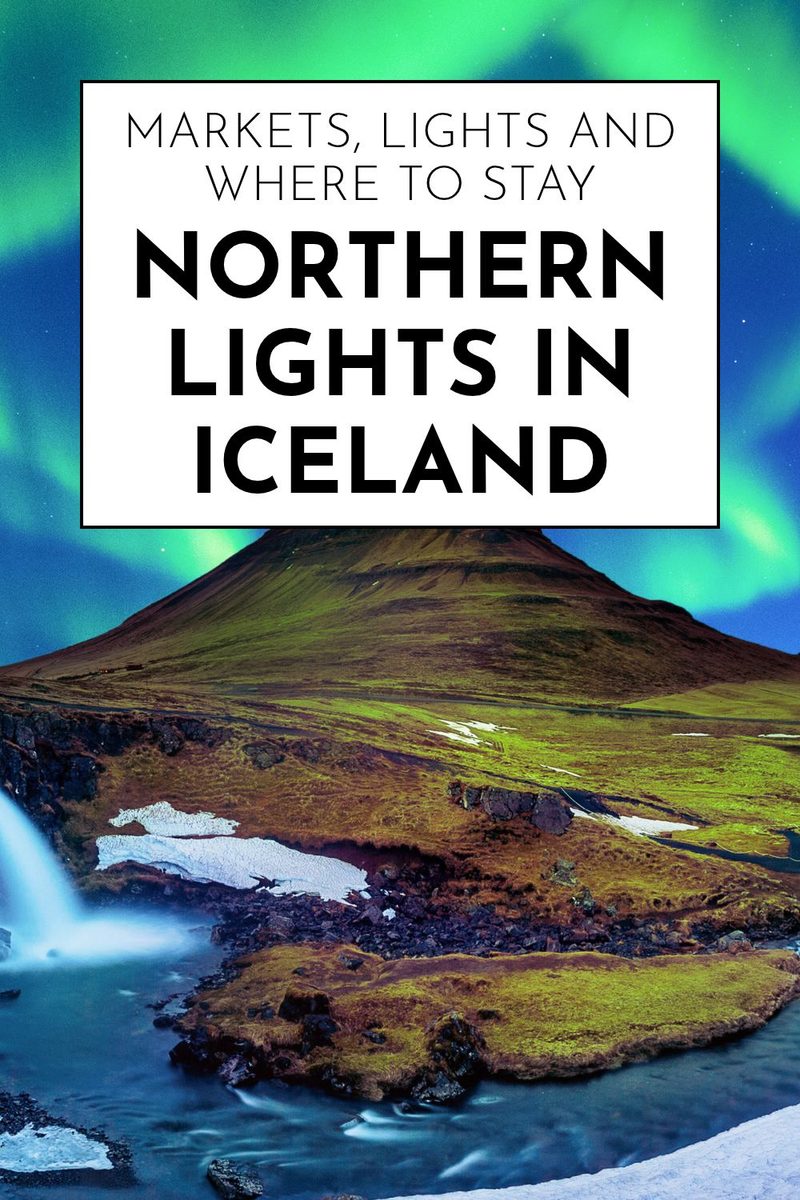
Iceland is the easiest place in Europe to see the northern lights, and the hardest to plan for. Nobody can promise a clear sky. What you can control is how many nights you give the sky, where you sleep, and whether you check the forecast before you go out. Here is how to set up a winter trip around the lights, with the times and prices we could confirm for 2026.
When is the best time to see the northern lights in Iceland?
Late September to mid-April, with the best odds from November to February. The lights need real darkness, and from late April to early August the nights stay too bright to see anything. Most sources put the season from late August to mid-April, but the reliably dark part runs from late September to late March.
Winter gives you the longest nights. Iceland has no true polar night, so even in midwinter you get a few hours of daylight for sightseeing. The shoulder months are the compromise. Late September and March give you longer days and still enough dark for a real show. If you can pick only one window, we’d pick late February or early March. The nights are still long, the days are noticeably longer than in January, and the cold is often a little easier to live with.
Tip: Don’t book one night and hope. Plan at least three, and four or five if you can. Clouds decide most nights, and a clear sky often shows up after two grey ones.
How dark does it need to be?
Dark enough for your eyes to adjust, which matters more than the calendar date. Stand in the middle of Reykjavík’s streetlights for ten minutes and you may see nothing but a faint grey haze. The same sky, twenty minutes’ drive out of town, can show a green band you can photograph. The lights are most often seen between about 10 pm and 1 am, though they can appear a few hours before or after midnight, so don’t call it an early night too soon.
Moonlight counts too. A bright full moon lifts the sky enough to hide the fainter displays, so on a near-full moon, expect a weaker show and pick your dark spot with more care. The best nights are often the ones with a thin moon or none at all, and that’s worth checking alongside the forecast when you plan your dates.
Where should you watch from?
Reykjavík: easy, but you’ll be fighting the city
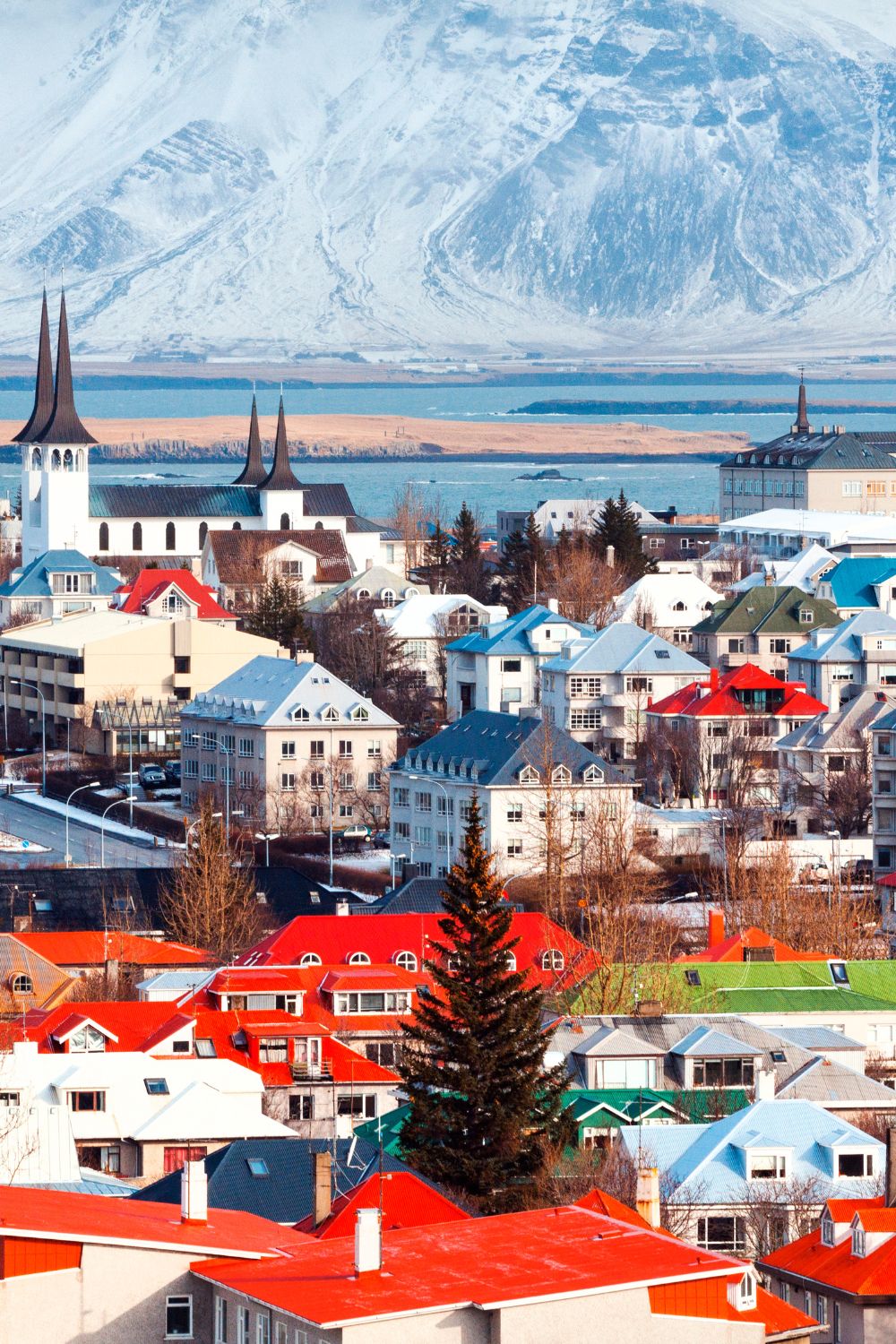
Reykjavík is where most people land and where the easiest tours leave from. It’s also the weakest place to watch from on your own. Harbour and street lights wash out the faint shows, and the sky is slower to clear over the town. Use the city as a base for the first and last nights, and for a boat trip.
The Elding northern lights cruise leaves from the Old Harbour and takes about two hours. It gets you onto open water, away from the worst of the glow. Resellers quote roughly 12,990 to 14,500 ISK for the trip (2026, about US$94 to US$105, exchange rate varies). Those figures don’t agree with each other, and we couldn’t find Elding’s own price, so check elding.is before you book. Pick a tour with a free rebook or refund if the forecast turns, because a sky on the night can decide the whole trip.
Out of town: darker skies, more driving
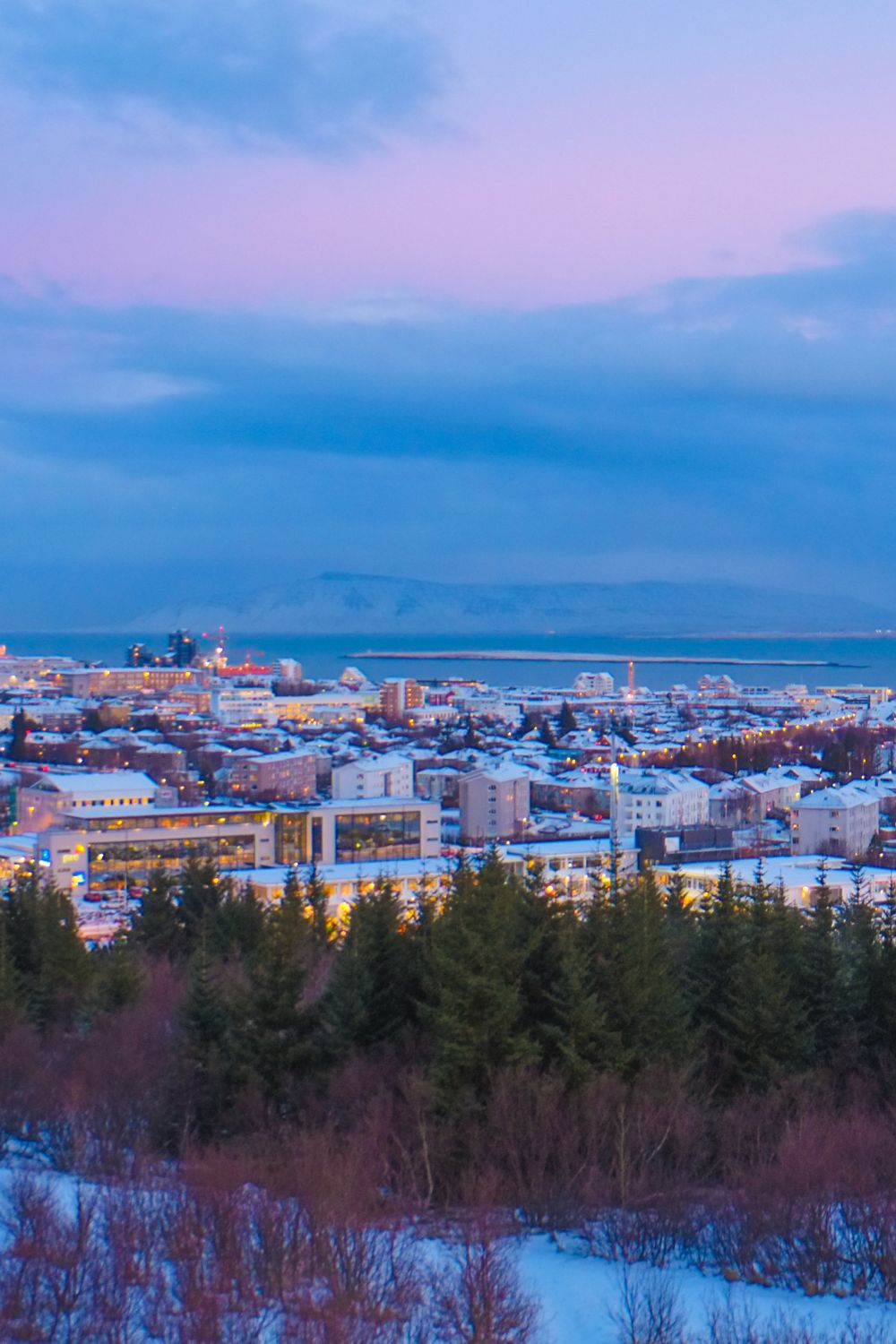
Once you’re past the Reykjavík glow, you can pull into a quiet lay-by and switch off the car lights. The risk is the road, not the sky. Pull fully off the tarmac, leave the hazard lights on, and never stand where a car coming round a bend can’t see you. Winter roads have ice, no shoulder and sheep, sometimes all in one bend.
For a second or third night, we’d look at the Snæfellsnes peninsula or the south coast. Both are a manageable drive from town and both put you well away from city light. Choose a guesthouse with a window that faces away from the nearest village, and ask the host whether the lights are visible from the garden. Hosts know their own skies better than any app does.
How do you read the aurora forecast?
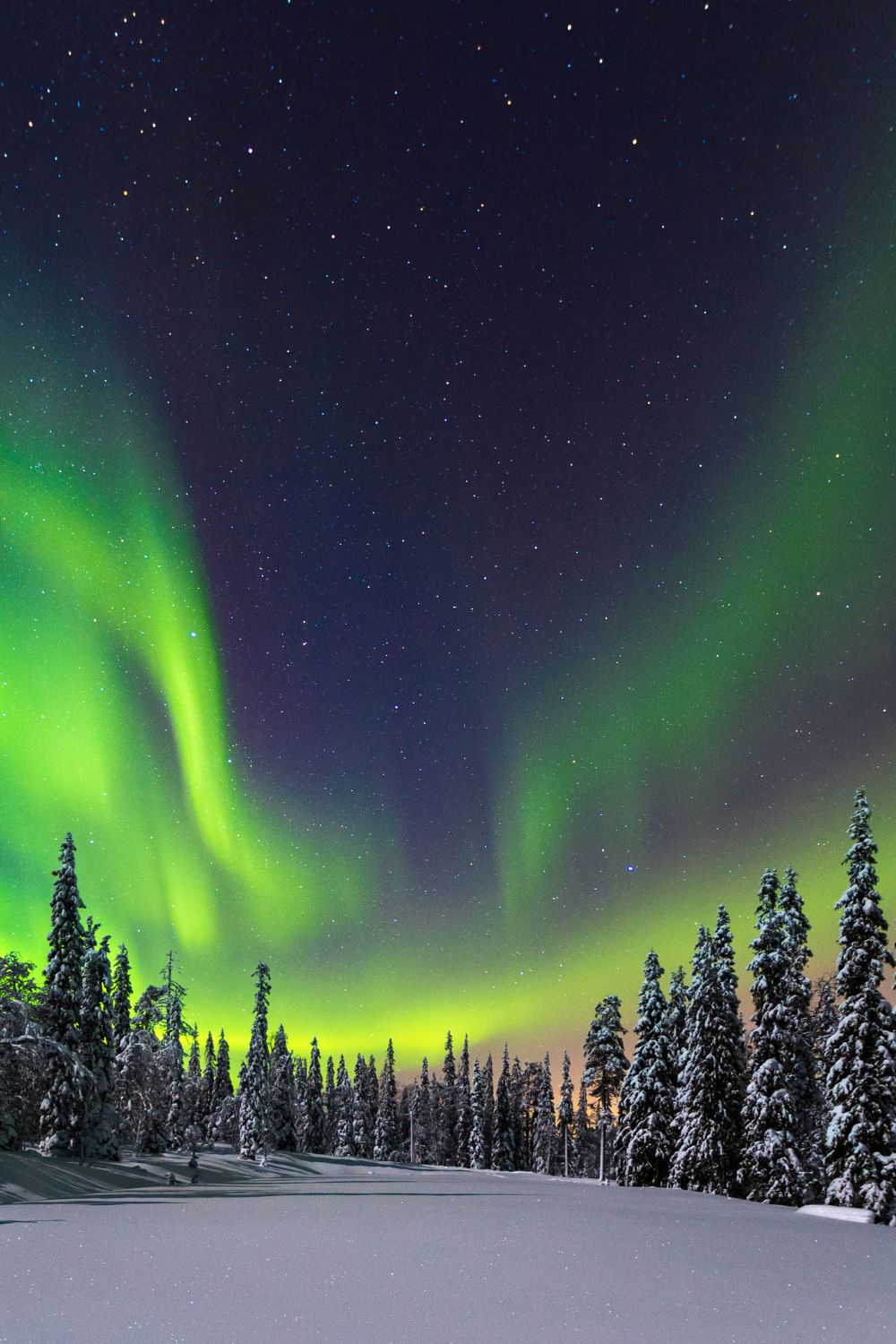
Start with the Icelandic Met Office’s aurora forecast on vedur.is. It shows geomagnetic activity as a Kp value, and a separate cloud forecast splits the cloud into low, middle and high layers. Thin high cloud can still let the aurora through, so don’t write off a night because the sky looks pale from your window. Heavy low cloud is the one that usually ends the night.
The Kp number is a rough guide, not a promise. Travellers have skipped a night on a Kp of 1 and then missed a good show, so treat the number as a reason to step outside, not a reason to stay in. Third-party apps such as Aurora Forecast & Alerts can send push notifications; we couldn’t confirm whether the Met Office sends its own alerts, so check vedur.is directly before you assume.
Tip: Check the cloud forecast before the Kp. A clear sky with a low Kp often beats a high Kp under cloud.
How do you get from Keflavík to Reykjavík?
Most international flights land at Keflavík International Airport, about 45 minutes from the city centre. The Flybus coach runs to the BSÍ bus terminal for about 3,999 ISK one way for adults (2026, about US$29), with children aged 6 to 15 at about 2,000 ISK, according to tour-seller listings. Check flybus.is before you travel, because the fare is not confirmed on the operator’s own site. Departures are timed to flight arrivals, so allow extra time in winter when the road is slower.
A cheaper public bus, Route 55, costs about 2,400 ISK in one listing, but it’s slower and means changing. For a late arrival with heavy bags, we’d take the Flybus or a taxi.
Tip: If you’re picking up a rental car at the airport, drive straight to your first stop while it’s still light. Winter nights arrive early, and an unfamiliar road in the dark is the wrong first drive.
How many nights do you need?
Three nights is the least that gives you a fair chance. Four or five is better, and it lets you move if the forecast turns. Split the nights so at least one is out of town.
| Nights | What the trip looks like | Our take |
|---|---|---|
| 2 | One night in Reykjavík with a boat trip, one night out of town | Only worth it on a clear forecast |
| 3 to 4 | One night in town, two or three out of town with a car | Our pick for a first trip |
| 5 or more | Room for a weather day, a second region and daylight sightseeing | Best if the budget allows |
What does a five-night plan look like?
Five nights is the length we’d pick if you want the lights to be the point of the trip rather than a bonus. The plan below works from Reykjavík, but you can flip it around if you land in the north.
The first night is for landing and sleeping. Take the Flybus in, check into a hotel near the centre, and walk down to the harbour in the evening if you have the energy. Don’t plan a long night out, because the first drive is usually the tiring one.
The second day is the one for daylight. Use the short hours for the things that need light: a swimming pool, a coast road, a waterfall you can reach from a car park. Be back in the car before the early dusk sets in. That evening you can drive out of town to your first dark spot, which we’d pick based on the forecast that afternoon.
The third and fourth nights are where the trip earns its name. Stay out of town in a guesthouse with a view away from the village, and go out after dinner whenever the cloud forecast shows a gap. If one night is clear, use the next morning to rest. If both are grey, drive somewhere with a different sky. Snæfellsnes and the south coast each give you a different horizon, so a change of place is a real option.
The last night is a buffer. Try to keep it free, so a cancelled flight, a closed road or a weak forecast doesn’t cost you your only chance.
Tip: Keep a spare night in your plan. Winter trips tend to go wrong in one of two ways: a plan with no slack at all, so one grey week wipes out the lights, or a night that was booked for a sky that never cleared.
What does it cost?
- Airport transfer: Flybus about 3,999 ISK one way (about US$29, 2026). Route 55 about 2,400 ISK (2026, one listing).
- Boat trip: the Elding cruise, about 2 hours, resellers quote 12,990 to 14,500 ISK (about US$94 to US$105, 2026).
- Car: we’d hire a 4×4 or all-wheel-drive car for November and later. Rates change by the week, so compare quotes for your exact dates. We didn’t check 2026 rental prices.
- Beds: book early. Guesthouses outside Reykjavík fill quickly in winter, and we didn’t verify 2026 room rates for this post.
Most of the money goes on the car and the bed. The lights themselves are free, which is the best thing to remember when a cruise seems expensive.
What should you wear?
Dress for wind more than cold. Iceland’s winter air is often mild for the latitude, but gusts can knock you off your feet at a viewpoint. Wear thermal layers under a windproof outer shell, a warm hat that covers your ears, and gloves you can use a phone in, because you’ll be reaching for the camera every few minutes. Waterproof boots with grip matter more than a heavy coat. Ice on pavements and car parks is common from November on.
Is it safe to drive in winter?
Yes, if you prepare. Winter tyres are mandatory, and a 4×4 or all-wheel-drive car is the sensible choice for November. The F-roads, the interior mountain tracks, are closed for winter, usually from about mid-October until late spring or summer, and it is illegal to drive a closed road. Some main roads and access roads close without notice, so check road.is every morning before you set off.
Tip: Make road.is your first bookmark on the trip. Check it each morning, and again before any drive after dark.
We’d also keep a flexible plan. Pick one daytime stop per day, such as a swimming pool, a waterfall or a coast road, so a bad night doesn’t leave you with nothing to do. Then give the sky the dark hours, and go out when the forecast looks right.





Leave a Reply