
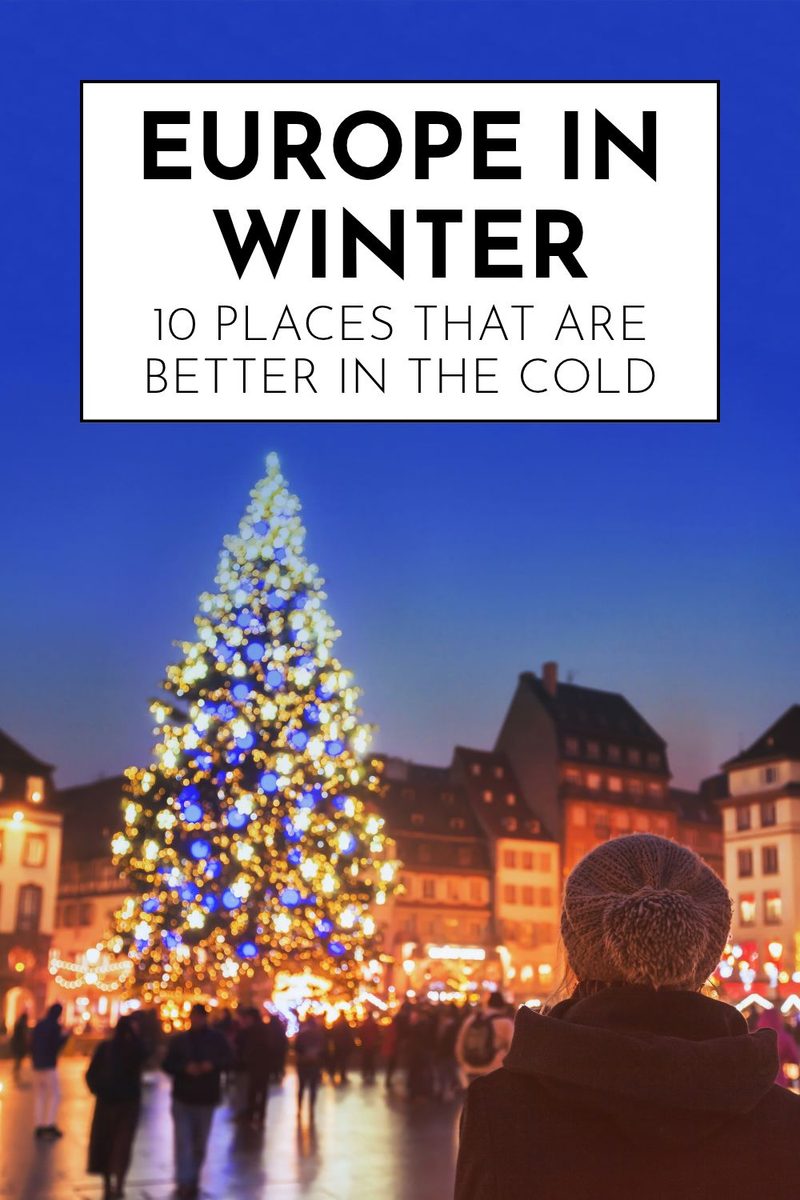
Blue light at noon in Tromsø. Steam rising off a pool in Budapest while snow lands on your head. Most people save Europe for summer, and that’s exactly why winter works: shorter lines, lower hotel prices, and a handful of places that only make sense when it’s cold. Our favorites are Tromsø, Zermatt, Hallstatt, Budapest and Kraków. Here’s how to plan each one for winter 2026–27.
If you’re only looking at December, our where to go in December guide covers beaches as well as snow.
The 10 at a glance
| Place | Best for | Best months | Days |
|---|---|---|---|
| Tromsø, Norway | Northern lights, polar night | Late Nov – Mar | 3–4 |
| Swedish Lapland | Icehotel, dog sledding | Dec – Mar | 3–4 |
| Zermatt, Switzerland | Skiing, the Matterhorn | Dec – Apr | 3–5 |
| Val Gardena, Italy | Skiing, the Sella Ronda | Dec – Mar | 4–6 |
| Hallstatt, Austria | A quiet lake village | Dec – early Jan | 1–2 |
| Füssen and Neuschwanstein, Germany | A castle in snow | Dec – Feb | 1–2 |
| Budapest, Hungary | Thermal baths | Dec – Feb | 3 |
| Kraków, Poland | Markets on a budget | Late Nov – Dec | 3 |
| Edinburgh, Scotland | Hogmanay | Late Dec | 3 |
| Venice, Italy | Fog, quiet canals, Carnival | Jan – Feb | 2–3 |
01Tromsø, NorwayNorthern Lights Over a Harbor Town
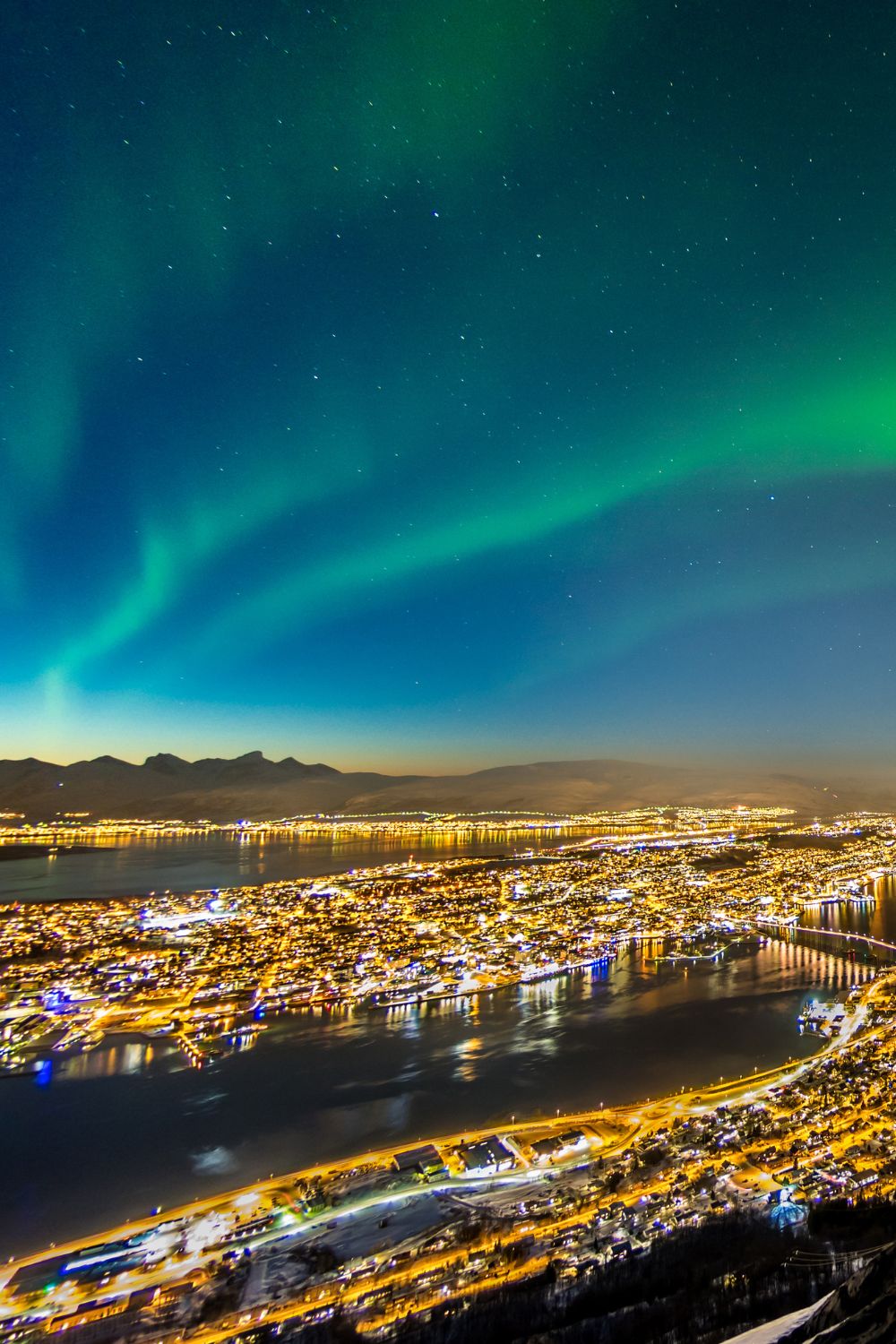
Tromsø sits about 350 km north of the Arctic Circle, right under the band where the aurora shows up most often. From about November 27 to January 15 the sun doesn’t rise at all. That sounds grim. It isn’t: you get a few hours of deep blue twilight around midday, and the town keeps its lights on and its cafés full.
Aurora season runs from roughly September to early April, and the darkest months give you the most hours to look. Clouds are the real problem on the coast, which is why we’d book a chase tour with a guide who drives inland toward clearer skies (some go as far as Finland on a bad night) rather than waiting in town.
The Fjellheisen cable car lifts you above the city for the view across the fjord. The official site lists a return at 595 NOK (about US$57, 2026), and both stations are being rebuilt as “Fjellheisen 2.0”, so check it’s running before you go up.
Tip: hold off on booking a tour until you’ve seen the forecast for your first night. Most operators run every evening, and a clear night beats a planned one.
Getting there: direct flights from Oslo take about two hours.
02Swedish LaplandSleeping at the Icehotel
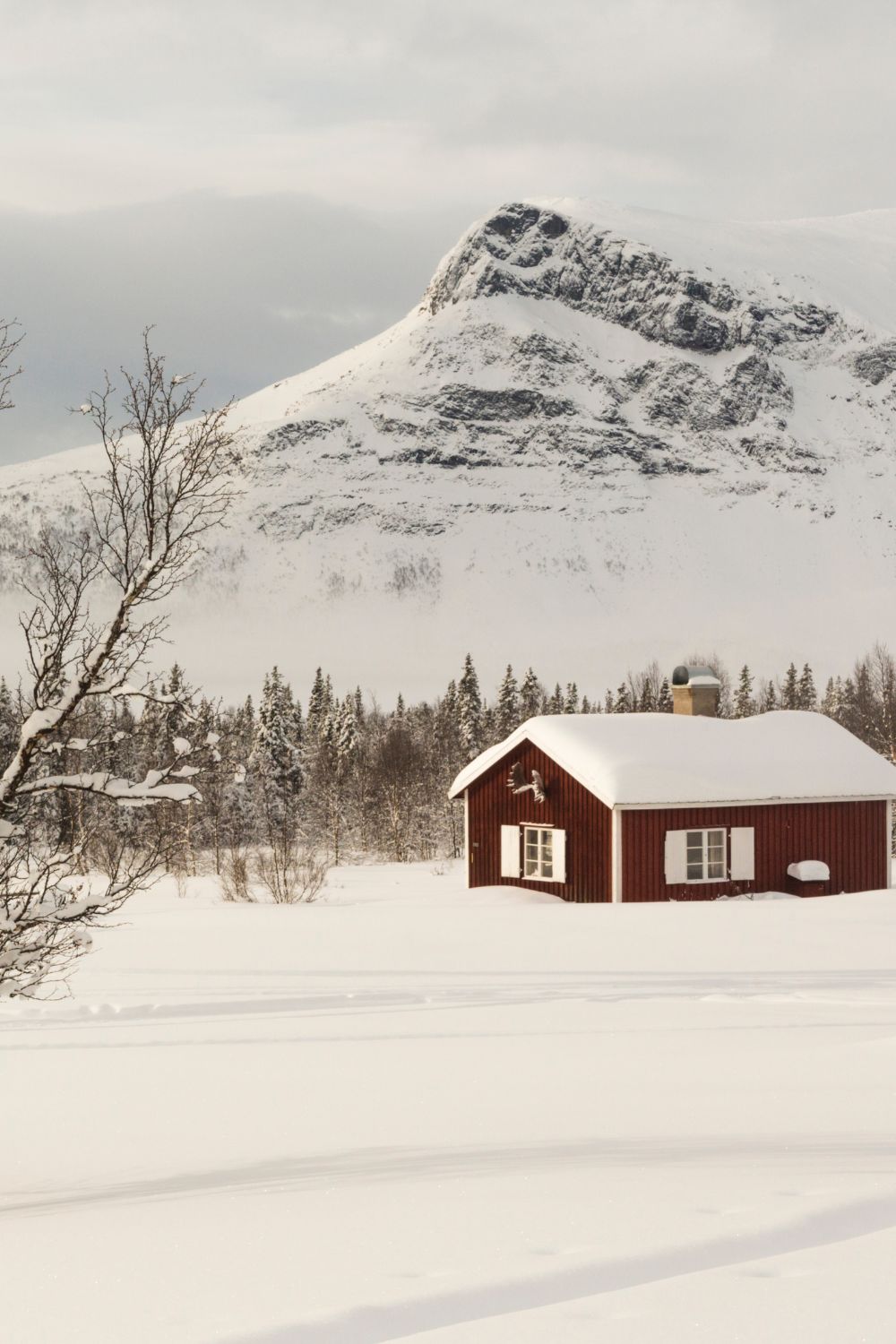
Every winter, a hotel is cut from frozen Torne River water in the village of Jukkasjärvi, and every spring it melts back into the river. The 37th edition is set to open on Friday, December 11, 2026. Artists design the suites, so no two rooms look alike, and the bedrooms hold at around minus 5°C. You sleep in a thermal bag on reindeer skins, warmer than it sounds.
Honestly, one night in the ice is enough for most people. The usual plan is one cold night and the rest in the heated rooms, with days spent dog sledding, snowmobiling or walking out onto the frozen river. Prices for 2026–27 nights weren’t published when we checked, and the opening offer (SEK 25,995 per person, about US$2,700) had already sold out.
Getting there: Kiruna Airport is about 15 minutes’ drive from the hotel. Or take the night train from Stockholm, about 15 to 18 hours, which is half the fun.
03Zermatt, SwitzerlandThe Matterhorn Without the Summer Crowds
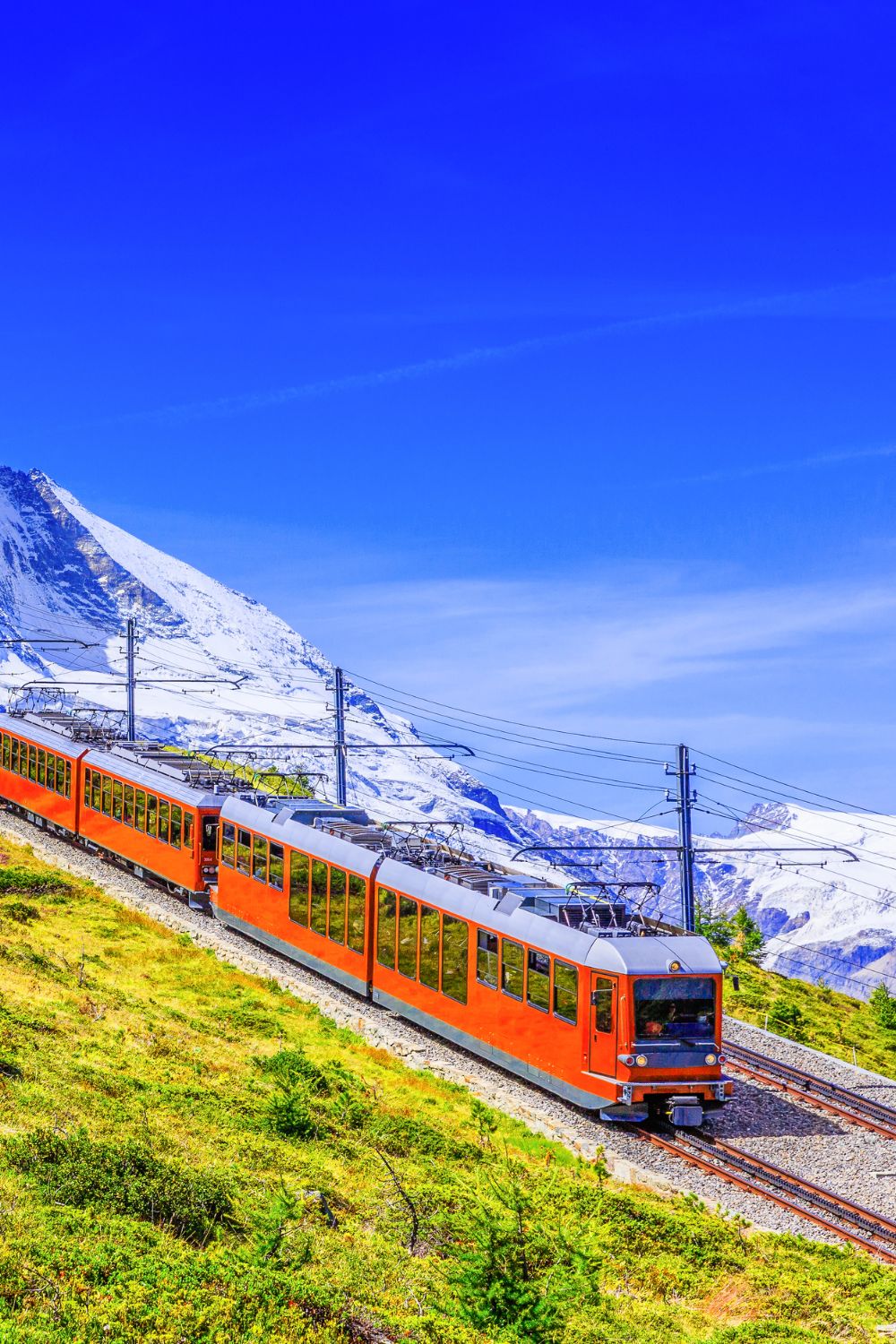
Is Zermatt better in winter? For most people, yes. The town is car-free, so you arrive by train and walk through snowy lanes of wooden chalets with the Matterhorn standing over the end of the street. In summer the same lanes fill with tour groups. In winter you share them mostly with skiers clomping back from the lifts.
You don’t need to ski to enjoy it. The Matterhorn Glacier Paradise lift runs all year to a viewing platform at 3,883 meters, and the 2026–27 price list puts a return from Zermatt at roughly CHF 104 to 132 (about US$130 to 165), depending on the date. Lower lifts to Sunnegga and Gornergrat give you the classic mountain view for less.
The caveat is cost. Zermatt is one of the most expensive towns in the Alps, so budget more for meals here than anywhere else on this list.
Getting there: drivers park in Täsch and take the shuttle train in. The Glacier Express runs between Zermatt and St. Moritz in about eight hours; a 2026 second-class ticket costs CHF 159 (about US$200) plus a required seat reservation.
04Val Gardena, ItalyThe Best-Value Skiing in the Alps
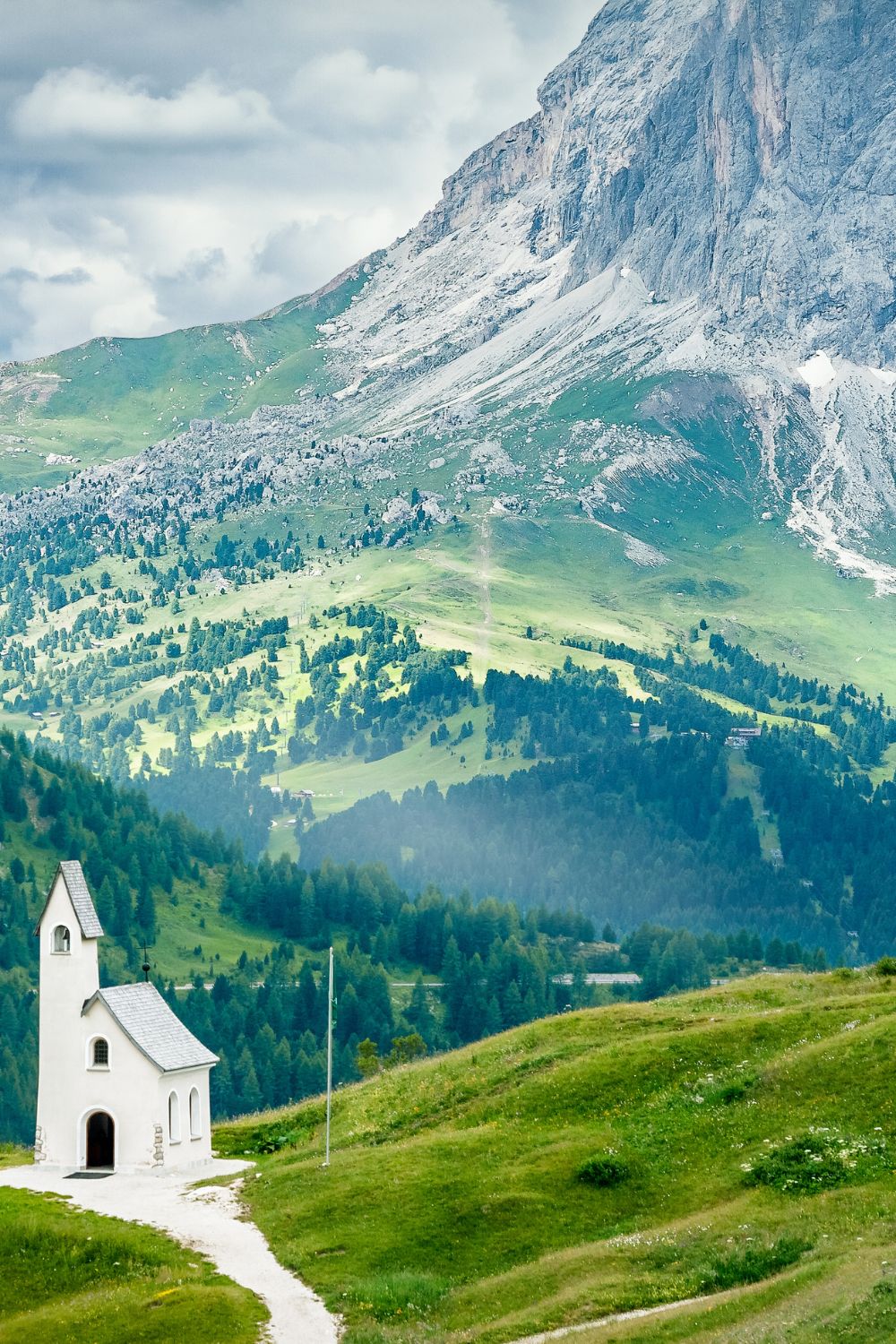
The Dolomites look like nowhere else in the Alps: pale limestone towers that turn pink at sunset. Val Gardena, with the villages of Ortisei, Santa Cristina and Selva, is a good base because it sits on the Sella Ronda, a loop of about 40 km of linked runs around the Sella massif that you can ski in a day.
The Dolomiti Superski pass covers twelve ski areas on one card. The 2026–27 season runs from November 28, 2026 to May 2, 2027, and an adult day pass in high season costs €89 (about US$103, 2026). That’s still less than most big Swiss resorts.
Food is a big part of the appeal. Mountain huts serve South Tyrolean dishes like canederli (bread dumplings) and apple strudel, and the bill tends to be fair.
Tip: early December is quieter and often comes with deals, like four nights for the price of three, under the Dolomiti Superpremière offer.
05Hallstatt, AustriaThe Lake Village After the Tour Buses Leave
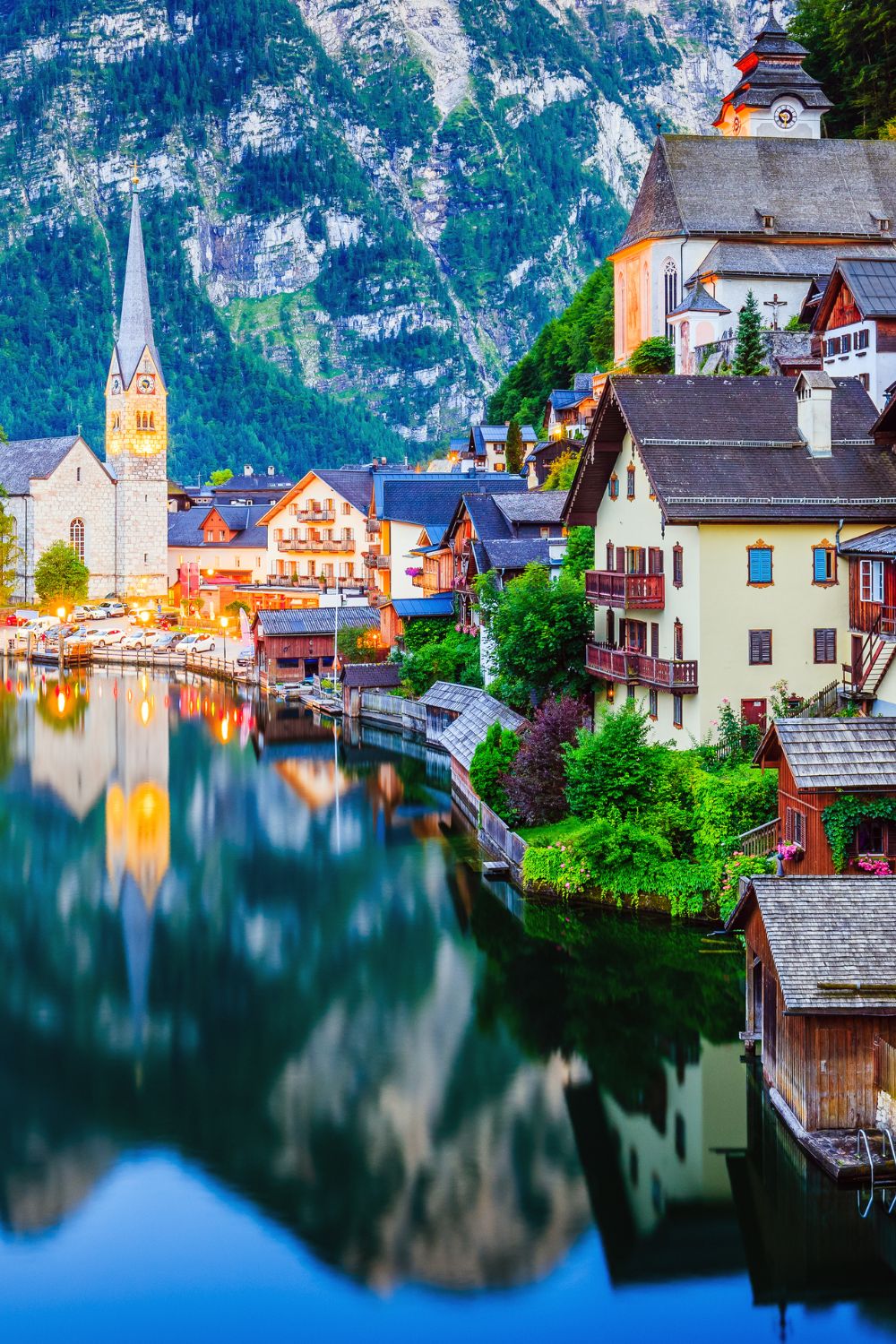
Hallstatt is the lake village with pastel houses, a church spire and mountains rising straight out of the water. In summer it’s so crowded that the town has fought back against day-trippers. Come in December or January and you may have the lakeshore nearly to yourself at 8 am, with snow on the roofs and wood smoke in the air.
There’s more to do than take the photo. The salt mine above town reopened on August 29, 2026 with a new funicular, and a combo ticket for the mine and the ride costs €49 (about US$57, 2026). Winter hours run until January 6, 2027, from 9 am to 4:30 pm for the last ride down. At the top, the Skywalk platform hangs out over the village.
Fair warning: short days and closed shops make it a one- or two-night stop, not a week.
Getting there: the train stops at Hallstatt station on the far side of the lake, and a small ferry crosses to the village.
06Füssen and Neuschwanstein, GermanyA Fairy-Tale Castle in Snow
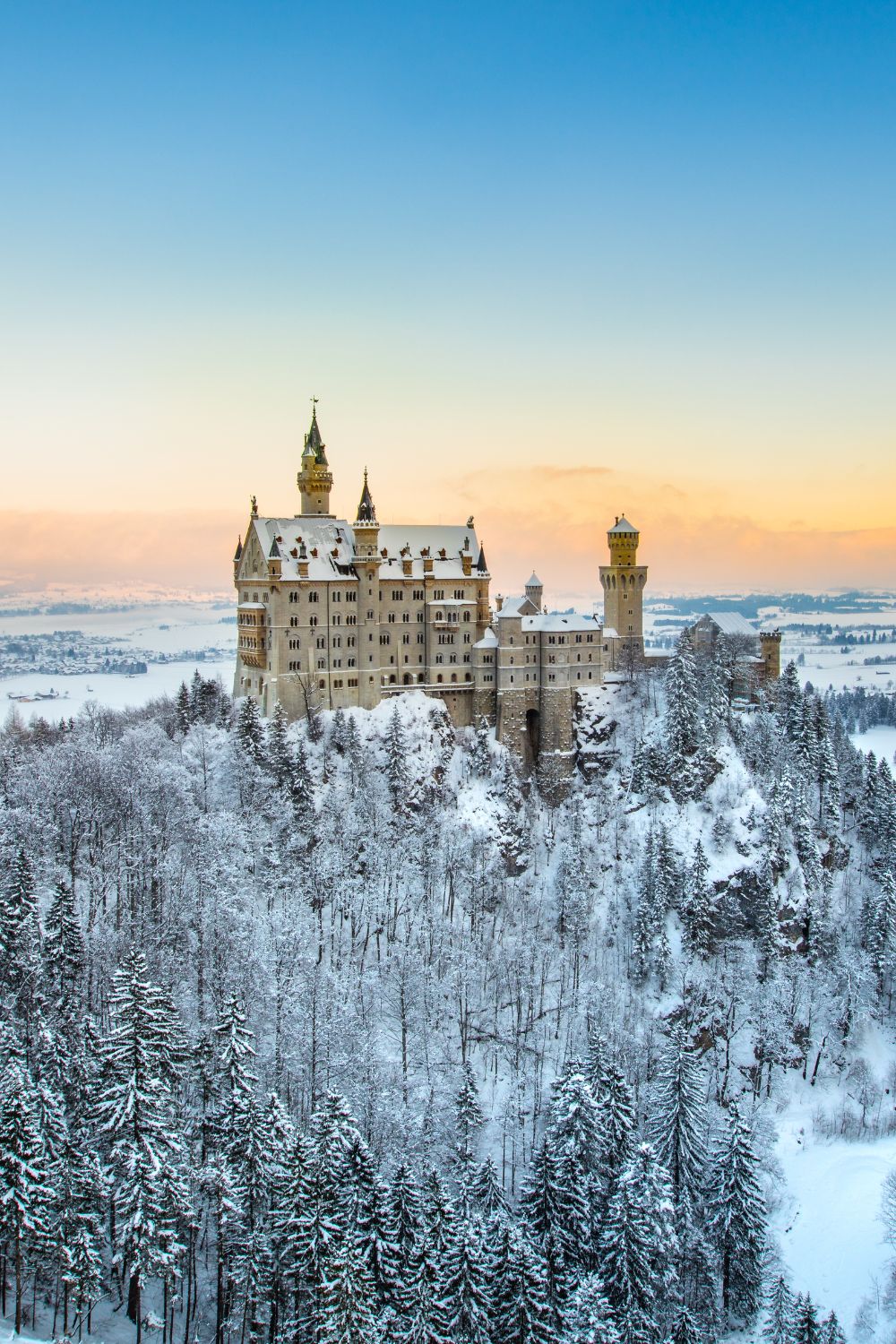
You’ve seen Neuschwanstein, even if you don’t know the name. It’s the white castle on a rock above the Bavarian forest. Under snow it looks even more unreal, and the ticket lines are much shorter than in July.
From October 16, 2026, winter tours run daily from 10 am to 4 pm. A ticket costs €21 (about US$24, 2026), plus €2.50 if you book online, and you should, because tours are timed and do sell out. The castle is closed on December 24, 25 and 31 and on January 1.
The steep walk up takes about 30 to 40 minutes. In winter the Marienbrücke bridge, where the famous photo is taken, is often closed for ice, so we’d plan on the view from the road and be happy if the bridge is open.
Stay in Füssen, a small old town with warm Bavarian beer halls, rather than doing it as a rushed day trip from Munich.
07Budapest, HungaryHot Water, Cold Air
Sitting in 38°C water while the air around you is below freezing is the reason to come to Budapest in winter. The Széchenyi Baths, in City Park, have big outdoor pools that steam like a kettle on a cold morning, and locals play chess on floating boards.
A locker ticket costs about 13,200 HUF on weekdays and 14,800 HUF on weekends (about US$40 and $45, 2026). Go early or late in the day. Midday on a Saturday is packed.
A note if you’ve read older guides: the Gellért Baths, the Art Nouveau one in all the photos, closed for renovation on October 1, 2025 and isn’t expected to reopen until around 2028.
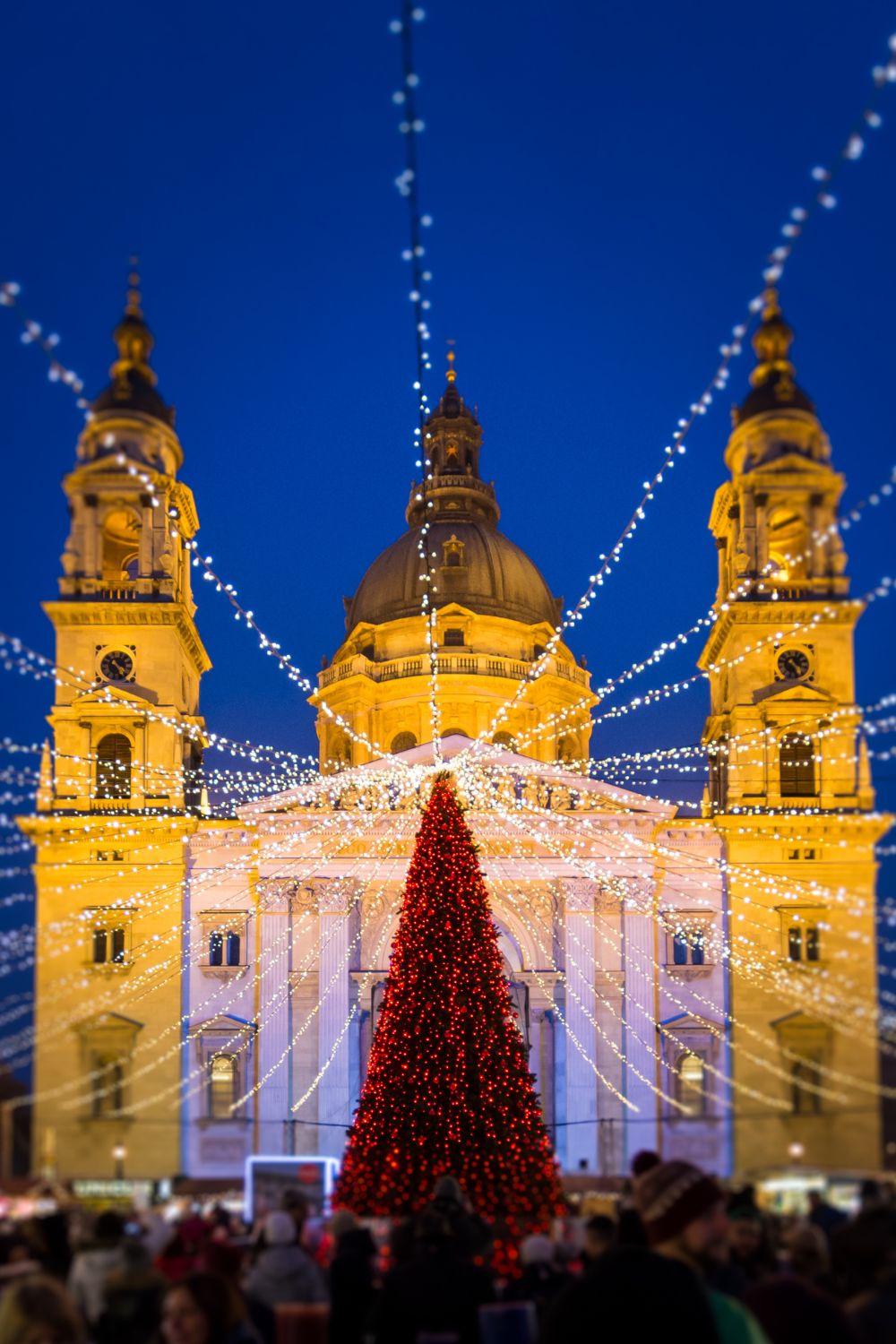
Budapest is also cheaper than Vienna or Prague for food and hotels, and the Christmas market in front of St. Stephen’s Basilica is one of the best-looking in the region.
Tip: the city’s thermal water is warm year-round, but the outdoor pools feel best when it’s snowing. Check the forecast and save your bath day for the worst weather.
08Kraków, PolandChristmas on a Budget
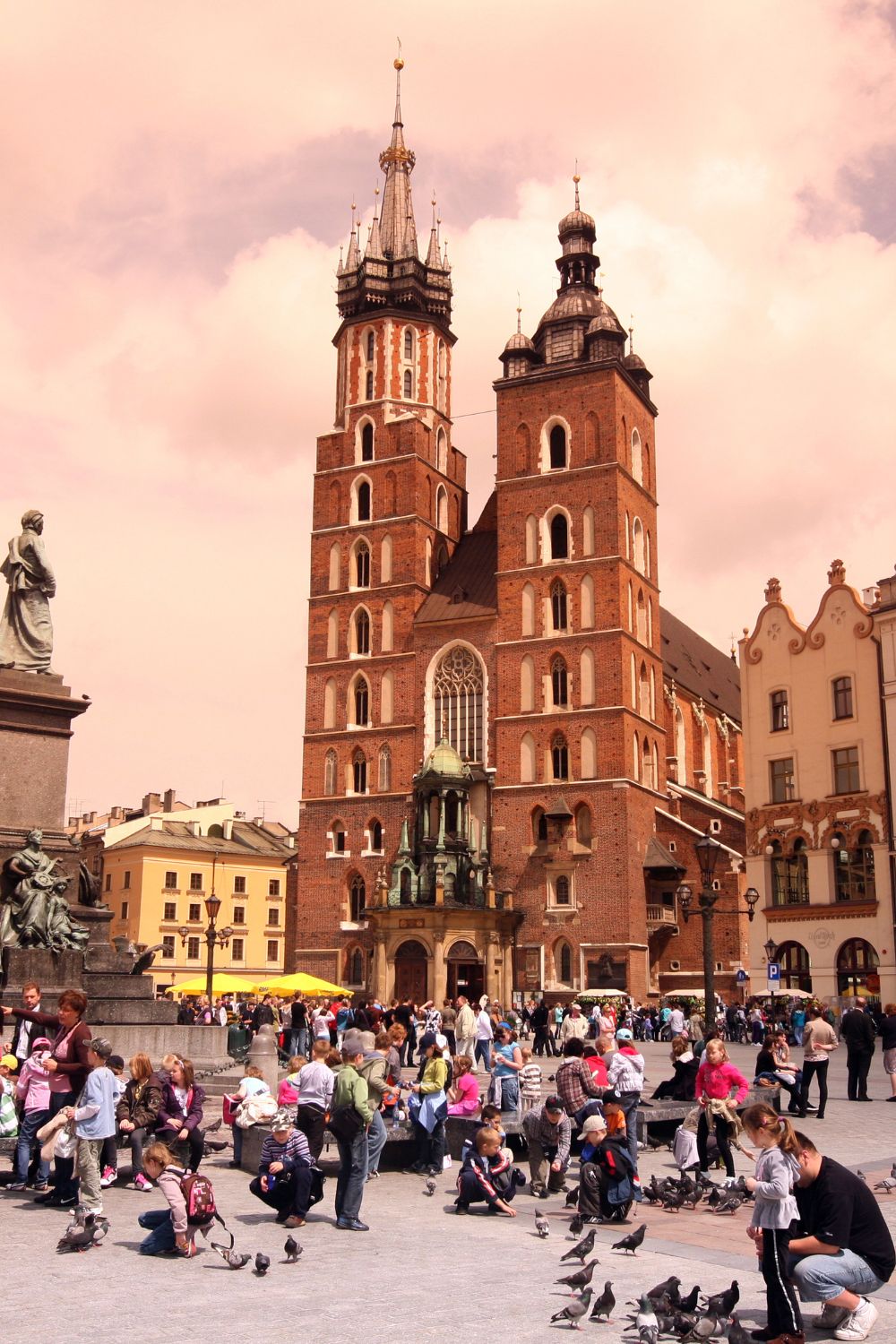
Kraków’s Main Square is one of the largest medieval squares in Europe, and from November 27, 2026 it fills with wooden market stalls selling oscypek (smoked sheep’s cheese), grilled kielbasa and hot mulled wine. Closing is provisional, somewhere between January 1 and 6, 2027.
What makes the city special at Christmas is the szopki, tall, glittering nativity scenes built to look like Kraków’s churches. The annual contest is set for December 3, 2026, when builders carry their creations to the square.
Then go underground. The Wieliczka Salt Mine, about 30 minutes outside the city, has chapels and chandeliers carved out of salt, 135 meters down. The adult Tourist Route costs about 143 PLN (about US$39, 2026), and the temperature down there stays in the mid-teens Celsius, so it can feel warmer than the street.
Kraków is the cheapest city on this list. A hearty lunch of pierogi and soup in a milk bar costs a small fraction of a lunch in Zermatt.
09Edinburgh, ScotlandHogmanay and a Castle Above the Market
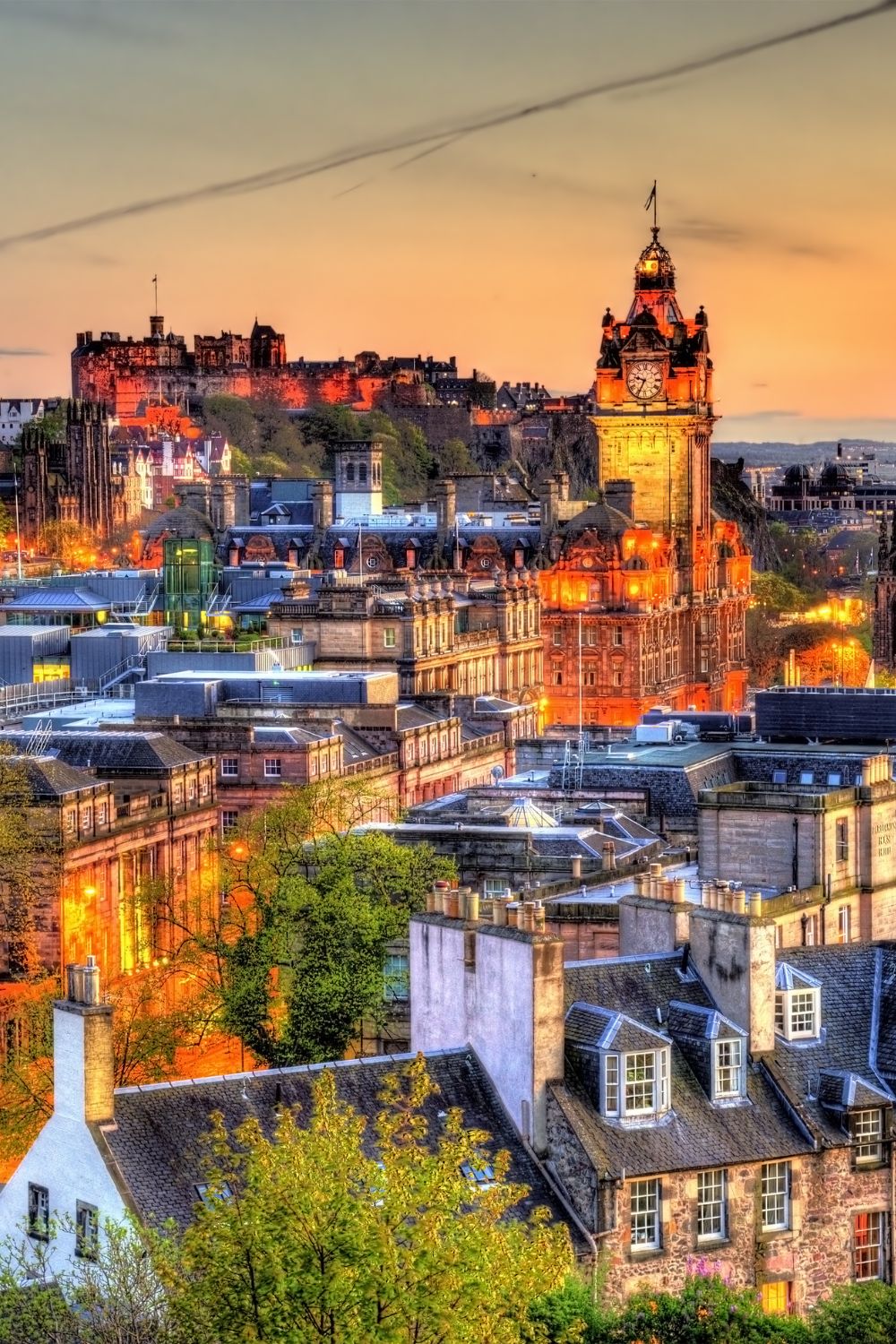
Why Edinburgh in winter? Hogmanay, Scotland’s New Year, which runs from December 29, 2026 to January 1, 2027. The Street Party on December 31 fills Princes Street, with the castle lit up above it and fireworks at midnight. Tickets are needed, are for ages 12 and up, and were about £39 (about US$51) when we checked, with prices rising closer to the date.
Before that, the Christmas market in East Princes Street Gardens is reported to run from November 14, 2026 to January 3, 2027. Entry is free; the big wheel and rides cost extra.
The weather is the honest catch. It gets dark before 4 pm in December, and the wind off the Firth of Forth is cold and wet rather than crisp. Pack a proper waterproof.
Tip: book a hotel for Hogmanay as early as you can. The city fills up for those three nights, and the cheaper rooms go first.
10Venice, ItalyFog, Empty Bridges and Carnival
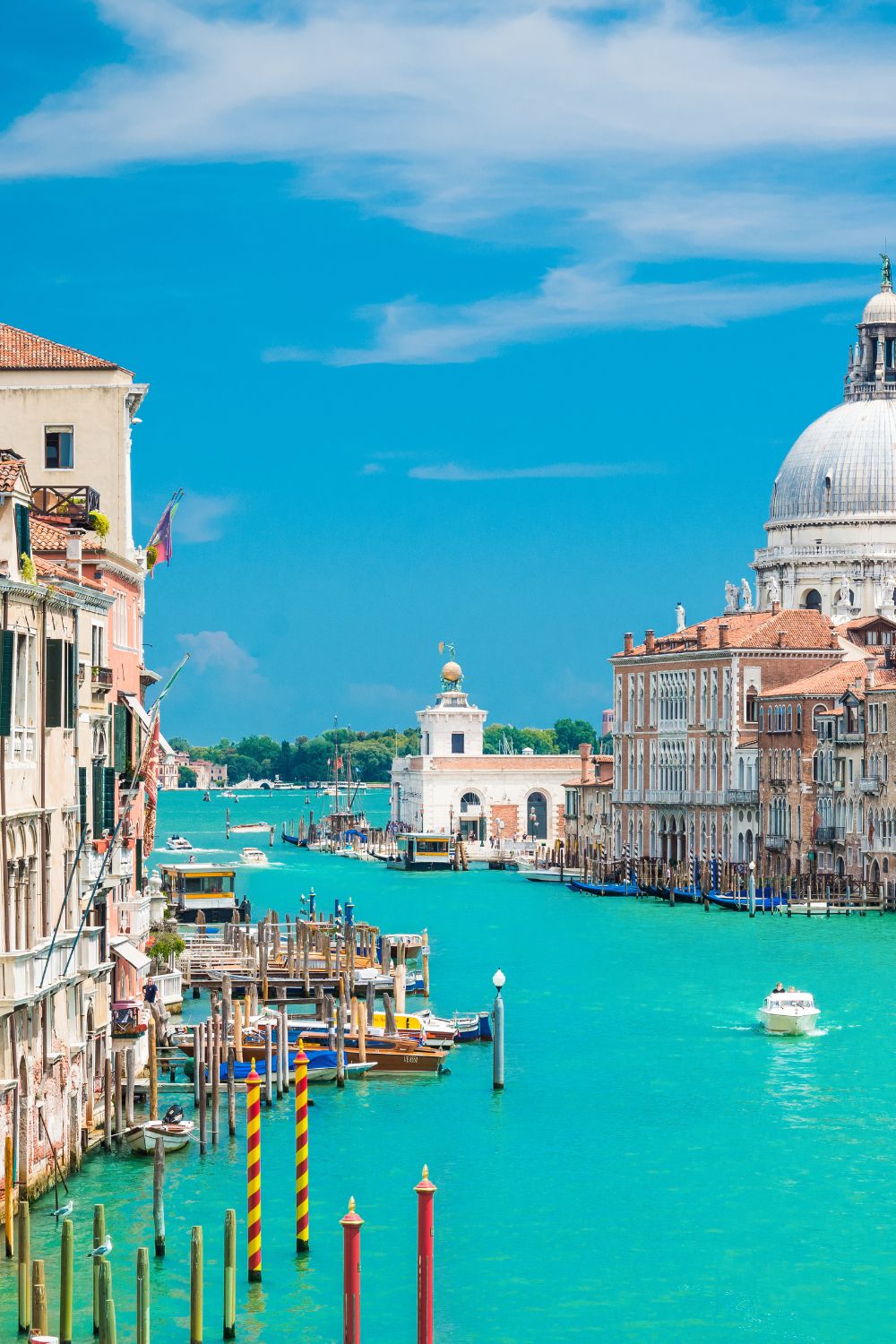
Venice in winter is the Venice people imagine before they visit: fog sitting on the lagoon, gondolas tied up and covered, and a few quiet hours on bridges that are shoulder-to-shoulder in summer. Hotels can be half the summer price in January.
Then there’s Carnival. In 2027 it ends on Shrove Tuesday, February 9, with most sources giving January 30 as the start. Masks, costumed parades in St. Mark’s Square and private balls fill the city, and hotel prices jump straight back up.
The winter caveat is acqua alta, the high water that floods parts of the city from autumn to early winter. The MOSE flood barriers have cut it back a lot, but bring boots you don’t mind getting wet, or buy a pair of the plastic ones sold in shops.
Tip: a Vaporetto pass saves money if you’ll ride more than three or four times a day, and the boats are warmer than walking along the water.
Is Europe worth visiting in winter?
Yes, if you choose places that are built for it. Alpine villages, Arctic towns and cities with baths or markets are at their best between December and March. Beach towns and mountain hiking areas are not, and many close outright.
Winter is also the cheapest time for flights and city hotels, outside of Christmas week and New Year. January and early February are the sweet spot.
How cold does it get?
It depends a lot on where you are. Tromsø averages around minus 4°C in January thanks to the Gulf Stream, which is milder than many people expect. Kiruna can drop to minus 30°C. Budapest, Kraków and Bavaria tend to sit around freezing. Venice and Edinburgh are cool and damp rather than truly cold, which can feel worse.
Our advice: layers, wool socks, a good hat and waterproof boots with grip. Cobblestones and icy steps cause more trouble than the cold does.
How should you get around Europe in winter?
Trains are your friend. The Alps, Bavaria, Budapest and Kraków are all linked by rail, and a train doesn’t care about snow the way a rental car on a mountain road does. For the Arctic, fly to Tromsø or Kiruna; distances up north are long and the roads are icy.
If you do drive in winter, winter tires are required in several Alpine countries in snowy conditions, and rental cars there usually come with them.
Note: daylight is short everywhere on this list. In Edinburgh it’s under seven hours in December, and in Tromsø it’s twilight only. Plan sights for the middle of the day and save evenings for food and the aurora.

Leave a Reply