
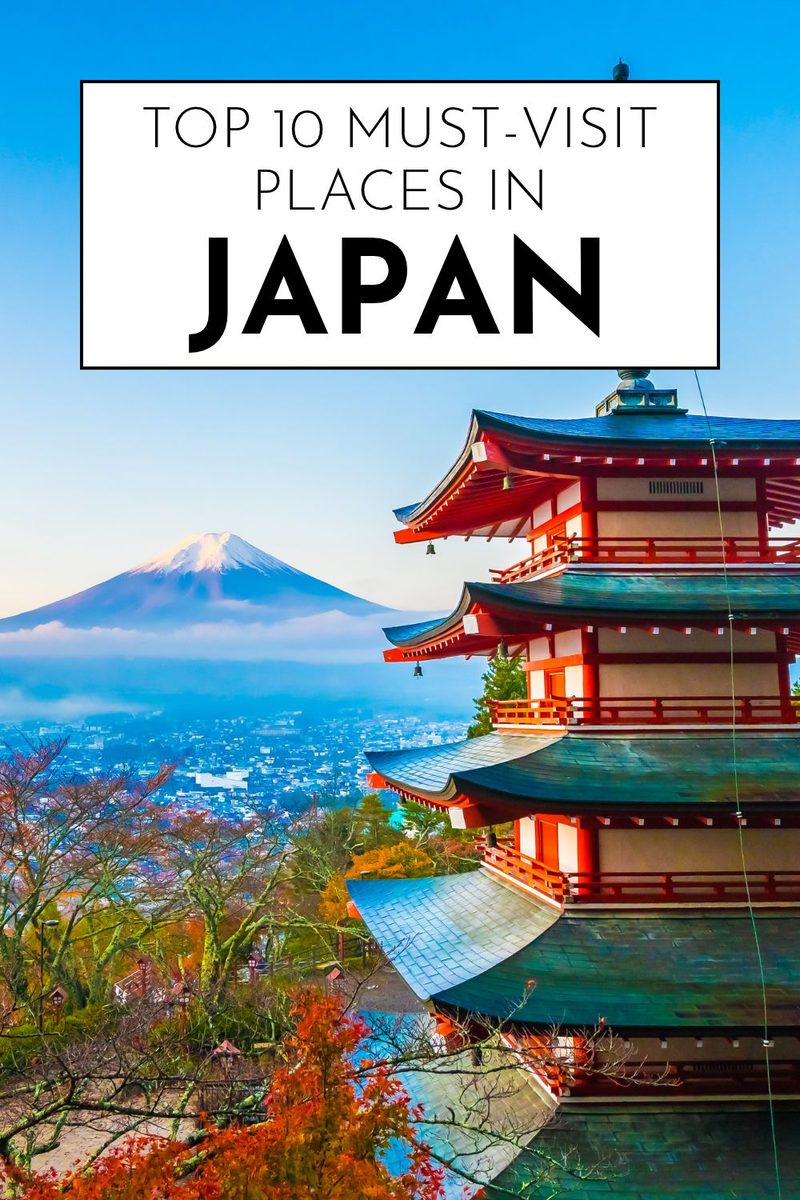
Japan rewards a short list. Try to see everything and you spend the trip on trains; choose these ten and you get the country’s full range: two great cities, an old capital, a mountain, an art island and a forest older than any temple. Each place links to our full guide when you’re ready for the detail.
Short on time? One week covers numbers 1 to 4: Tokyo, Kyoto, Osaka and Nara. Two weeks adds Mount Fuji, Hakone, Hiroshima and Miyajima.
Japan at a glance
- Best months: late March to May, and October to November.
- Ideal first trip: 10 to 14 days.
- Getting around: the Shinkansen between cities; an IC card (Suica, PASMO or ICOCA) for local trains, buses and convenience stores.
- Plugs: Type A and B, 100 V. Most phone and laptop chargers work; bring a flat two-pin adapter.
- Language: Japanese. Station and street signs in cities are also in English.
| # | Place | Best for | Give it | From Tokyo |
|---|---|---|---|---|
| 1 | Tokyo | Neighborhoods, food, first nights | 3–4 days | — |
| 2 | Kyoto | Temples, gardens, old streets | 2–3 days | About 2 h 15 min by Shinkansen |
| 3 | Osaka | Street food, nightlife, day trips | 2 days | About 2 h 30 min by Shinkansen |
| 4 | Nara | Deer park, the Great Buddha | 1 day | 45 min from Kyoto |
| 5 | Hiroshima and Miyajima | History, the floating torii | 1–2 days | About 4 h by Shinkansen |
| 6 | Mount Fuji and Hakone | Views, hot springs | 1–2 nights | About 2 h by bus or train |
| 7 | Hokkaido | Snow, summer flowers, seafood | 4+ days | About 1 h 30 min by plane |
| 8 | Okinawa | Beaches, coral, Ryukyu culture | 3–4 days | About 2 h 30 min by plane |
| 9 | Naoshima | Modern art by the sea | 1–2 days | About 5 h by train and ferry |
| 10 | Yakushima | Ancient cedar forest | 2–3 days | Plane via Kagoshima |
01TokyoNeighborhoods, Neon and Quiet Shrines
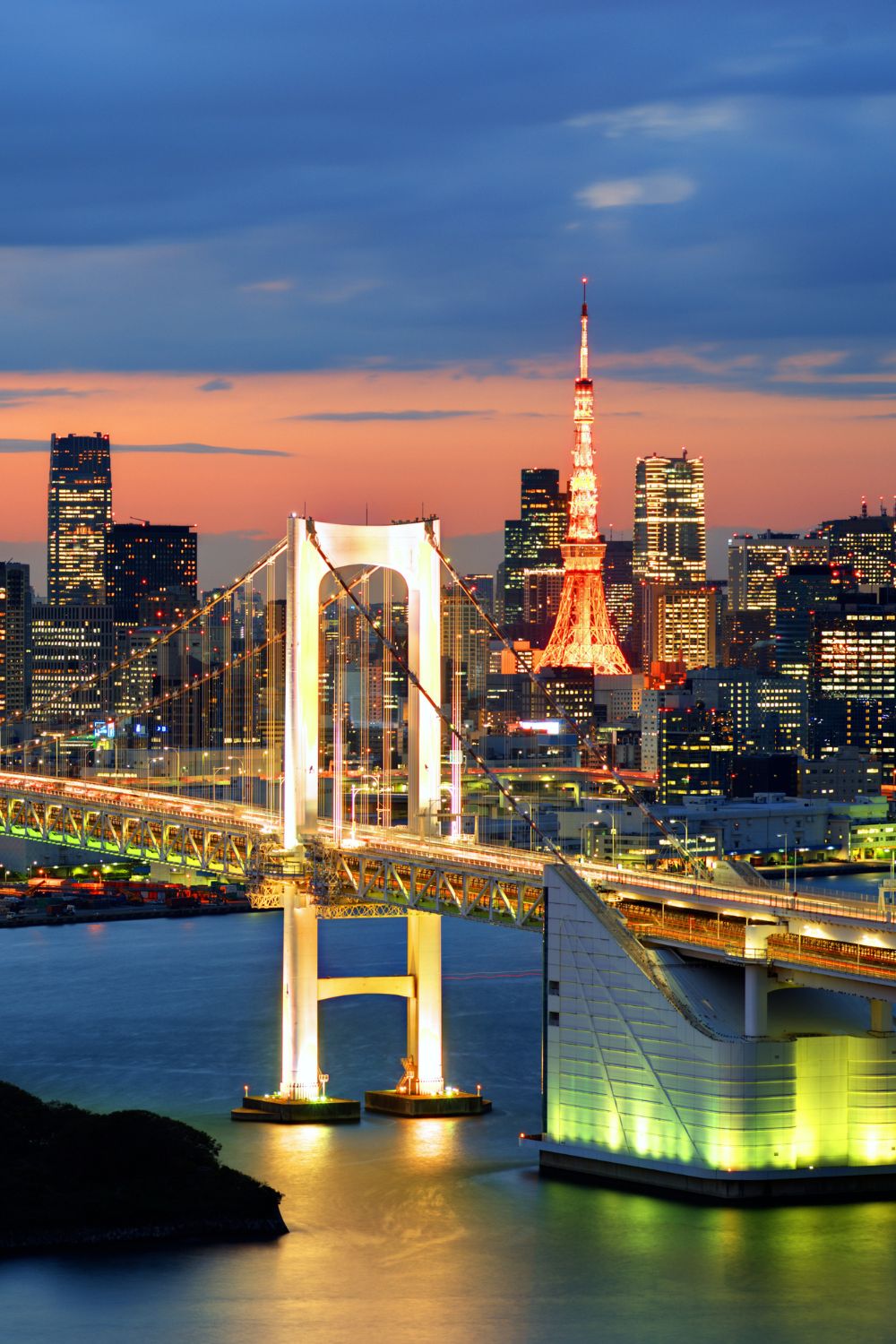
Tokyo is less one city than a few dozen neighborhoods sharing a train map, so give each day one or two of them. Start in Asakusa at Senso-ji, Tokyo’s oldest temple, before the shopping street fills. Then walk the forest path to Meiji Shrine and come out into Harajuku, reaching Shibuya Crossing as the lights come on.
Eat where office workers eat: breakfast at the Tsukiji Outer Market, a standing soba counter at lunch, a yokocho alley of six-seat bars after dark. For a skyline, skip the paid towers on a busy weekend. The free observation deck at the Tokyo Metropolitan Government Building in Shinjuku shows the whole city, and Mount Fuji on clear winter mornings.
- Give it: 3 to 4 days.
- Stay: Shinjuku or Shibuya for night life and fast connections; Asakusa or Ueno for quieter streets and lower prices.
- Arriving: Haneda Airport is about 30 minutes from central Tokyo; Narita is about an hour.
- Tip: Senso-ji’s grounds are open early and nearly empty before 8 am.
Read next: Top 10 Must-Visit Places in Tokyo
02KyotoTemples, Gardens and Old Wooden Streets
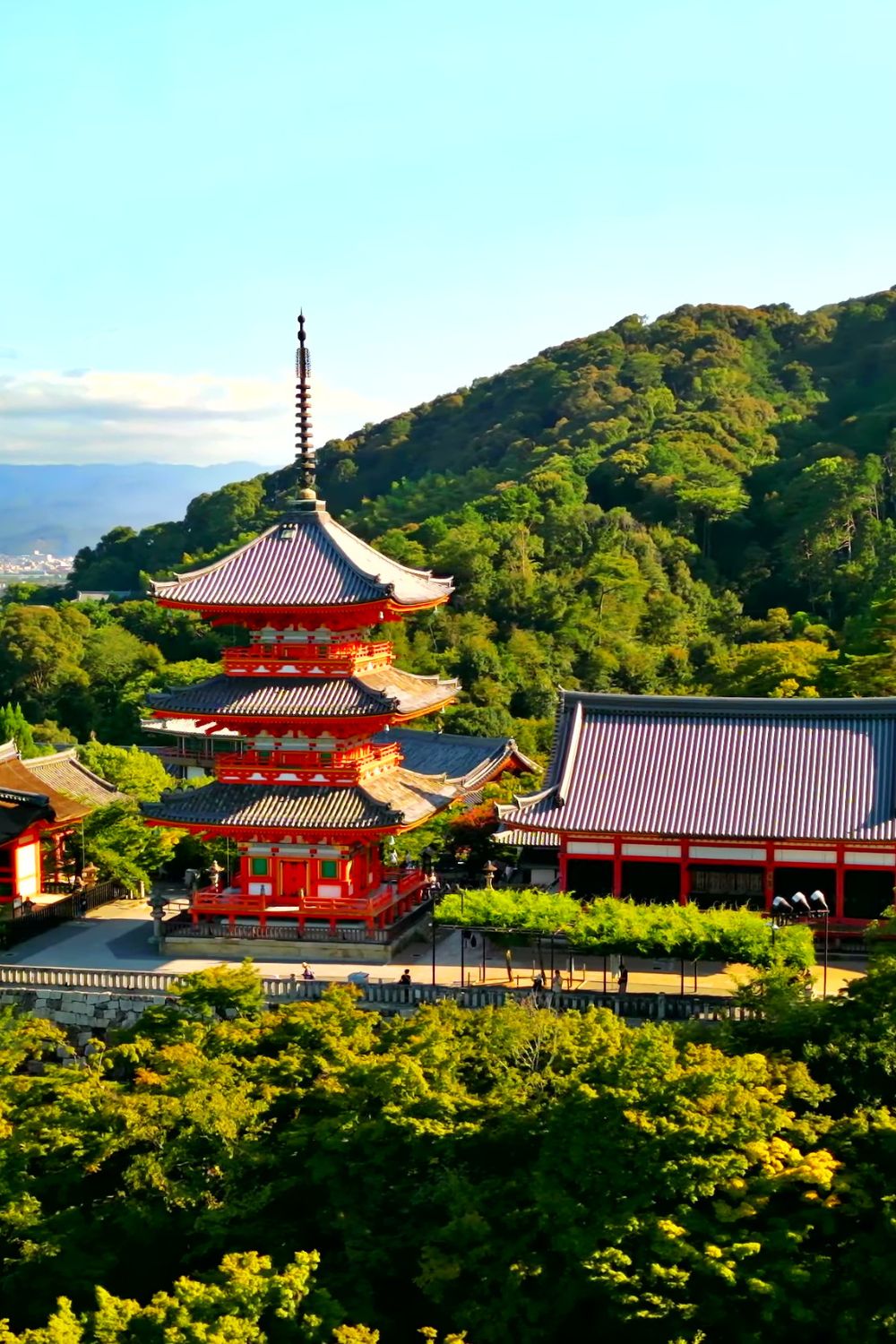
Kyoto was Japan’s capital for more than a thousand years, and roughly 1,600 temples remain. The famous ones are crowded by 10 am, so plan around your mornings. Fushimi Inari’s tunnel of vermilion torii gates is free and open all day and night: go at sunrise and climb past the first crowds to the quieter upper shrines. Arashiyama’s bamboo grove is a peaceful ten-minute walk at 7 am and a shuffle at noon.
Save afternoons for the slower Kyoto: the canal-side Philosopher’s Path, the gold of Kinkaku-ji, and the wooden stage of Kiyomizu-dera at sunset. Walk Gion in the evening, when the lanterns come on. Please don’t follow or photograph geiko and maiko; some private lanes in Gion are now closed to visitors.
- Give it: 2 to 3 days.
- Getting there: about 2 hours 15 minutes from Tokyo on the Nozomi Shinkansen.
- Best time: late March to early April for cherry blossoms, mid-November to early December for maple leaves. These are the busiest weeks, so book early.
- Tip: city buses fill up; the subway, JR trains and your own feet are often faster.
Read next: Top 10 Must-Visit Places in Kyoto
03OsakaJapan’s Kitchen After Dark
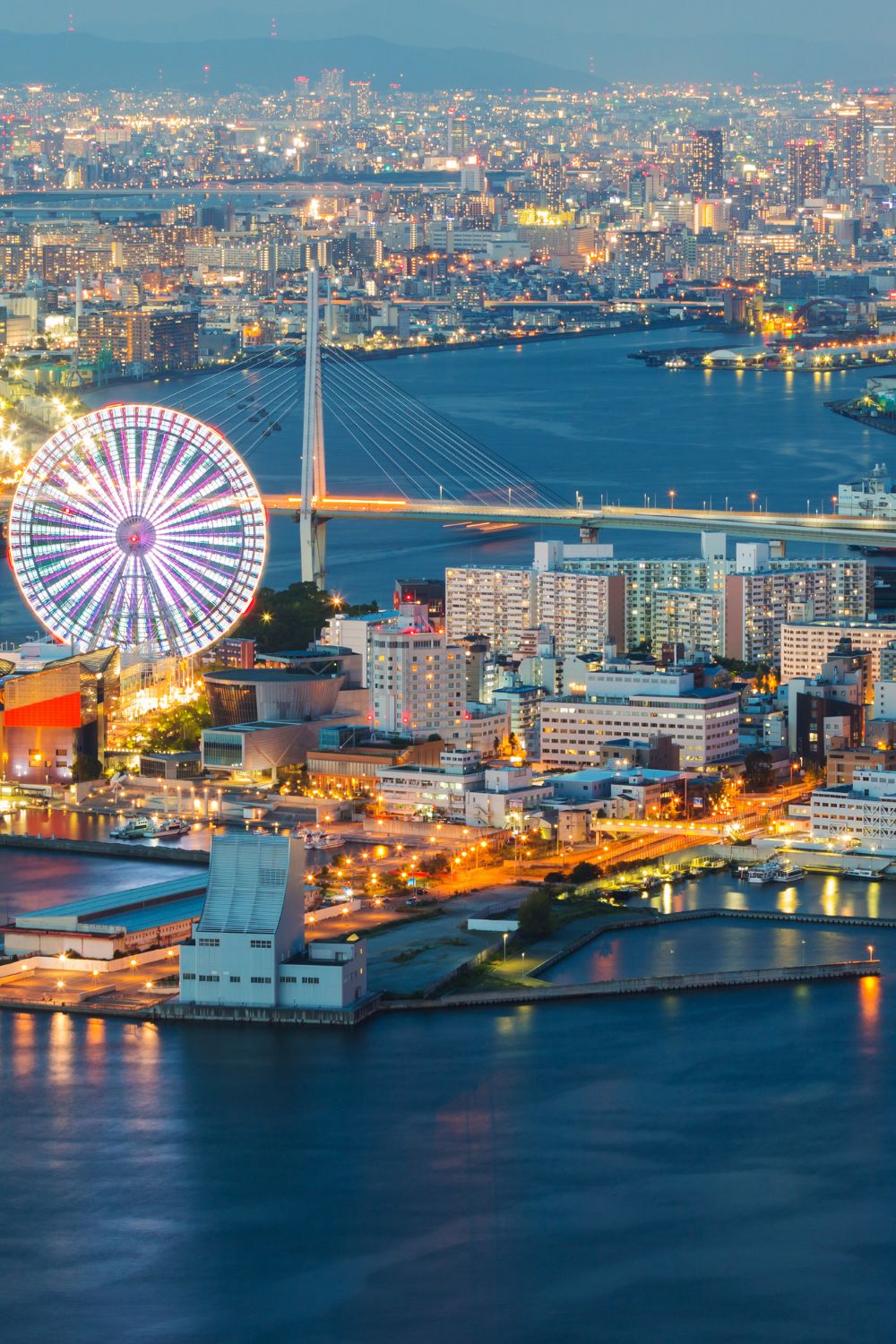
Osaka’s motto is kuidaore, “eat until you drop,” and the city means it. Walk Dotonbori at night for the neon and takoyaki stands, graze through Kuromon Market by day, and finish in retro Shinsekai over kushikatsu. These fried skewers come with one firm rule: no double-dipping in the shared sauce.
Between meals, Osaka Castle’s park is at its best in cherry blossom season, and Universal Studios Japan takes a full day (book timed entry for Super Nintendo World in advance). Osaka is also the easiest base for day trips. Kyoto is 15 minutes away by Shinkansen, Nara under an hour, and hotels usually cost less than in Kyoto.
- Give it: 2 days, plus day trips.
- Getting there: about 15 minutes from Kyoto by Shinkansen, or 30 by JR Special Rapid.
- Arriving: Kansai Airport is about an hour from central Osaka.
- Tip: the Kuromon stalls are freshest and calmest before 10 am.
Read next: Top 10 Must-Visit Places in Osaka
04NaraDeer Park and the Great Buddha
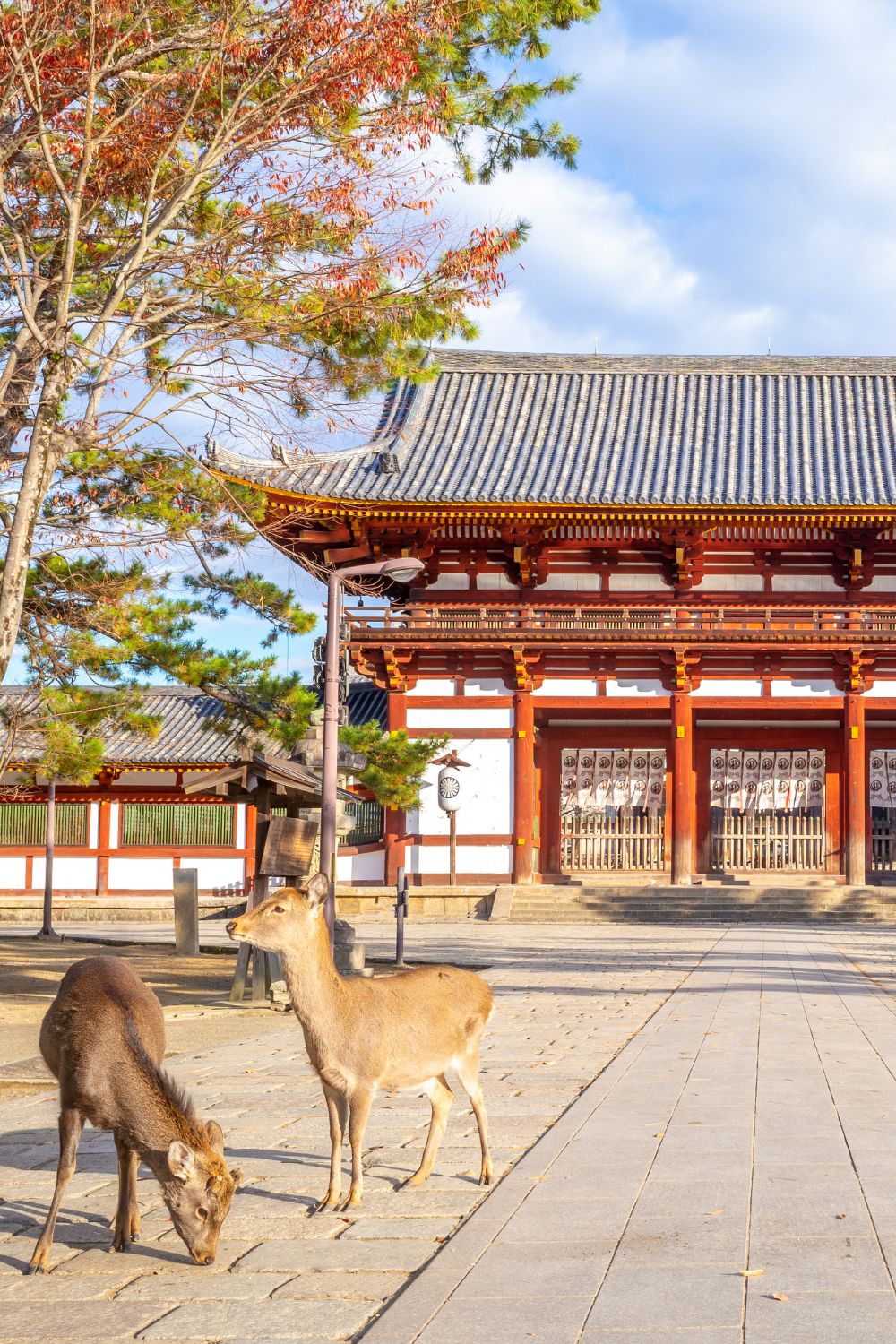
Nara was Japan’s first permanent capital, in the eighth century, and it makes the best day trip from Kyoto or Osaka. More than a thousand sika deer roam its park freely. They are protected as messengers of the gods, they bow for deer crackers, and they will eat your paper map if you hold it low.
Inside Todai-ji, a bronze Great Buddha about 15 meters tall sits in one of the world’s largest wooden buildings. From there, walk the lantern-lined path to Kasuga Taisha, then wander back through the old merchant houses of Naramachi.
- Give it: a full day.
- Getting there: about 45 minutes from Kyoto or 40 from Osaka. Kintetsu-Nara Station is closer to the park than JR Nara.
- Tip: feed the deer only the official crackers sold in the park, and keep tickets and maps in a bag.
Read next: Top 10 Must-Visit Places in Nara
05Hiroshima and MiyajimaPeace Park and the Floating Torii
Hiroshima is a day that stays with you. The Peace Memorial Museum tells the story of 6 August 1945 through the belongings and words of the people who lived it; give it at least two hours, then walk to the A-Bomb Dome by the river. Afterwards the city lightens. Try Hiroshima-style okonomiyaki, layered with cabbage and noodles and cooked on the griddle in front of you.
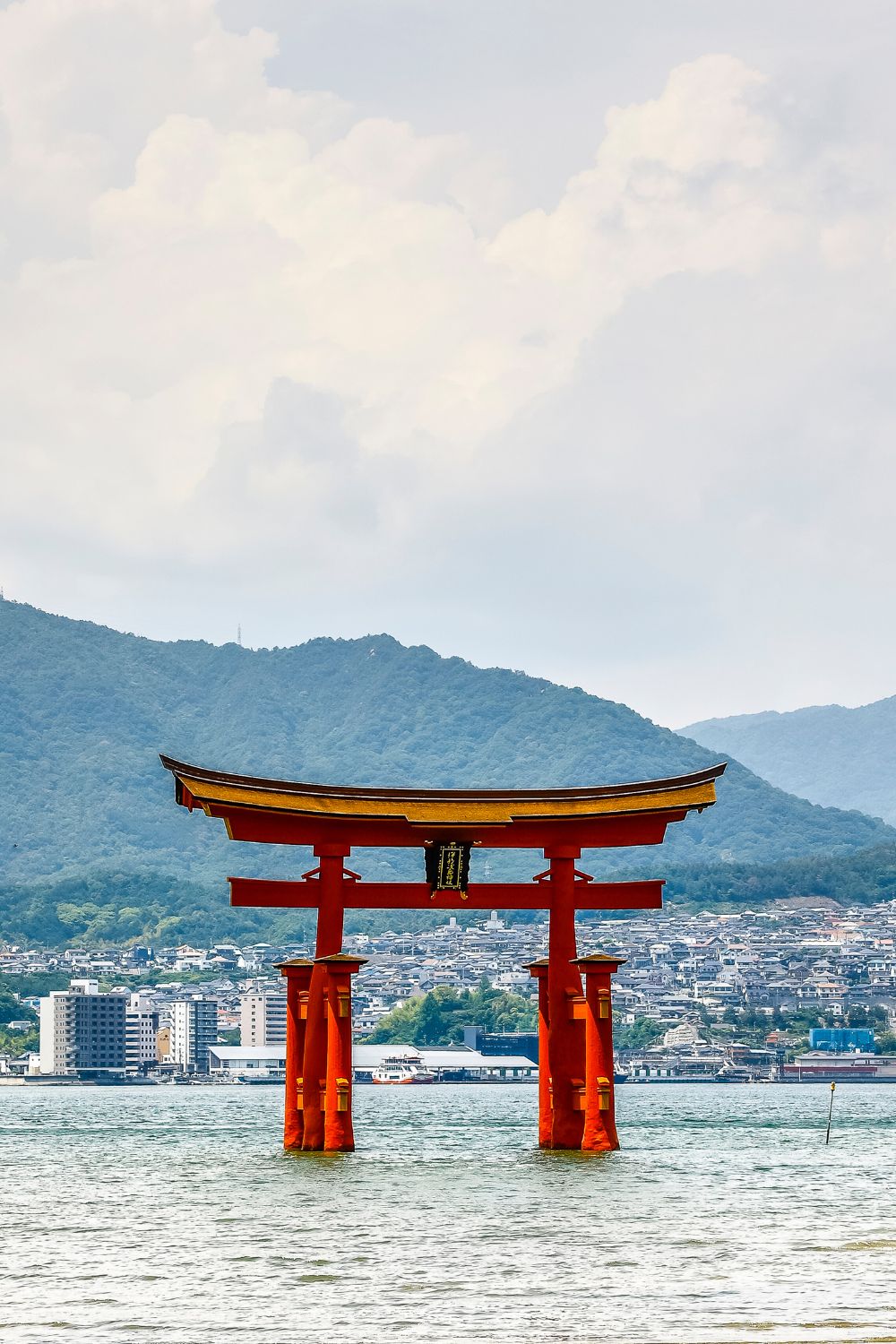
Miyajima is a ten-minute ferry ride from the mainland. At high tide, the great torii of Itsukushima Shrine seems to float; at low tide, you can walk out to it. Check the tide times and see both if you can. Stay the night if your budget allows: day-trippers leave by evening and the island goes quiet. Climb, or ride the ropeway up, Mount Misen for views across the Inland Sea.
- Give it: 1 to 2 days.
- Getting there: about 1 hour 30 minutes from Osaka by Shinkansen. From Hiroshima, take a local train to Miyajimaguchi (about 25 minutes), then the ferry.
- Note: Miyajima charges a small visitor tax, usually paid with your ferry ticket.
Read next: 10 Must-Visit Places in Hiroshima and Top 10 Must-Visit Places in Miyajima Island
06Mount Fuji and HakoneLakes, Hot Springs and the Mountain
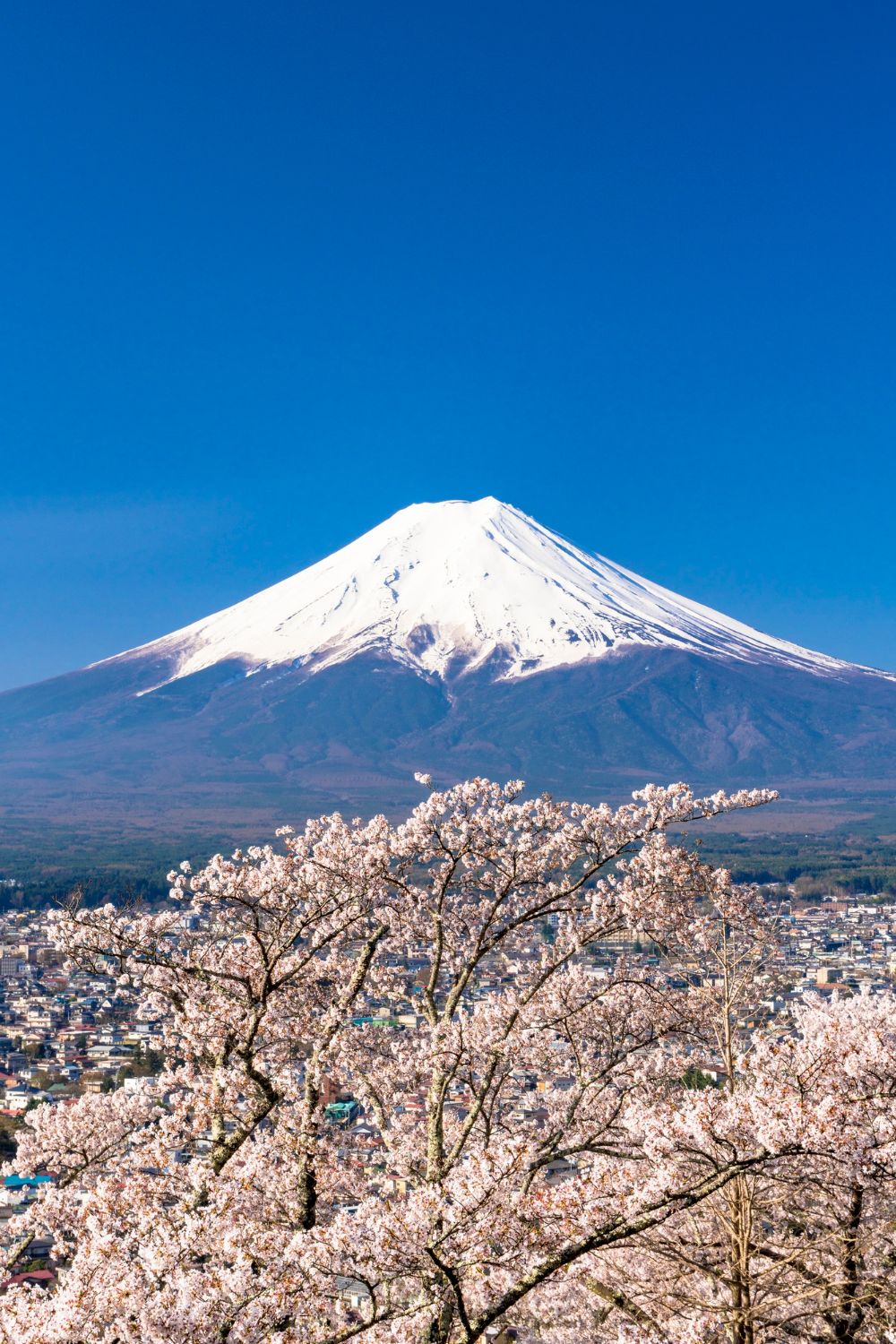
Mount Fuji (3,776 meters) is shy. Clouds hide it on many summer days, while clear winter mornings show the whole cone. Two bases put you close to it. Lake Kawaguchiko, in the Fuji Five Lakes area, has the classic reflections. Hakone has hot springs and a loop by mountain railway, then a ropeway over the steaming vents of Owakudani and a boat across Lake Ashi. The Hakone Open-Air Museum is worth an afternoon on its own.
Spend at least one night in a ryokan: a hot-spring bath, a dinner of many small courses, and futons laid out while you eat. Climbing Fuji is a separate trip. The season runs from early July to early September, and the trails now charge a fee and limit numbers, so check the official site before you plan.
- Give it: 1 to 2 nights.
- Getting there: about 2 hours by highway bus from Shinjuku to Kawaguchiko; about 85 minutes by Odakyu Romancecar from Shinjuku to Hakone-Yumoto.
- Best views: early mornings from November to February.
Read next: Top 10 Must-Visit Places in Kanagawa, which covers Hakone, Kamakura and Yokohama.
07HokkaidoPowder Snow, Lavender and Seafood
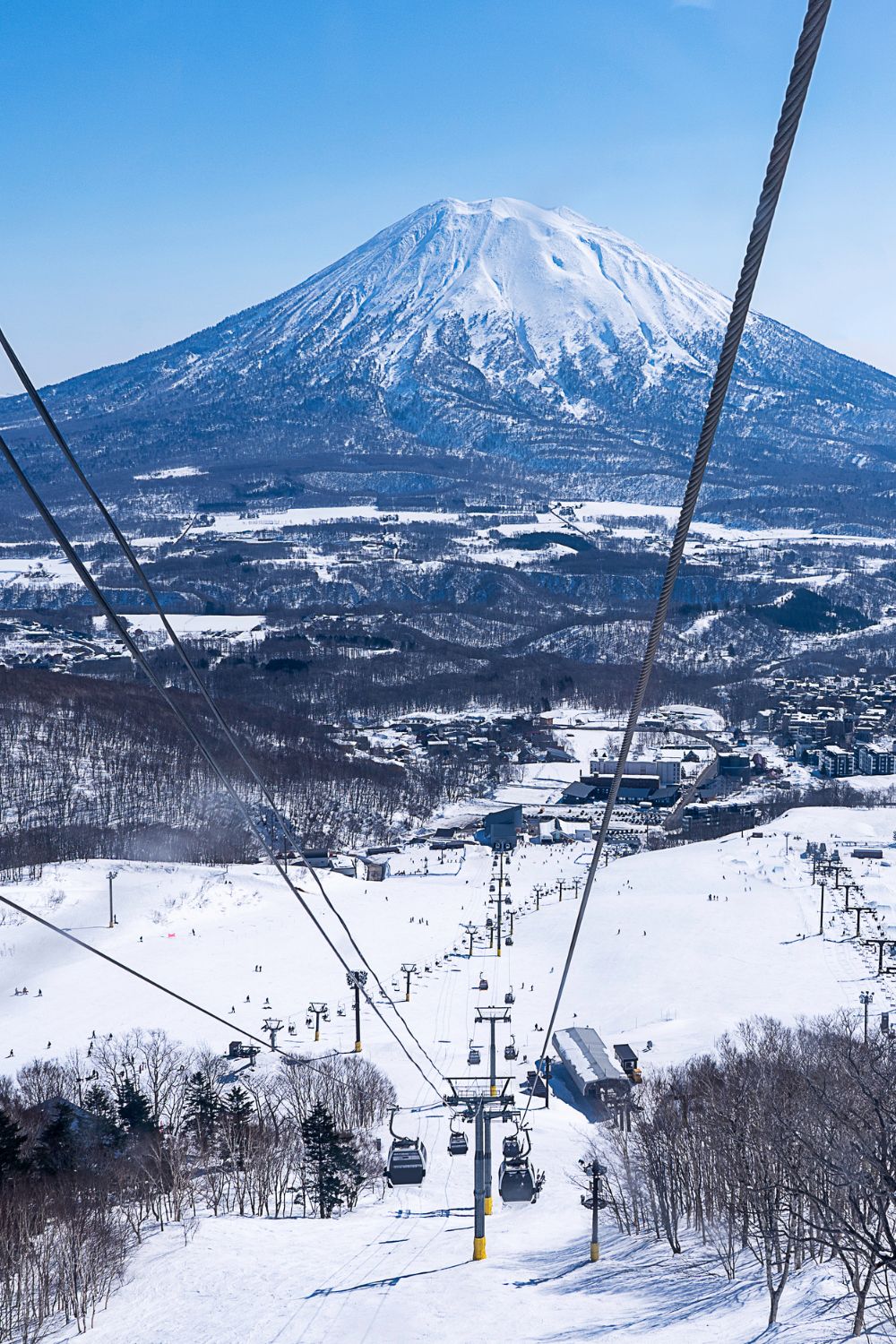
Japan’s northern island feels like another country: wide farmland, volcanoes, bears in the national parks, and the country’s best seafood and dairy. In winter, Niseko’s powder snow draws skiers from around the world, and in early February the Sapporo Snow Festival fills the city with ice sculptures. In July, the lavender fields of Furano and the patchwork hills of Biei come into bloom.
Eat miso ramen in Sapporo, crab and sea urchin at the Hakodate morning market, and soft-serve ice cream made with Hokkaido milk wherever you see it. Distances are long, so choose one region per trip rather than trying to cover the whole island.
- Give it: 4 days or more.
- Getting there: about 1 hour 30 minutes by plane from Tokyo to New Chitose (Sapporo). The Shinkansen reaches Hakodate in about 4 hours.
- Tip: rent a car in summer; in winter, use trains and buses unless you’re used to driving on snow.
Read next: Top 10 Must-Visit Places in Hokkaido
08OkinawaBeaches, Coral and Ryukyu Culture
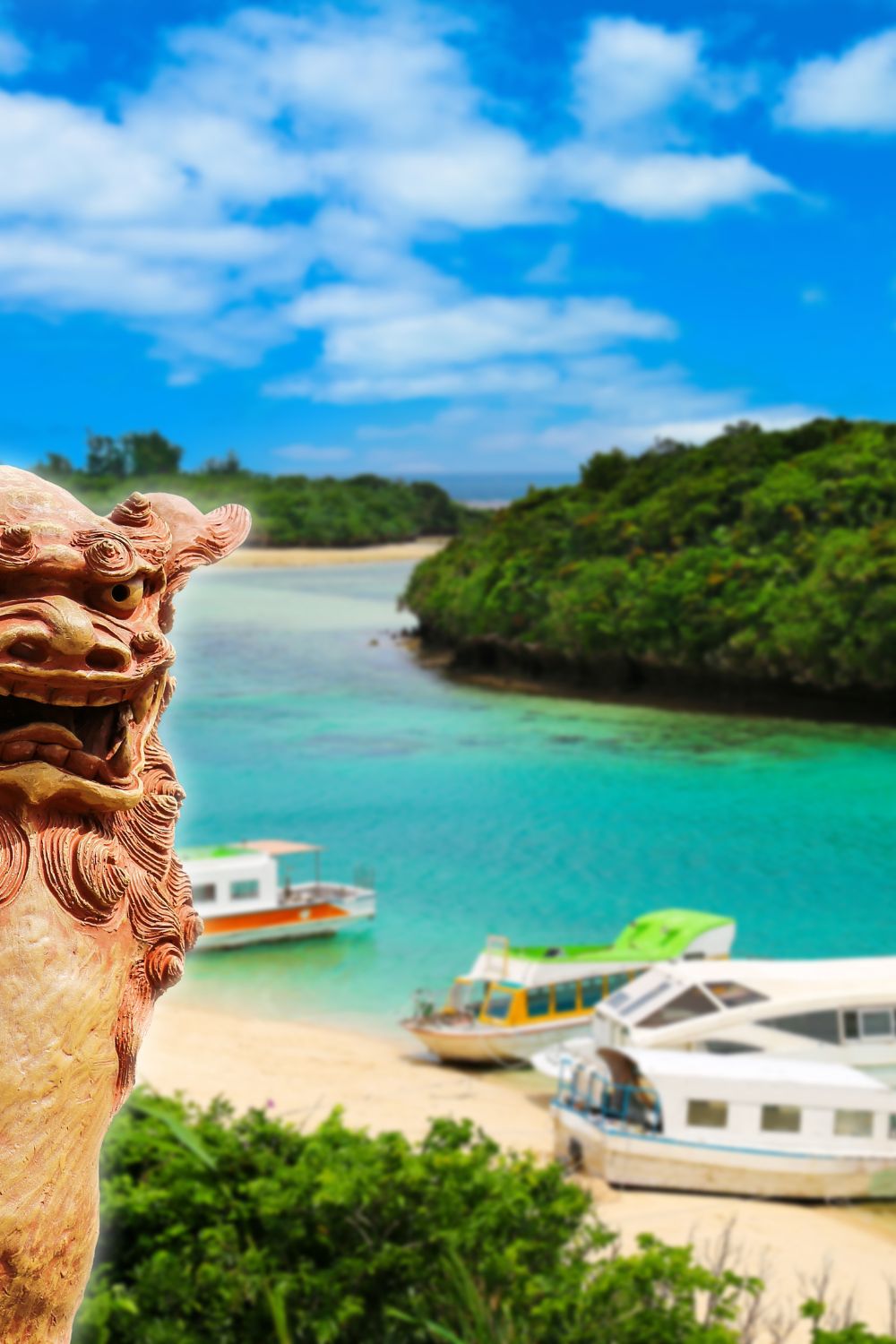
Okinawa was the independent Ryukyu Kingdom until 1879, and it still has its own food, music and architecture. Look out for the shisa lion-dogs guarding the rooftops. The sea is the main reason to come. Snorkel in the clear water of the Kerama Islands, a short ferry ride from Naha, and watch whale sharks glide past at the Churaumi Aquarium in the island’s north.
Kokusai Street in Naha is an easy first evening. If you have time, the outer islands reward an extra flight: Ishigaki for diving, and tiny Taketomi, where water buffalo carts move slowly along sand streets.
- Give it: 3 to 4 days on the main island; more for the outer islands.
- Getting there: about 2 hours 30 minutes by plane from Tokyo to Naha.
- Best time: April, and October to November. The rainy season runs from about May to June, and typhoons are most likely between July and October.
Read next: Top 10 Must-Visit Places in Okinawa
09NaoshimaJapan’s Art Island
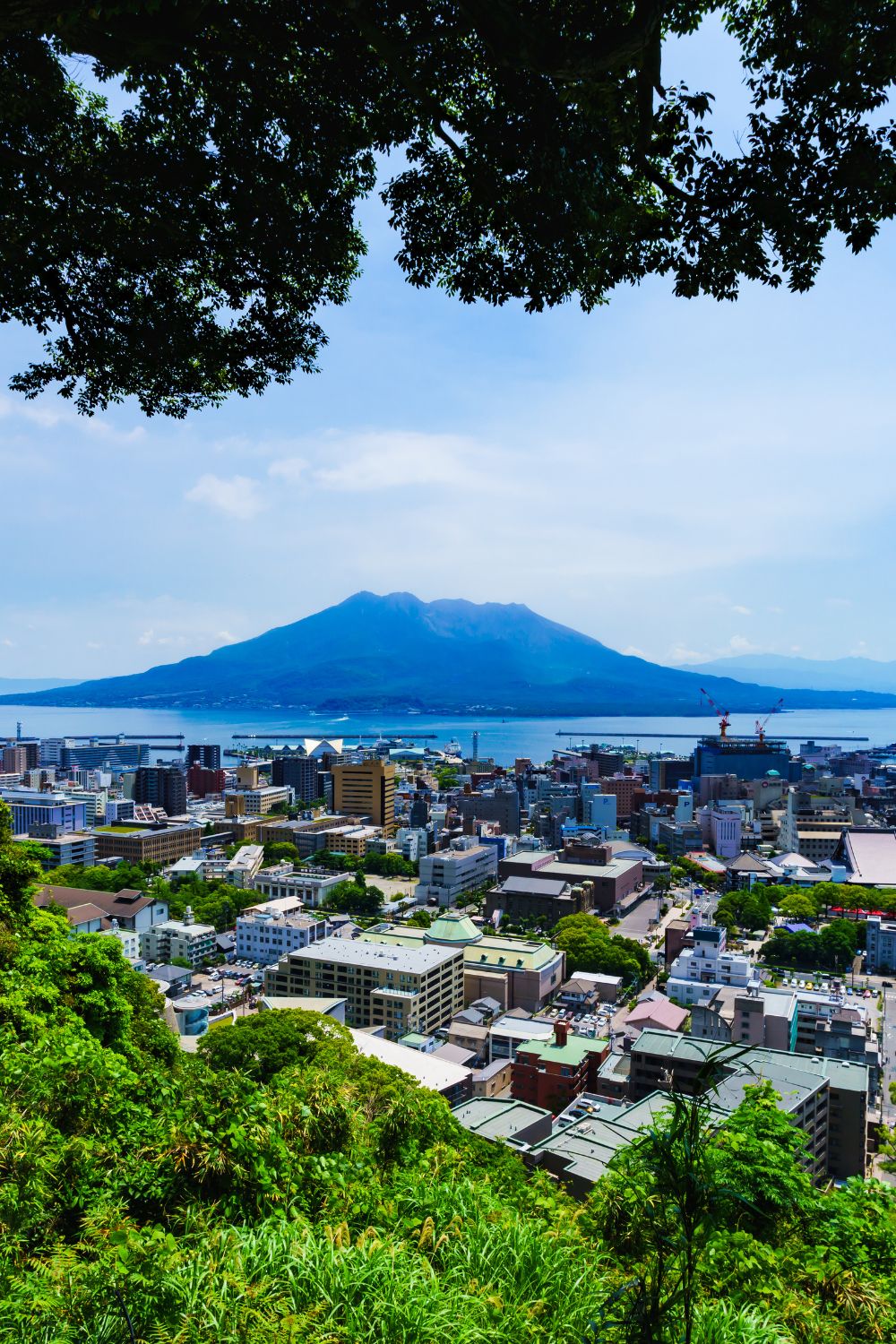
Naoshima is a small fishing island in the Seto Inland Sea that became one of the world’s great places to see art. Tadao Ando’s Chichu Art Museum sits mostly underground and lights Monet’s water lilies with daylight. The Art House Project turns old village houses into installations, and Yayoi Kusama’s yellow pumpkin sits at the end of a pier.
Rent an electric bike or use the island bus. Most museums close on Mondays, and Chichu needs a timed ticket booked online. Stay overnight to see the island after the last ferry leaves, or pair it with a few days on Shikoku across the water.
- Give it: 1 to 2 days.
- Getting there: Shinkansen to Okayama, a local train to Uno (about an hour), then a 20-minute ferry to Miyanoura port.
- Tip: check the museum calendar before you book; closing days shift around public holidays.
Read next: Top 10 Must-Visit Places in Naoshima Island and 10 Must-Visit Places in Shikoku Island
10YakushimaThe Ancient Cedar Forest
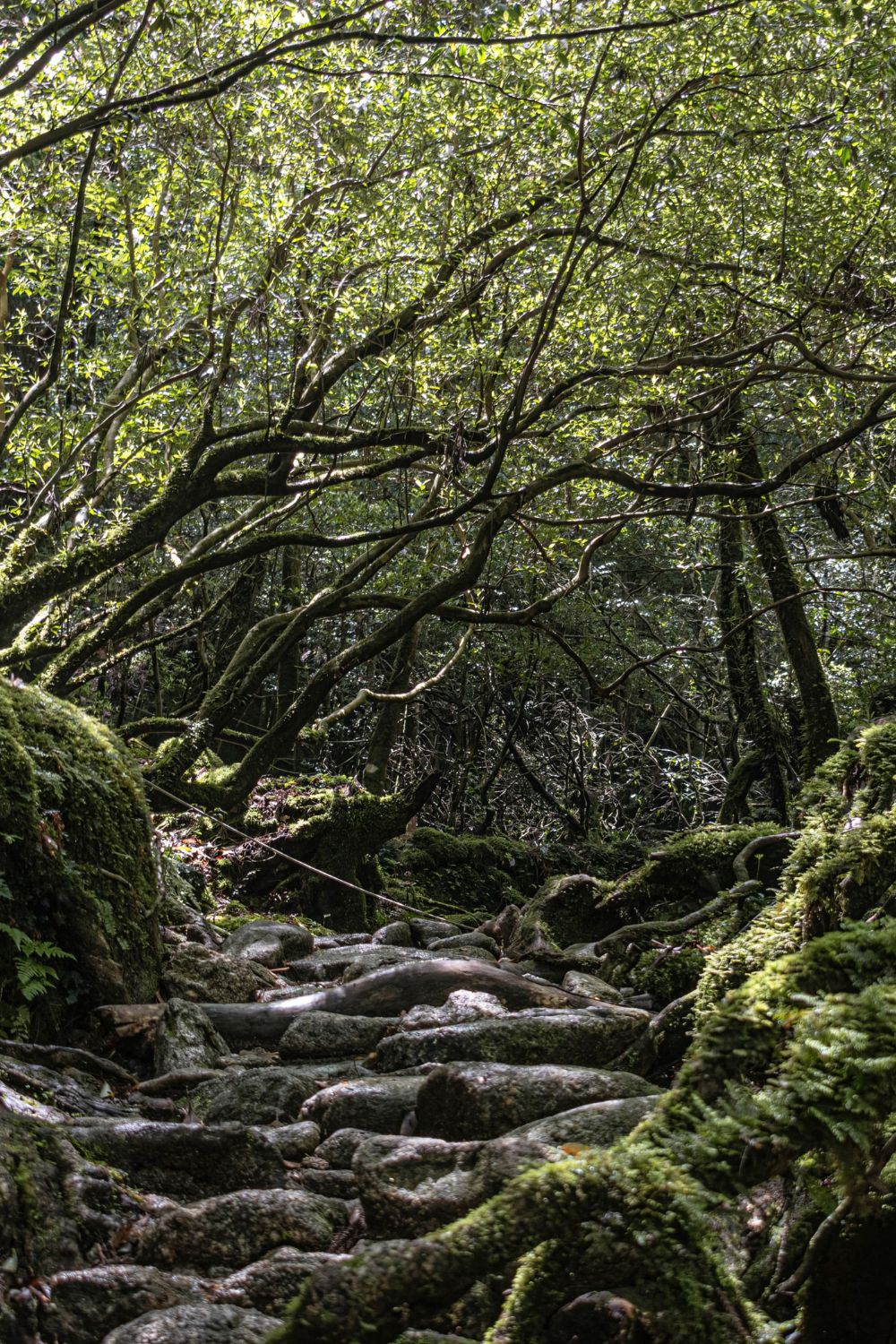
Off the southern tip of Kyushu, Yakushima is a round, mountainous island of moss-green rainforest and cedars that are thousands of years old. In 1993 it became one of Japan’s first UNESCO World Heritage Sites. The famous Jomon Sugi cedar is a full-day hike of about 10 hours there and back. The Shiratani Unsuikyo ravine, often said to have inspired the forest in Princess Mononoke, is a walk of a few hours.
It rains a lot here; locals joke that it rains 35 days a month. Pack proper rain gear and treat the mist as part of the place. Afterwards, soak at Hirauchi Kaichu Onsen, a hot spring in the rocks by the sea that you can only use at low tide.
- Give it: 2 to 3 days.
- Getting there: fly from Kagoshima (about 35 minutes) or take the high-speed ferry (2 to 3 hours).
- Tip: for much of the year, the road to the Jomon Sugi trailhead is closed to private cars, so plan around the shuttle bus or go with a guide.
Read next: Top 10 Must-Visit Places in Yakushima Island
When is the best time to visit Japan?
Late March to May and October to November have the mildest weather, along with cherry blossoms in spring and maple leaves in autumn. They are also the busiest and most expensive weeks, especially Golden Week (late April to early May). June is the rainy season almost everywhere except Hokkaido. July and August are hot and humid but good for Hokkaido and Fuji climbing, and typhoons are most likely from August to September. Winter is cold, clear and quieter: the best season for views of Fuji and for snow in Hokkaido.
How do you get around Japan?
- Shinkansen for the long hops. Reserve seats in busy seasons. On the Tokyo–Osaka–Hiroshima line, large suitcases need a seat with an oversized-luggage area, booked in advance.
- The JR Pass cost more after its 2023 price rise. A 7-day pass now usually pays off only if you travel far, such as Tokyo to Hiroshima and back; for Tokyo, Kyoto and Osaka alone, single tickets are often cheaper.
- An IC card (Suica, PASMO or ICOCA, including the phone wallet versions) covers local trains, buses, vending machines and convenience stores.
- Luggage forwarding (takkyubin) sends your suitcase from hotel to hotel overnight, so you can ride the train with a day bag.
Three routes that work
- One week: Tokyo (3 nights), Kyoto (3 nights, with a day trip to Nara), Osaka (1 night). Fly home from Kansai.
- Ten days: add a night in Hakone or at Kawaguchiko between Tokyo and Kyoto, and two days for Hiroshima and Miyajima after Osaka.
- Two weeks: add Naoshima between Osaka and Hiroshima, or swap the second week for Hokkaido in winter or Okinawa in spring.
The local cup
Japan’s coffee runs from canned coffee in every vending machine (hot in winter, cold in summer) to the kissaten, old-style coffee houses with velvet chairs, hand-poured or siphon coffee and thick slices of toast. Look for them in Tokyo’s Jimbocho and Ginza, along Kyoto’s old shopping arcades and in Osaka’s Nakazakicho. In Nagoya, a coffee in the morning comes with free toast and an egg. Locals call it “morning service”; see our Aichi guide.
Every Japan guide
Pick two or three places from this list, give each the time it asks for, and leave a day free for whatever you find on the way. When you’re ready for the detail, every guide below has ten places of its own:






Leave a Reply