Archive

July 2025

Browsing

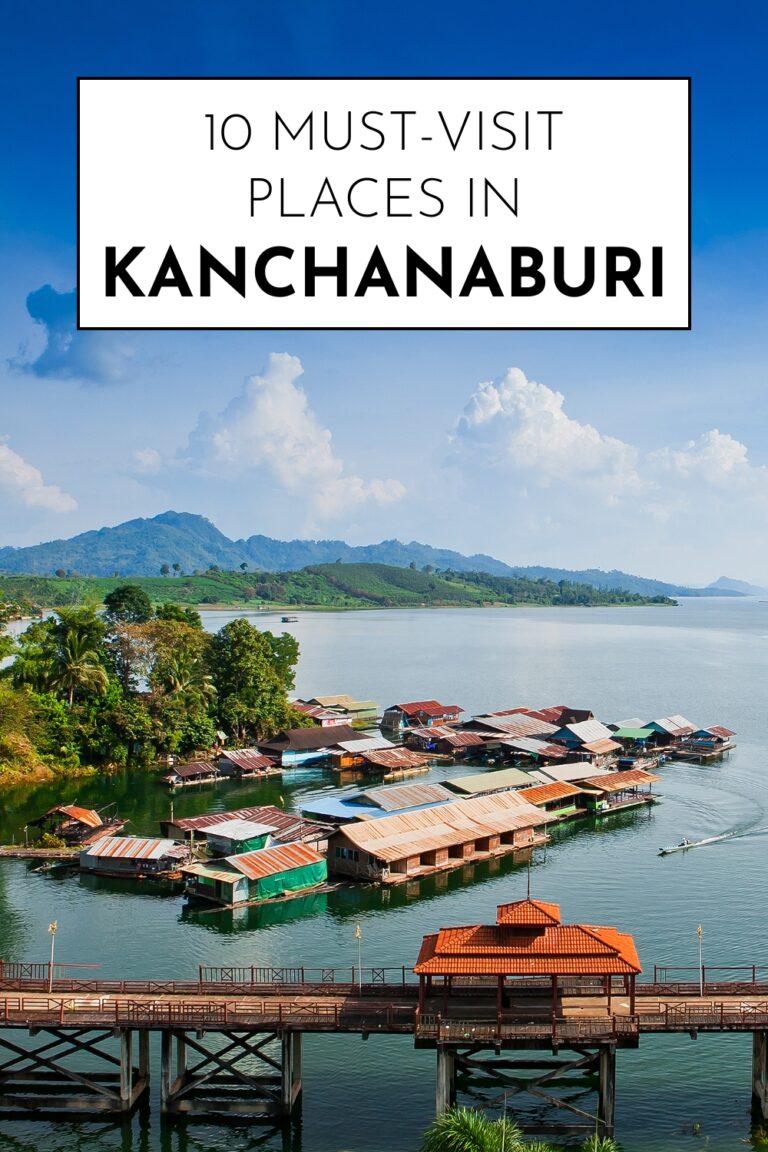
Kanchanaburi, located just 130 kilometers west of Bangkok, is one of Thailand’s most historically significant and naturally beautiful provinces. This enchanting destination offers visitors a perfect blend of World War II history, stunning natural landscapes, and authentic Thai culture.

Famous worldwide for the Bridge over the River Kwai and the Death Railway, Kanchanaburi carries deep historical importance while showcasing some of Thailand’s most spectacular scenery. From cascading waterfalls and emerald pools to war museums and floating restaurants, this province delivers unforgettable experiences.

The region’s tragic wartime history has been transformed into powerful museums and memorials that honor those who suffered during the construction of the Burma Railway. Meanwhile, its pristine national parks, limestone caves, and pristine rivers offer adventure and relaxation in equal measure.

Whether you’re interested in history, nature, or cultural experiences, Kanchanaburi provides a meaningful escape from Thailand’s bustling cities. Let’s explore the ten essential destinations that make this province a must-visit location for travelers seeking both education and natural beauty.

1. Bridge over the River Kwai – Historic Icon
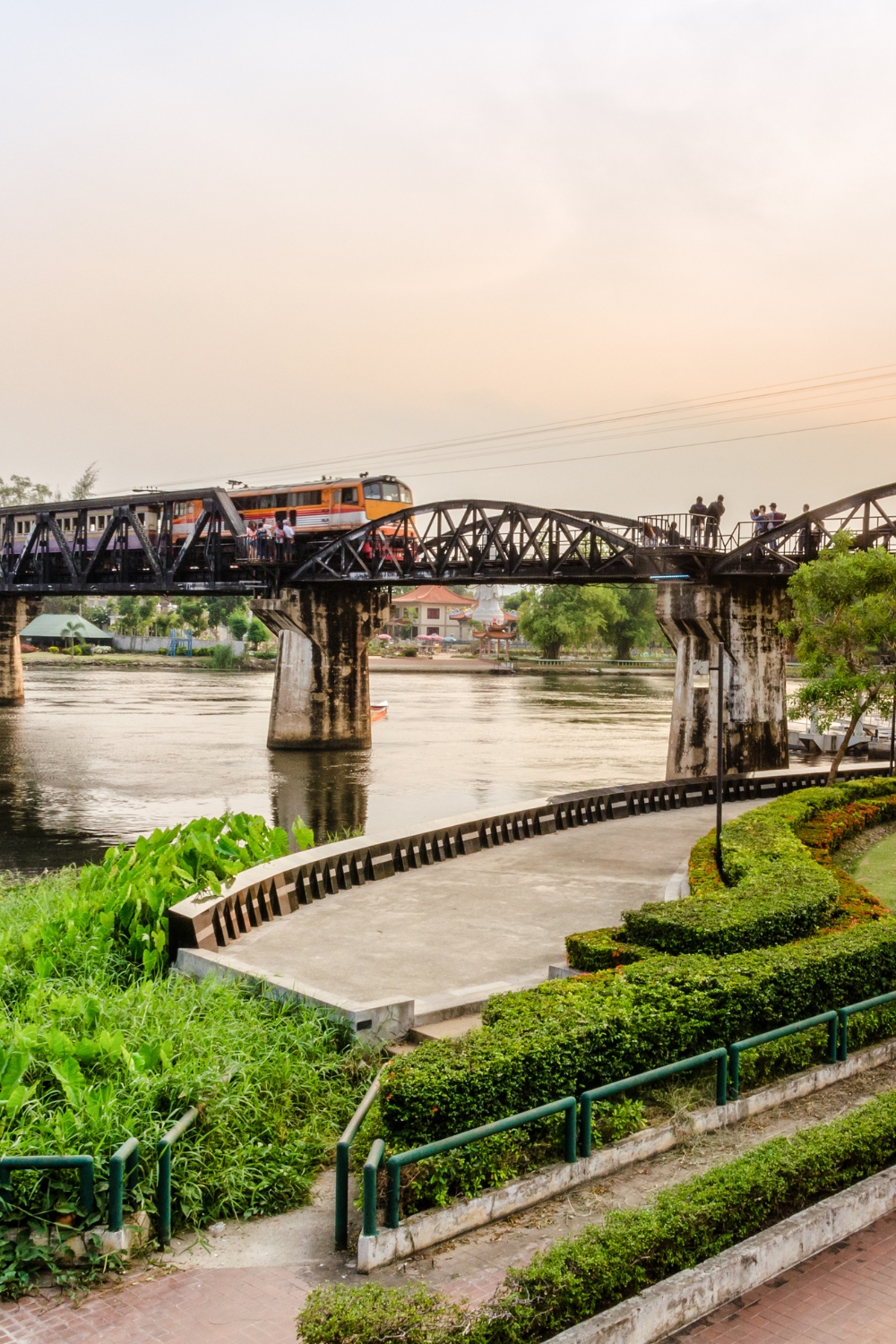
Bridge over the River Kwai - Historic Icon

The Bridge over the River Kwai stands as Kanchanaburi’s most famous landmark and a powerful symbol of World War II history in Southeast Asia. This iron railway bridge spans the Mae Klong River and represents one of the most tragic yet remarkable engineering achievements of the war.

Historical Significance and Wartime Legacy

Built between 1942-1943 by Allied prisoners of war and Asian laborers under brutal Japanese occupation, the bridge was part of the Death Railway connecting Thailand to Burma. An estimated 100,000 workers died during its construction due to harsh conditions, disease, and malnutrition.

The current bridge is actually a reconstruction, as Allied bombing destroyed the original structure in 1945. Two curved sections of the bridge are original pieces, preserved as historical artifacts. Walking across the 300-meter span provides a sobering reminder of the human cost of war.

The bridge gained international fame through Pierre Boulle’s novel “The Bridge over the River Kwai” and the Academy Award-winning film adaptation. However, the real story is far more tragic than Hollywood’s dramatic interpretation.

Best time to visit: Early morning or late afternoon for better lighting and fewer crowds Special events: Annual River Kwai Bridge Festival in November-December Getting there: 5-minute walk from Kanchanaburi town center

2. Death Railway Museum and Research Centre – Education and Remembrance
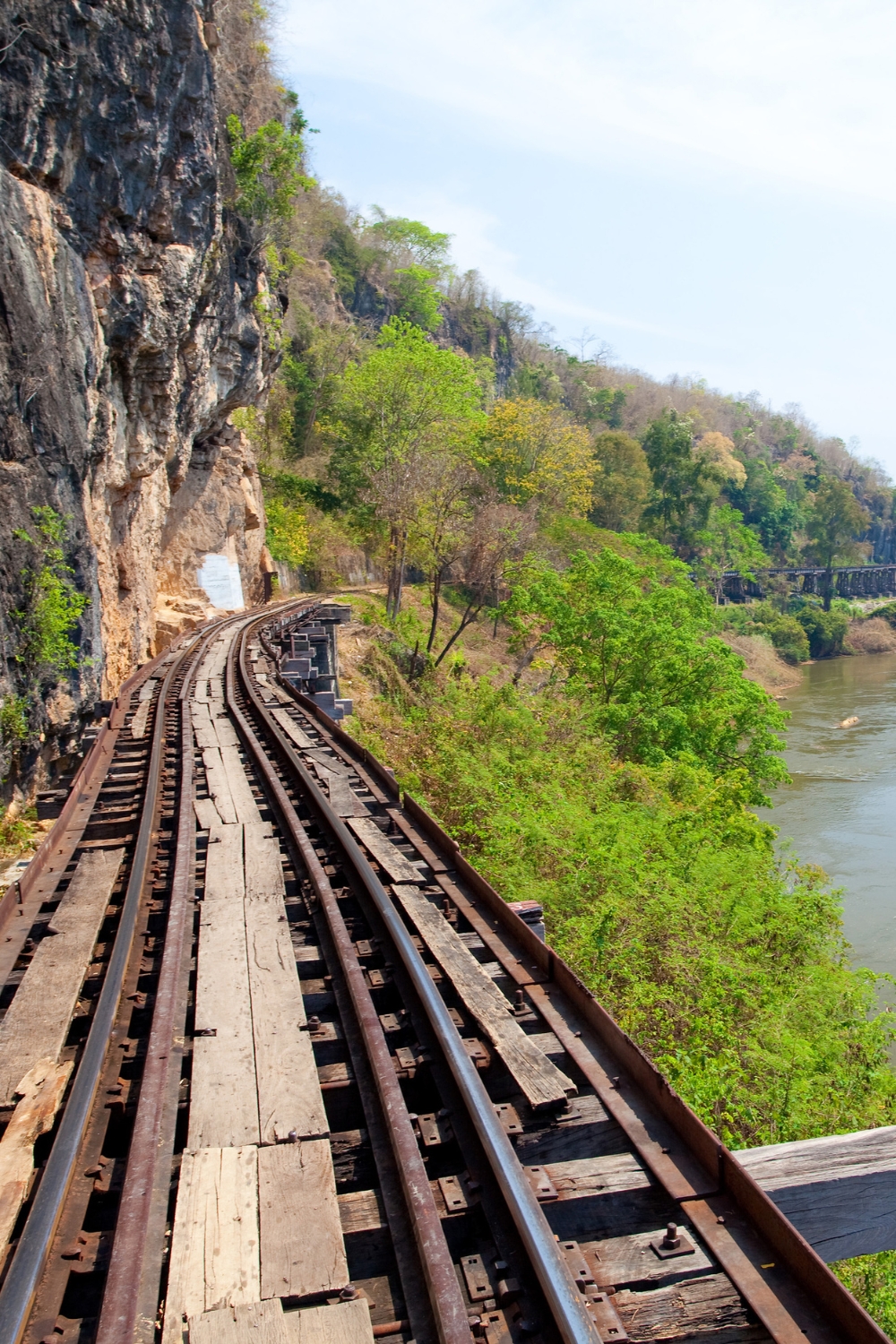
Death Railway Museum and Research Centre - Education and Remembrance

The Thailand-Burma Railway Centre serves as Southeast Asia’s most comprehensive museum dedicated to the Death Railway’s history. This world-class facility provides detailed accounts of the railway’s construction and honors those who perished during its building.

Interactive Exhibits and Historical Documentation

The museum features extensive displays of photographs, artifacts, documents, and personal accounts from survivors. Interactive exhibits help visitors understand the railway’s strategic importance and the horrific conditions faced by prisoners of war and civilian laborers.

A detailed scale model shows the entire 415-kilometer railway route through dense jungle and mountainous terrain. Personal stories from British, Australian, Dutch, and American prisoners provide powerful testimony to human endurance and suffering.

The research center maintains extensive archives and continues investigating the railway’s history. Visitors can access databases containing information about individual prisoners and workers, making it an important resource for families researching relatives’ wartime experiences.

Operating hours: 9:00 AM – 5:00 PM daily Audio guides: Available in multiple languages Research services: Genealogy assistance for families of railway workers

3. Hellfire Pass Memorial Museum – Moving War Memorial
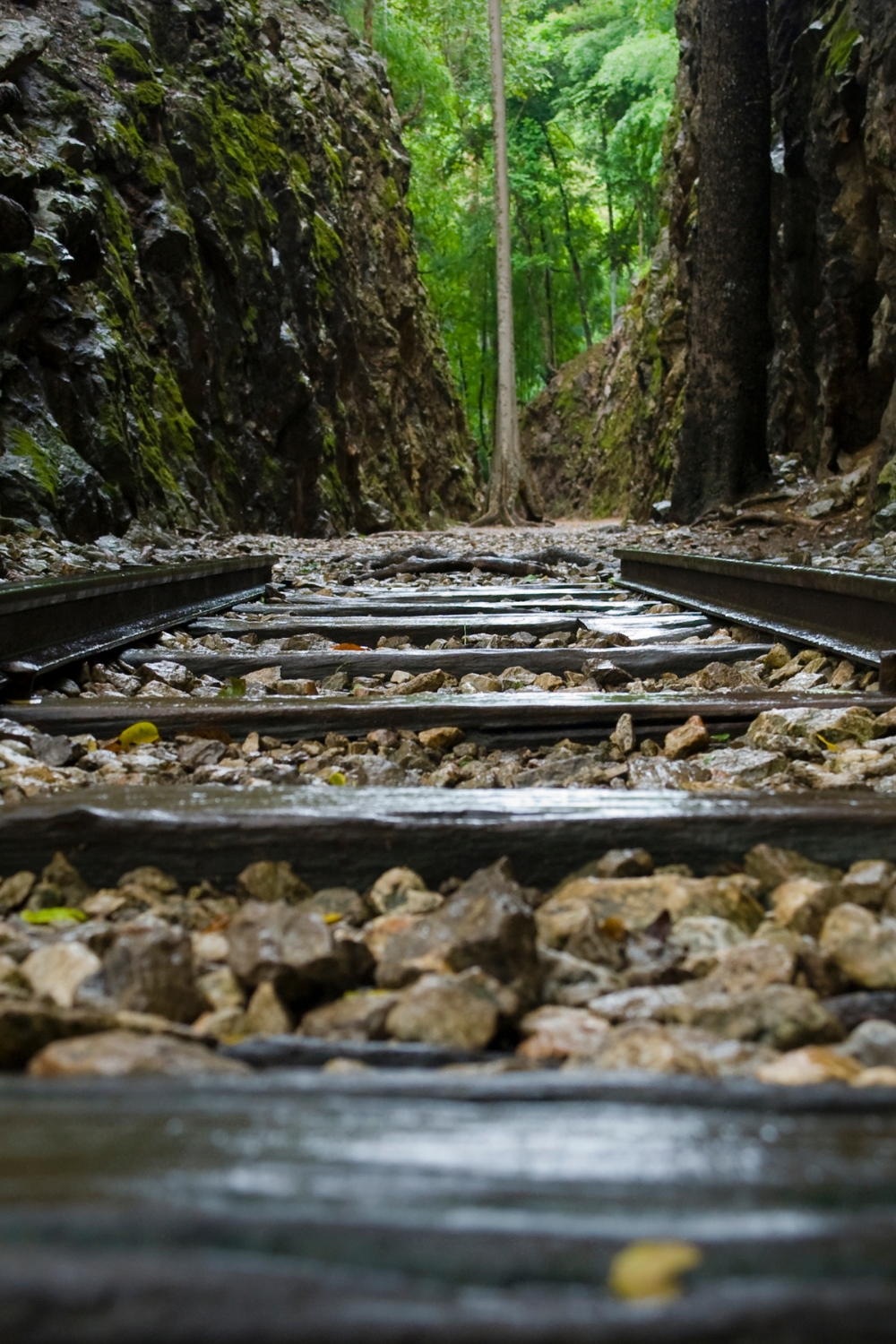
Hellfire Pass Memorial Museum - Moving War Memorial

Hellfire Pass represents the most challenging section of the Death Railway, where prisoners carved a 75-meter cutting through solid rock using only hand tools. This memorial site preserves the most brutal construction location and honors those who died building it.

Preserved Railway Cutting and Walking Trail

The museum, built and maintained by the Australian government, tells the story of the 13,000 Australian prisoners who worked on the railway. Personal accounts, photographs, and artifacts create a deeply moving experience that brings history to life.

A 4-kilometer walking trail follows the original railway route through Hellfire Pass. Interpretive signs explain construction methods and share stories of individual prisoners. The walk takes about 2 hours and provides insight into the incredible hardships faced by workers.

The pass earned its name from the hellish conditions created by round-the-clock work shifts. Prisoners worked by torchlight and firelight, creating an eerie glow that resembled scenes from hell. The museum’s audio tour includes survivor testimonies that make the history incredibly personal.

Trail difficulty: Moderate, wear comfortable walking shoes Facilities: Visitor center, rest areas, drinking water Transportation: 18 kilometers from Kanchanaburi town, organized tours available

4. Erawan National Park – Seven-Tier Waterfall Paradise
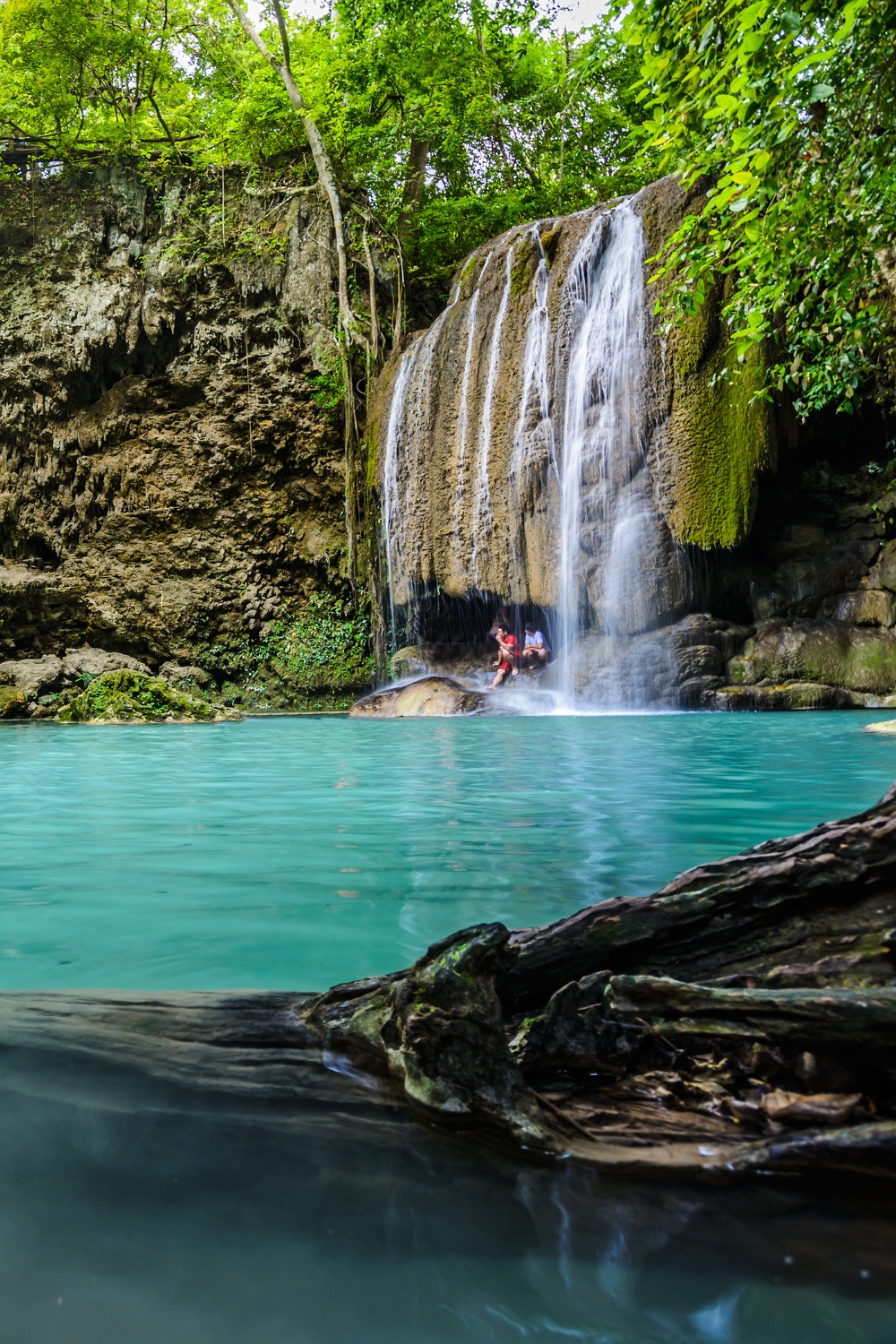
Erawan National Park - Seven-Tier Waterfall Paradise

Erawan National Park protects one of Thailand’s most beautiful waterfall systems, featuring seven distinct tiers that cascade down limestone cliffs into turquoise pools. This natural wonder offers swimming, hiking, and wildlife viewing in pristine jungle surroundings.

Multi-Level Waterfall System and Swimming Opportunities

The Erawan Falls climb 2 kilometers up a hillside, with each tier offering unique characteristics and swimming opportunities. The lower levels are easily accessible, while upper tiers require moderate hiking through tropical forest.

Level 1 (Hlai Keun Lung) features wide, shallow pools perfect for families with children. Level 2 (Wung Macha) offers deeper swimming areas surrounded by smooth rocks. Level 3 (Pha Nam Tok) provides the most popular swimming spot with crystal-clear pools.

Higher levels become progressively more challenging to reach but offer greater rewards. Level 7 (Phu Pha Erawan) resembles a three-headed elephant, giving the waterfall its name from Hindu mythology. The hike to the top takes 2-3 hours but rewards visitors with spectacular views.

Best visiting time: November to April during dry season Swimming tips: Bring water shoes for rocky surfaces Wildlife: Monkeys, tropical birds, butterflies, and monitor lizards

5. Sai Yok National Park – River Adventures and Cave Exploration
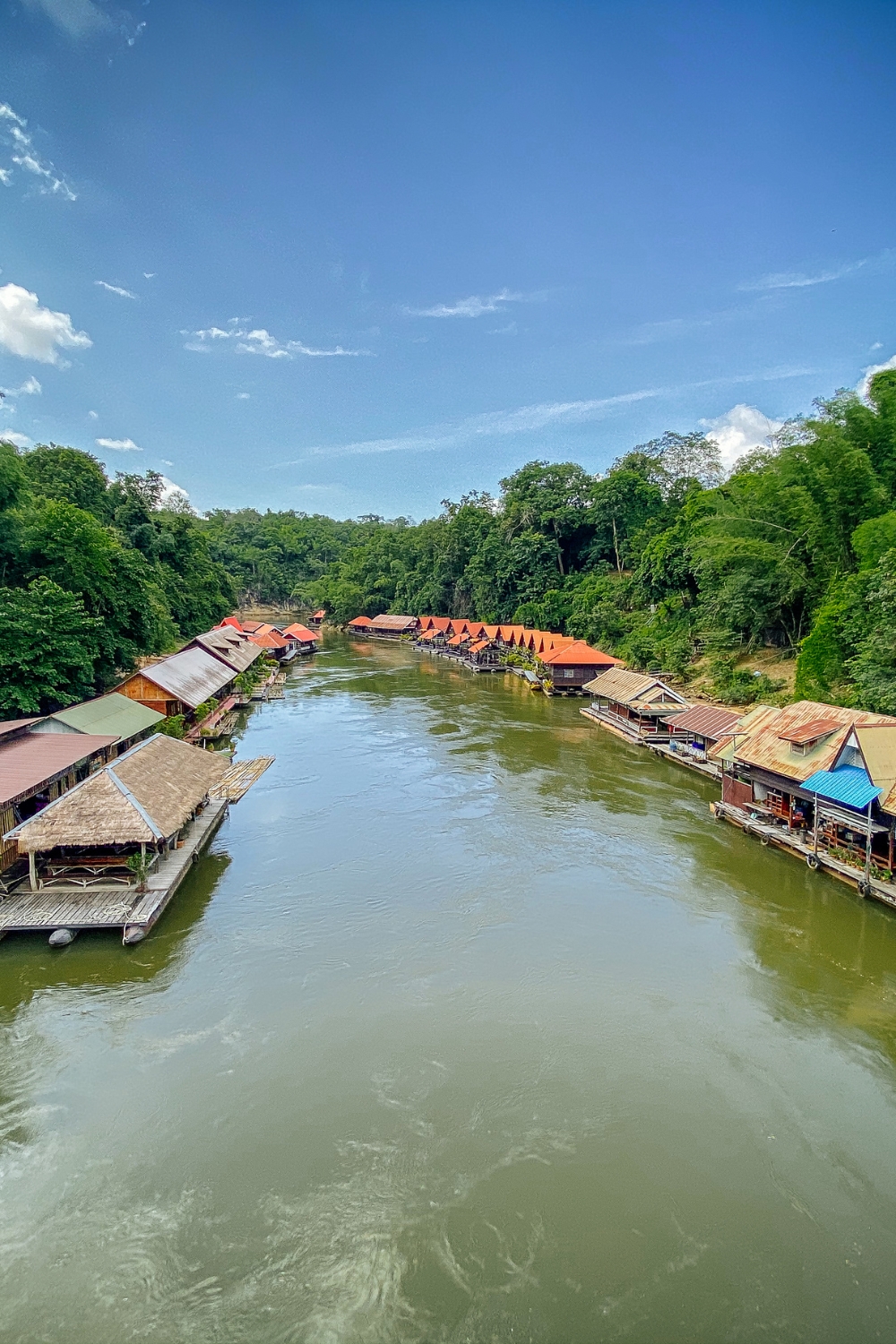
Sai Yok National Park - River Adventures and Cave Exploration

Sai Yok National Park encompasses diverse ecosystems along the Kwai Noi River, featuring limestone caves, smaller waterfalls, and opportunities for river rafting and bamboo floating. This park offers a more adventurous alternative to the popular Erawan Falls.

Sai Yok Waterfall and Lawa Cave System

Sai Yok Waterfall flows directly into the Kwai Noi River, creating a unique swimming experience where visitors can enjoy both river and waterfall waters. The falls are smaller than Erawan but offer a more secluded and peaceful atmosphere.

Lawa Cave extends several kilometers into limestone cliffs and contains impressive stalactite and stalagmite formations. The cave system requires headlamps and can be explored with guided tours. Archaeological evidence suggests human habitation dating back thousands of years.

River activities include bamboo rafting, kayaking, and longtail boat trips through scenic jungle landscapes. Several floating restaurants along the river serve fresh fish and traditional Thai cuisine while providing peaceful dining experiences surrounded by nature.

River activities: Bamboo rafting, kayaking, fishing Accommodation: Floating raft houses, jungle bungalows Cave exploration: Guided tours with proper lighting equipment

6. War Cemeteries – Solemn Places of Remembrance
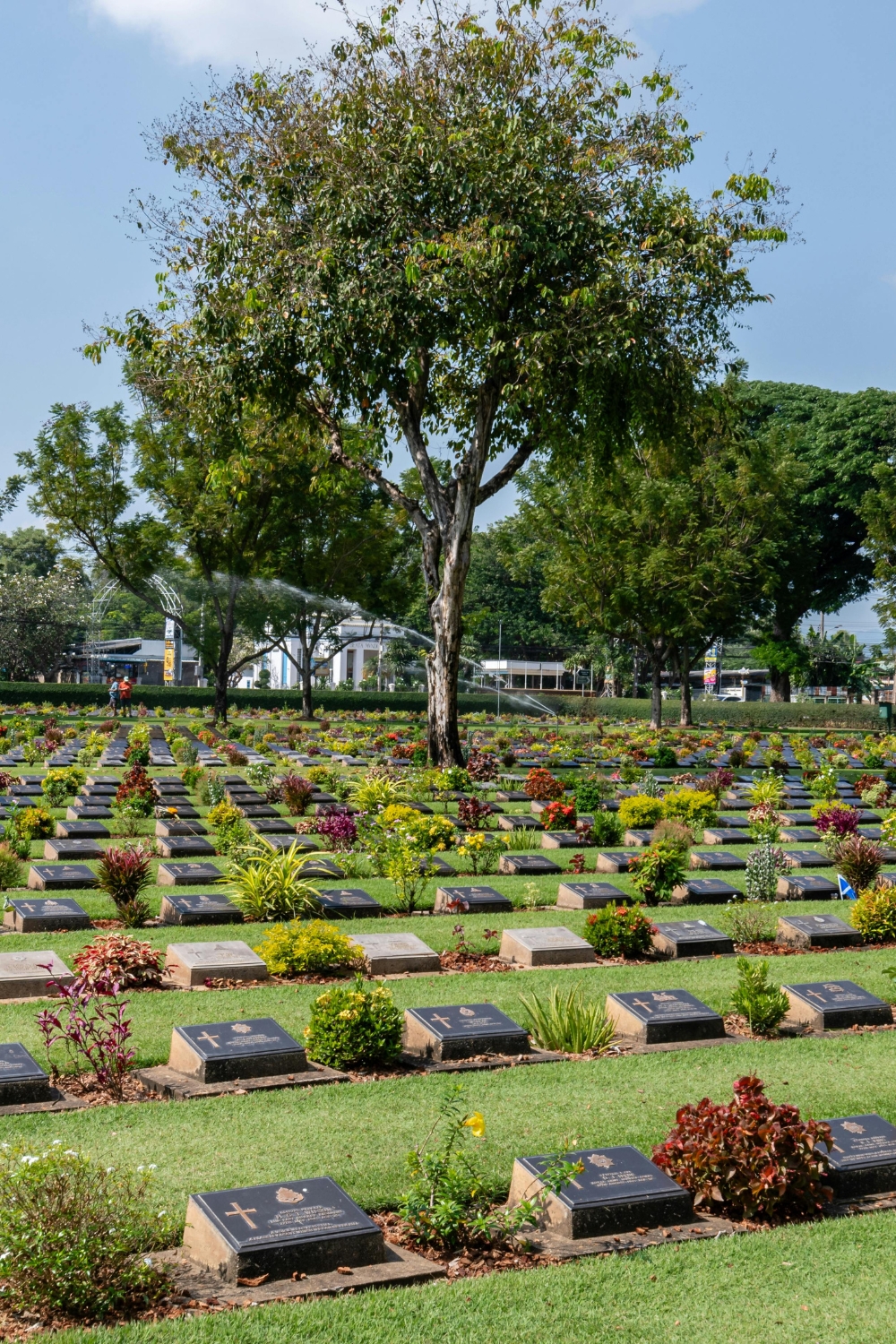
War Cemeteries - Solemn Places of Remembrance

Kanchanaburi contains two beautifully maintained Allied war cemeteries that provide final resting places for prisoners of war who died building the Death Railway. These peaceful memorials offer quiet spaces for reflection and remembrance.

Kanchanaburi War Cemetery and Chong-Kai War Cemetery

Kanchanaburi War Cemetery, also known as Don-Rak War Cemetery, contains 6,982 graves of British, Australian, Dutch, and other Allied prisoners. The Commonwealth War Graves Commission maintains the cemetery with meticulous care, ensuring each grave receives proper honor.

Chong-Kai War Cemetery, located beside the Kwai Noi River, holds 1,750 graves in a more intimate setting. This cemetery was built on the site of a former prisoner of war hospital and contains the graves of many who died from disease and malnutrition.

Both cemeteries feature beautiful gardens, memorial walls, and visitor centers with information about those buried there. The perfectly maintained grounds provide peaceful environments for contemplation and paying respects to those who made the ultimate sacrifice.

Visiting hours: Dawn to dusk daily Visitor facilities: Information centers, parking, restrooms Commemoration services: Annual ANZAC Day ceremonies in April

7. Wat Tham Sua (Tiger Cave Temple) – Spiritual Mountain Climb
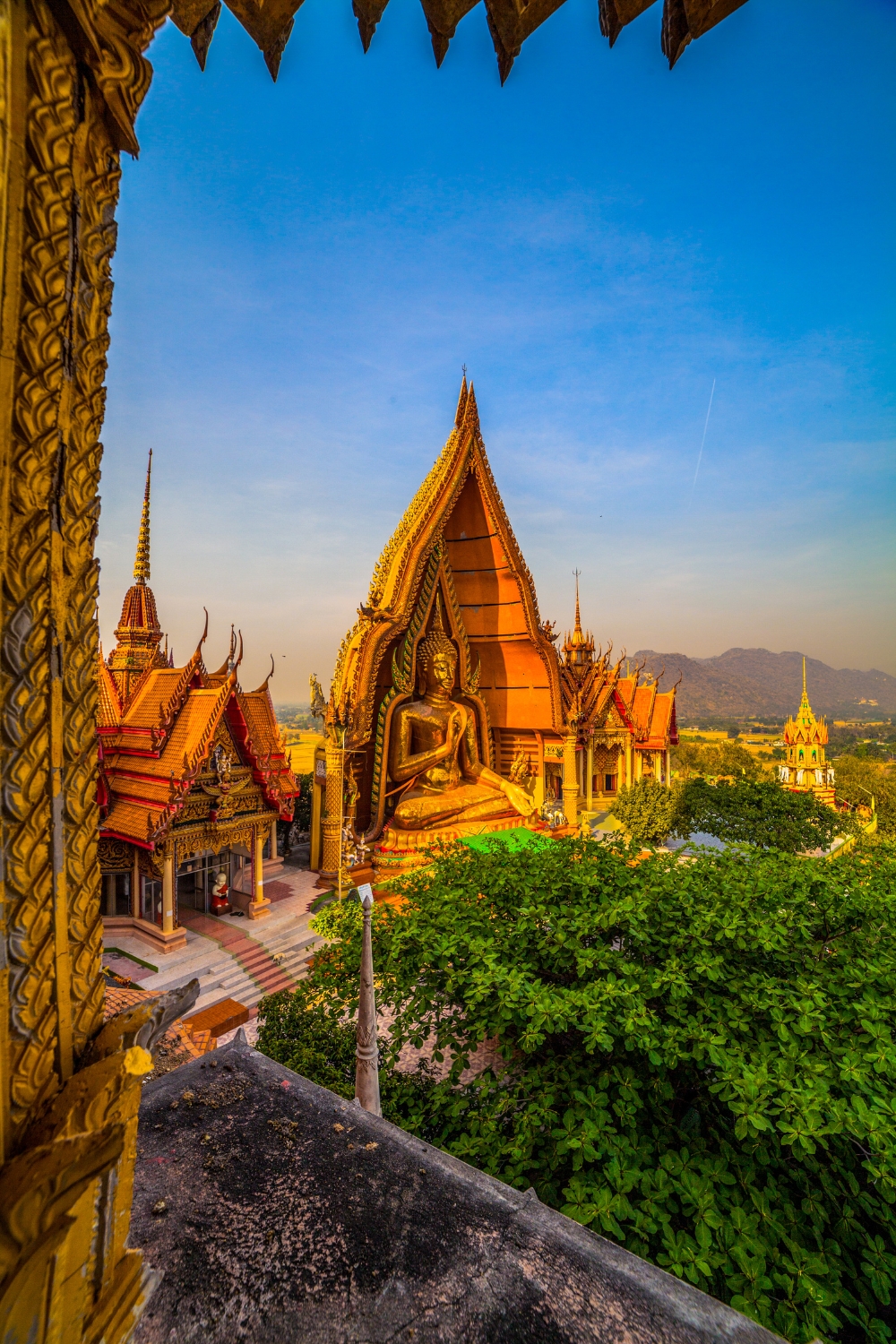
Wat Tham Sua (Tiger Cave Temple) - Spiritual Mountain Climb

Wat Tham Sua offers one of Kanchanaburi’s most rewarding spiritual and physical challenges, requiring visitors to climb 157 steps up a limestone mountain to reach stunning temple buildings and panoramic valley views.

Mountain Temple Complex and Meditation Caves

The temple’s name comes from tiger paw prints found in limestone caves, though no tigers remain in the area today. The main temple buildings feature beautiful architecture and house revered Buddha images that attract Buddhist pilgrims from across Thailand.

The climb to the summit temple tests physical fitness but rewards visitors with spectacular 360-degree views of Kanchanaburi province. The golden chedi (pagoda) at the peak creates a dramatic silhouette against mountain backdrops.

Several meditation caves within the mountain provide quiet spaces for reflection and spiritual practice. Monks often use these caves for extended meditation retreats, following ancient Buddhist traditions of forest monastery practice.

Climbing difficulty: Moderate to challenging, 157 steep steps Best time: Early morning or late afternoon to avoid heat Dress code: Cover shoulders and knees, remove shoes in temple buildings

8. Kanchanaburi Town and Floating Restaurants – Cultural Center
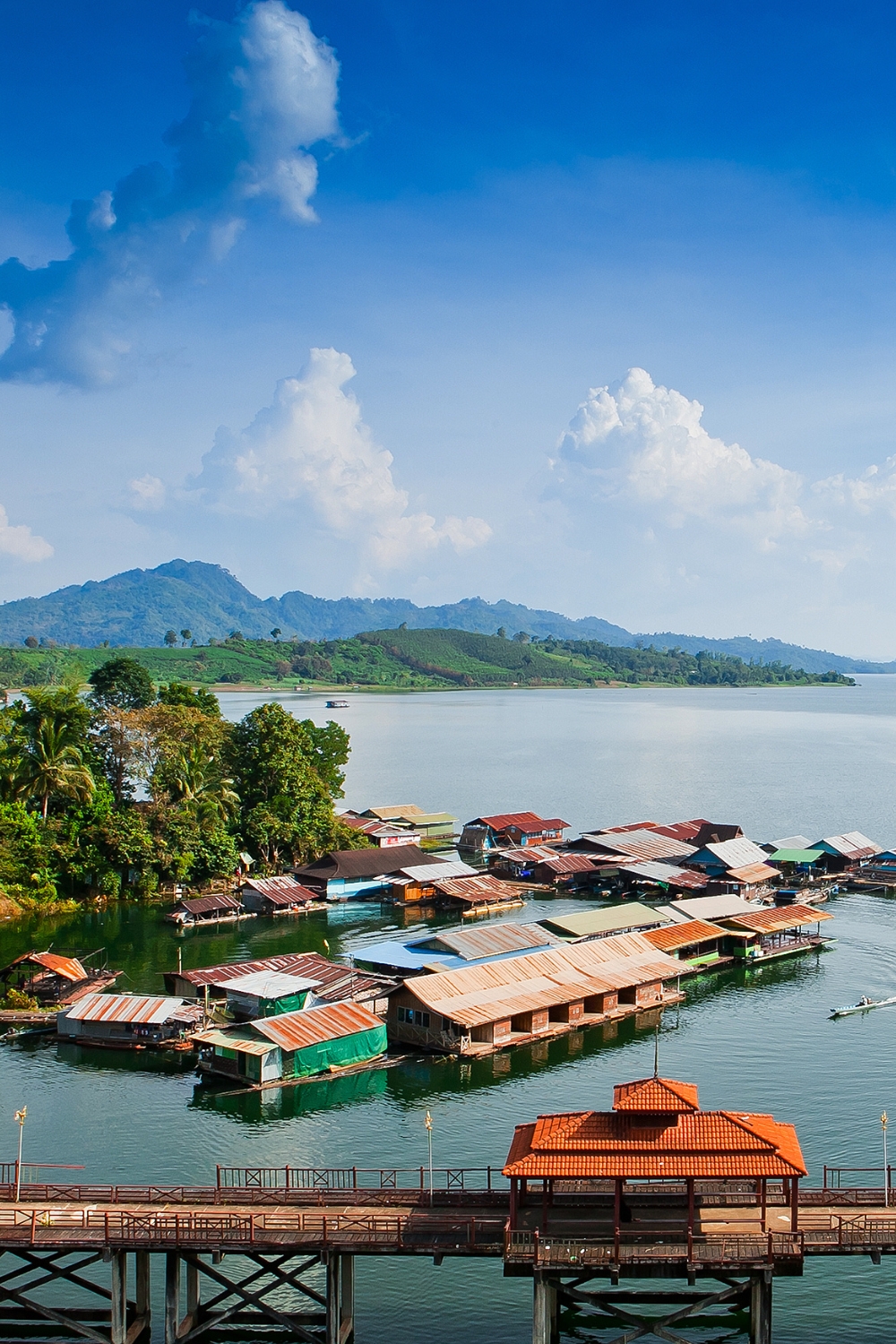
Kanchanaburi Town and Floating Restaurants - Cultural Center

Kanchanaburi town serves as the province’s cultural and commercial center, offering night markets, riverside restaurants, and authentic local experiences. The town provides excellent bases for exploring surrounding attractions while experiencing genuine Thai provincial life.

Riverside Dining and Night Market Culture

Floating restaurants along the Mae Klong and Kwai Rivers offer unique dining experiences where tables are built on platforms over the water. These restaurants specialize in fresh river fish, traditional Thai curries, and local specialties while providing peaceful evening ambiance.

The town’s night market comes alive after 6:00 PM with food stalls, handicraft vendors, and local products. Visitors can sample regional specialties like som tam (papaya salad), grilled fish, and sticky rice while experiencing authentic Thai market culture.

Several temples within town offer opportunities for cultural learning and spiritual experiences. Local festivals throughout the year showcase traditional music, dance, and religious ceremonies that provide insight into rural Thai culture.

Night market hours: 6:00 PM – 11:00 PM daily Floating restaurant specialties: Fresh river fish, tom yum soup, Thai curries Cultural activities: Temple visits, traditional massage, local festivals

9. Prasat Muang Singh Historical Park – Ancient Khmer Ruins
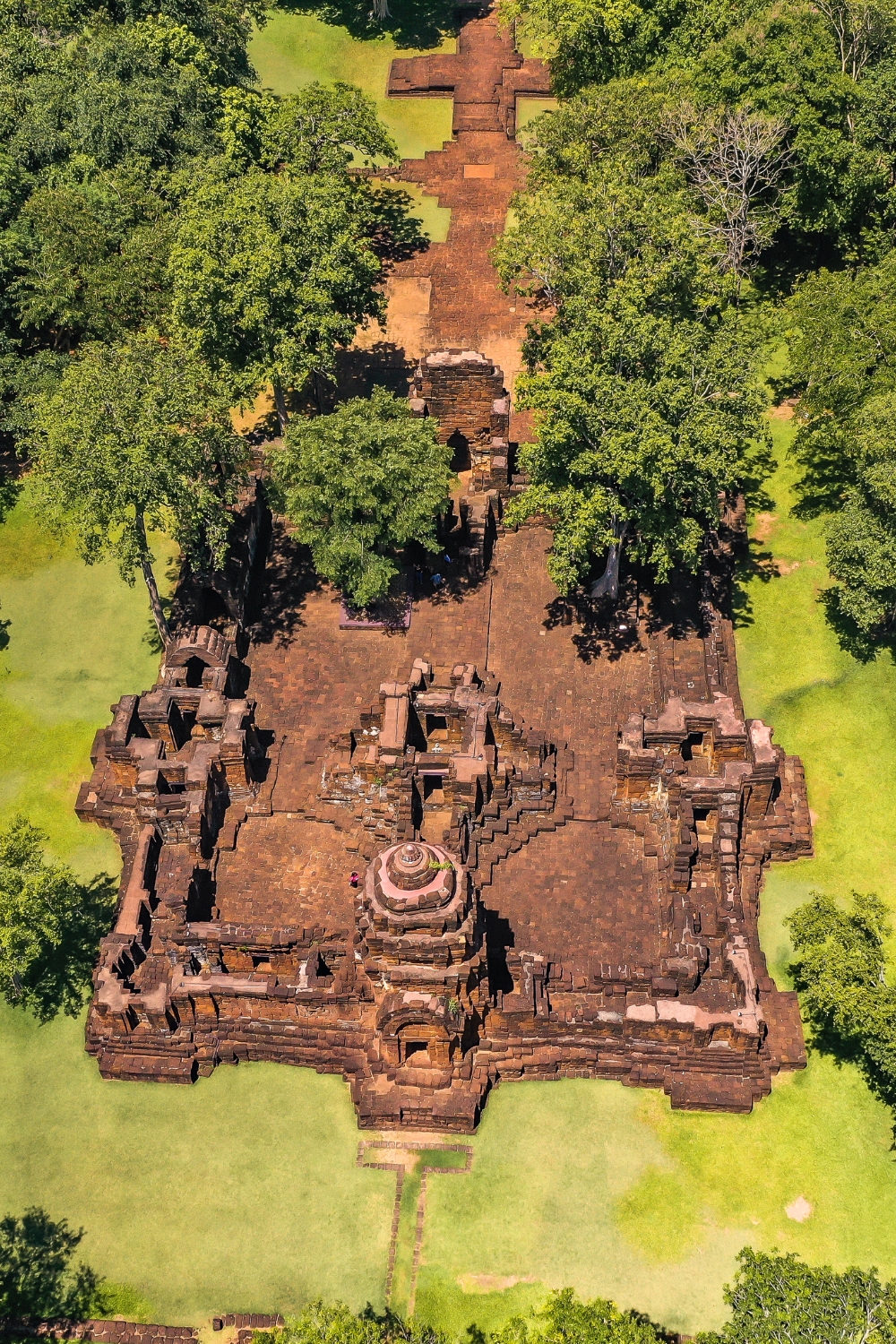
Prasat Muang Singh Historical Park - Ancient Khmer Ruins

Prasat Muang Singh preserves the westernmost Khmer temple complex in Thailand, dating from the 13th century when the Khmer Empire extended its influence throughout Southeast Asia. These ancient ruins provide insight into pre-Thai civilizations.

Khmer Architecture and Archaeological Discoveries

The main temple structure displays classic Khmer architectural features including laterite construction, intricate stone carvings, and Hindu-Buddhist religious symbolism. The temple was dedicated to Hindu deities but shows Buddhist influences from later periods.

Archaeological excavations have uncovered artifacts including pottery, tools, and religious objects that provide evidence of ancient trade routes and cultural exchange. The site museum displays these discoveries alongside information about Khmer civilization.

The park’s peaceful setting beside the Kwai Noi River creates an atmospheric location for exploring ancient history. Walking paths connect different temple structures while interpretive signs explain architectural features and historical significance.

Historical period: 13th century Khmer Empire Architectural style: Bayon period Khmer temple design Museum exhibits: Archaeological artifacts, historical timeline, cultural displays

10. Srinakarin Dam and Huai Mae Khamin Waterfall – Natural Recreation Area
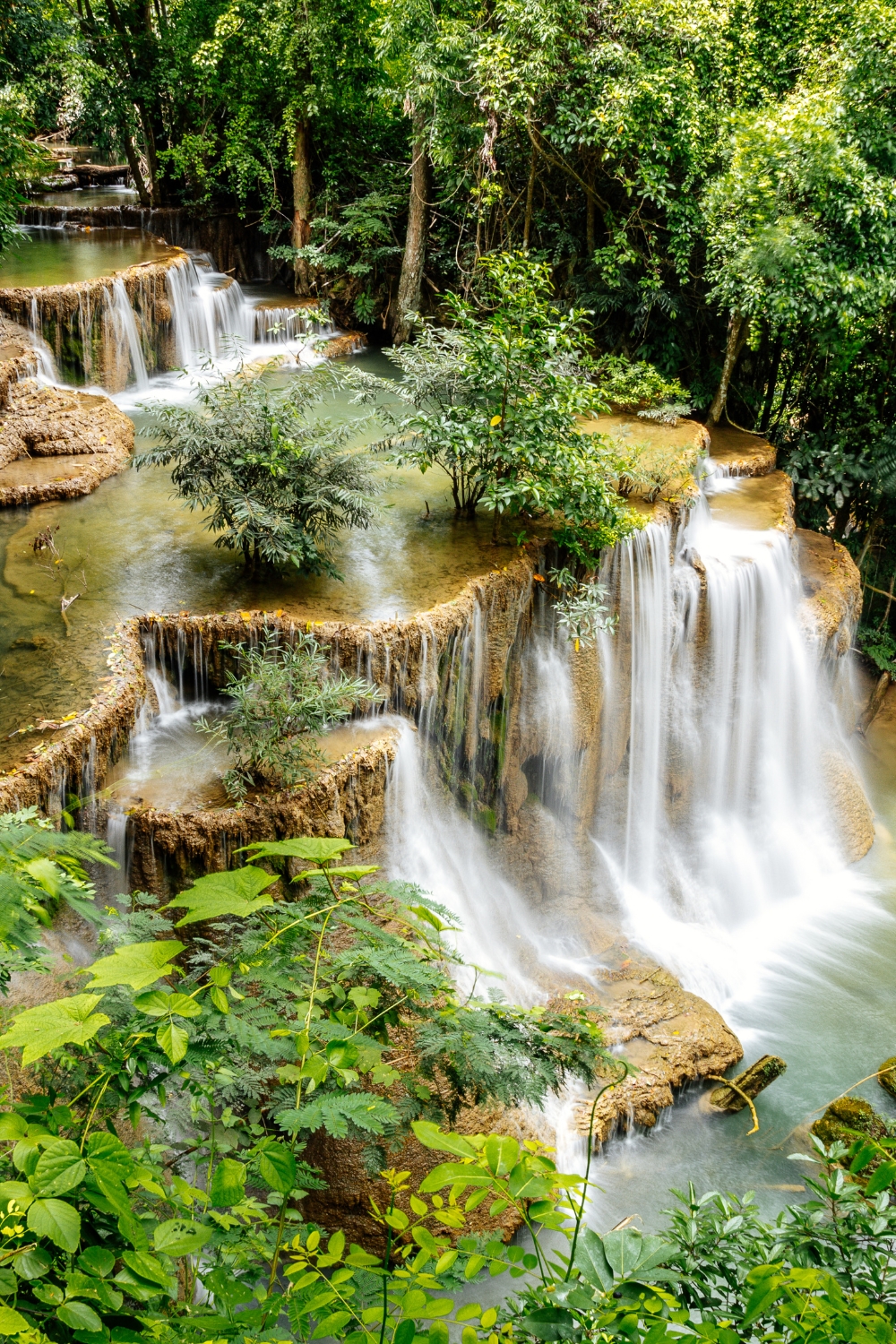
Srinakarin Dam and Huai Mae Khamin Waterfall - Natural Recreation Area

Srinakarin Dam creates a large reservoir surrounded by forested mountains, while nearby Huai Mae Khamin Waterfall offers another spectacular multi-tier cascade system. This area provides water sports, hiking, and pristine natural beauty.

Lake Activities and Seven-Tier Waterfall System

The reservoir offers opportunities for boating, fishing, water skiing, and swimming in clean mountain water. Several resorts around the lake provide accommodation and equipment rental for water sports enthusiasts.

Huai Mae Khamin Waterfall features seven distinct levels, each with unique characteristics and swimming opportunities. The waterfall system is less crowded than Erawan Falls but equally beautiful, with limestone pools and tropical forest surroundings.

The area supports diverse wildlife including elephants, deer, wild boar, and numerous bird species. Early morning and evening visits offer the best chances for wildlife viewing along forest trails and lake shores.

Water activities: Boating, fishing, swimming, water skiing Waterfall access: 6-kilometer drive from main road, then 20-minute walk Wildlife viewing: Best during early morning and late afternoon

Planning Your Kanchanaburi Adventure

Getting to Kanchanaburi

Kanchanaburi is easily accessible from Bangkok by train, bus, or private vehicle. The most scenic option is taking the train from Bangkok’s Thonburi Station, which crosses the famous bridge and takes about 3 hours. Buses depart regularly from Bangkok’s Southern Bus Terminal and take approximately 2.5 hours.

Best Time to Visit

The ideal time to visit Kanchanaburi is during the cool dry season from November to February, when temperatures are comfortable and rainfall is minimal. March to May can be very hot, while June to October brings heavy rains that may affect outdoor activities.

Accommodation Options

Kanchanaburi offers accommodation ranging from budget guesthouses to luxury resorts. Floating raft houses on the river provide unique experiences, while jungle lodges near national parks offer immersive nature experiences.

Transportation Within the Province

Renting a motorbike or car provides the most flexibility for exploring multiple attractions. Organized tours are available for those preferring guided experiences. Local songthaews (shared taxis) connect major attractions, though schedules can be irregular.

Essential Travel Tips

Respectful Tourism

When visiting war memorials and cemeteries, maintain respectful behavior and dress appropriately. These sites commemorate real human tragedy and deserve solemn respect from all visitors.

Natural Area Guidelines

National parks require entrance fees and have specific regulations about wildlife interaction and environmental protection. Stay on designated trails, don’t feed animals, and carry out all trash.

Cultural Sensitivity

Dress modestly when visiting temples, covering shoulders and knees. Remove shoes before entering temple buildings and maintain quiet, respectful behavior during religious ceremonies.

Safety Considerations

Swimming in waterfalls and rivers requires caution as currents can be strong and rocks slippery. Use proper safety equipment for adventure activities and inform others of your plans when hiking alone.

Conclusion

Kanchanaburi offers a profound travel experience that combines historical education with natural beauty and cultural immersion. From the sobering lessons of the Death Railway to the refreshing cascades of Erawan Falls, this province provides memories that last a lifetime.

The region’s tragic wartime history serves as a powerful reminder of human resilience and the importance of peace, while its stunning natural attractions showcase Thailand’s incredible biodiversity and scenic beauty. Local communities maintain their traditional ways of life while welcoming visitors with genuine Thai hospitality.

Whether you’re seeking historical understanding, natural adventures, or spiritual experiences, Kanchanaburi delivers on all fronts. The province’s proximity to Bangkok makes it an perfect destination for day trips or extended stays, while its diverse attractions ensure multiple visits reveal new discoveries.

Plan your Kanchanaburi journey with respect for its history, appreciation for its natural beauty, and openness to cultural learning. This remarkable province will provide insights into Thailand’s complex past while creating unforgettable memories of its present beauty.
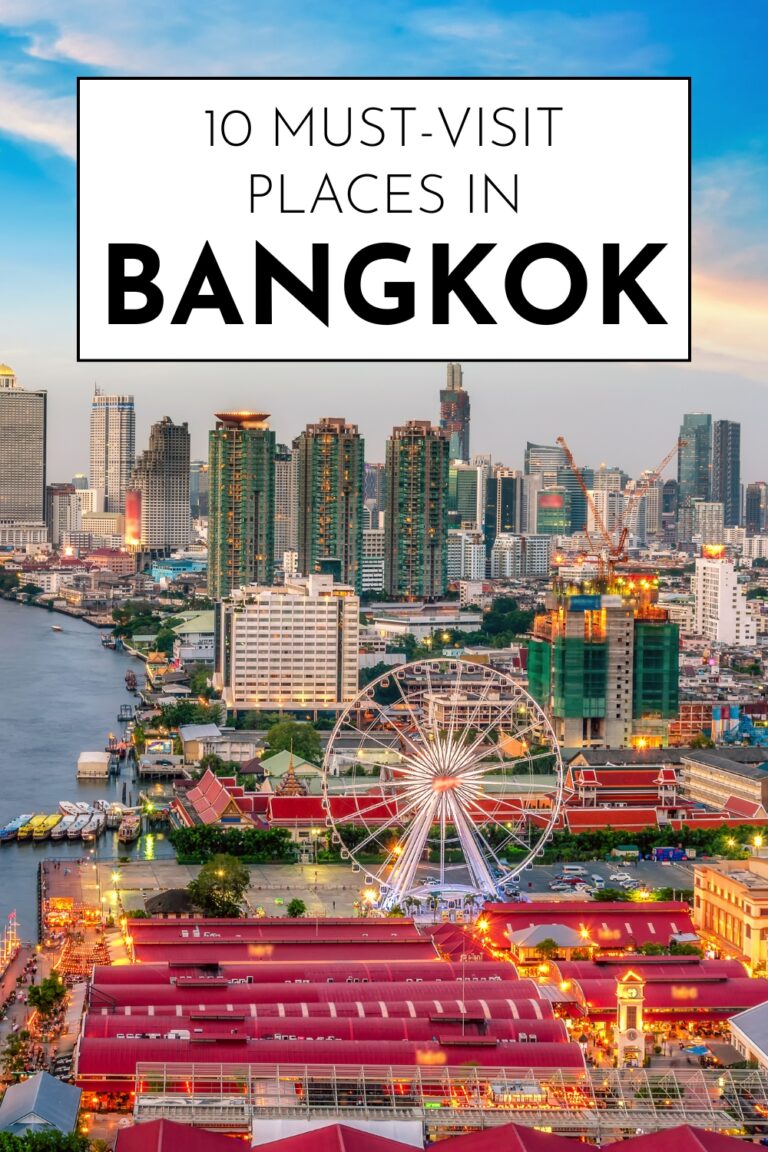
Bangkok, Thailand’s vibrant capital city, is a mesmerizing blend of ancient traditions and modern energy that captivates millions of visitors each year. This bustling metropolis offers an incredible mix of golden temples, floating markets, world-class shopping, delicious street food, and exciting nightlife.

From sacred Buddhist temples that showcase centuries of history to modern skyscrapers that pierce the clouds, Bangkok presents a fascinating contrast at every corner. Whether you’re seeking spiritual experiences, cultural immersion, culinary adventures, or urban excitement, this dynamic city delivers unforgettable memories.

The “City of Angels” welcomes travelers with warm Thai hospitality and endless discoveries. Street vendors serve aromatic pad thai while monks in orange robes walk past gleaming shopping malls, creating scenes that perfectly capture Bangkok’s unique character.

Let’s explore the ten most spectacular destinations that make Bangkok an essential stop for travelers exploring Southeast Asia.

1. Grand Palace – Thailand’s Crown Jewel

Grand Palace - Thailand's Crown Jewel

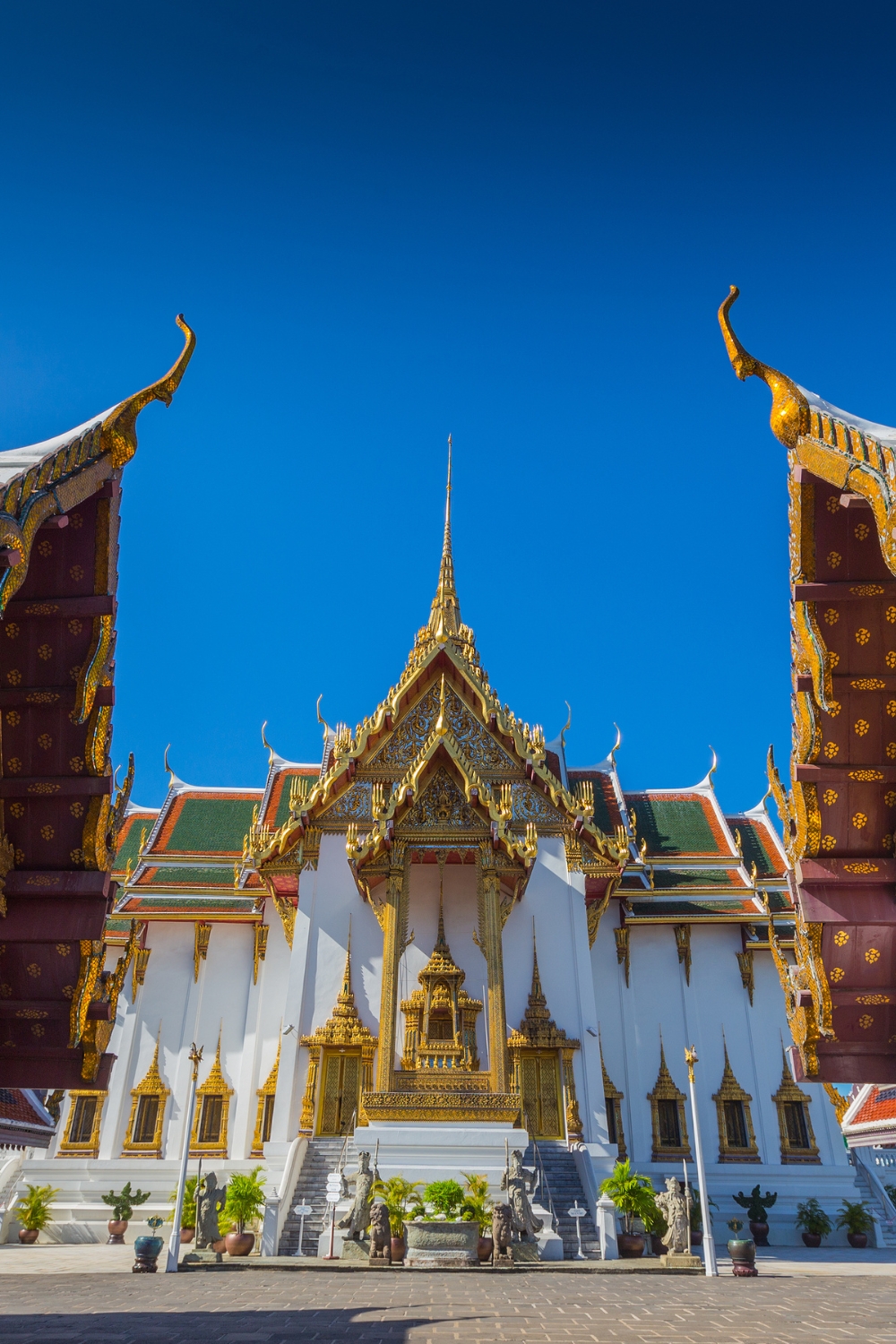
The Grand Palace stands as Bangkok’s most magnificent landmark and Thailand’s most important cultural site. This sprawling complex served as the royal residence for 150 years and remains the spiritual heart of the Thai kingdom.

Royal Architecture and Sacred Temples

Built in 1782, the Grand Palace covers 54 acres and houses over 100 buildings showcasing traditional Thai architecture. The intricate details, golden spires, and colorful murals demonstrate the incredible craftsmanship of Thai artisans.

Within the palace grounds, you’ll find Wat Phra Kaew (Temple of the Emerald Buddha), Thailand’s most sacred temple. The revered Emerald Buddha statue, carved from a single piece of jade, sits atop a golden altar and draws Buddhist pilgrims from around the world.

The Chakri Maha Prasat Hall blends Thai and European architectural styles, while the Dusit Maha Prasat Hall showcases pure Thai design with its soaring spires and intricate decorations.

Best time to visit: Early morning (8:30 AM) to avoid crowds and heat

Dress code: Cover shoulders and knees, no shorts or sleeveless tops

Key highlights: Emerald Buddha, Chakri Maha Prasat Hall, stunning murals, golden stupas

2. Wat Pho – Temple of the Reclining Buddha

Wat Pho - Temple of the Reclining Buddha

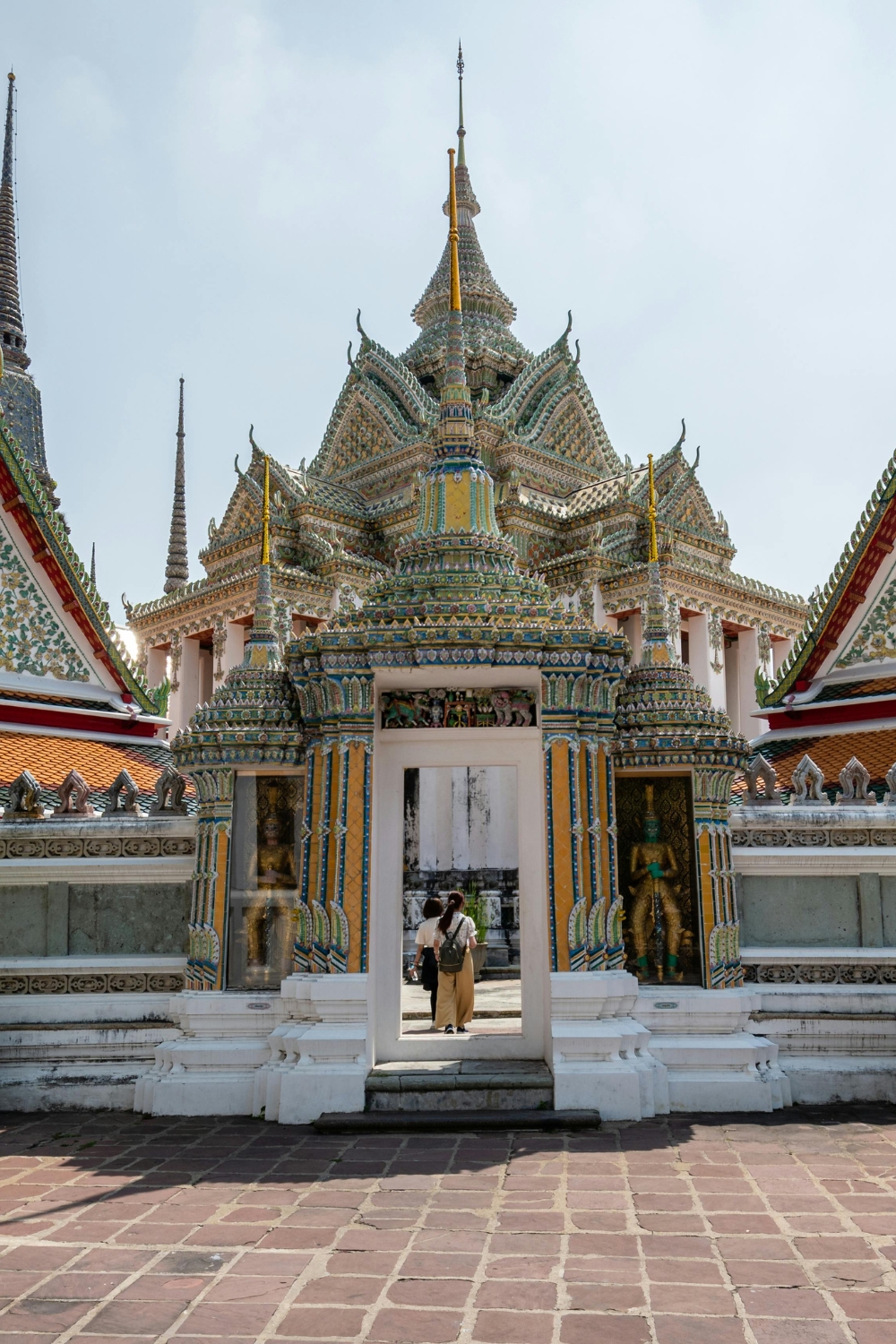
Wat Pho is Bangkok’s largest and oldest temple complex, famous for housing a massive reclining Buddha statue and serving as Thailand’s first university. This UNESCO World Heritage site represents the pinnacle of Thai Buddhist art and culture.

Ancient Wisdom and Traditional Healing

The temple’s centerpiece is the 46-meter-long golden reclining Buddha, representing the Buddha’s entry into Nirvana. The statue’s feet feature intricate mother-of-pearl inlays depicting the 108 auspicious characteristics of Buddha.

Wat Pho is also renowned as the birthplace of traditional Thai massage. The temple houses a massage school where you can experience authentic Thai healing techniques performed by certified practitioners in a spiritual setting.

The complex contains over 1,000 Buddha images and 95 stupas, making it a treasure trove of Buddhist art. The temple’s libraries preserve ancient manuscripts and traditional medical knowledge passed down through generations.

Operating hours: 8:00 AM – 6:30 PM daily

Special experiences: Traditional Thai massage, meditation sessions

Cultural significance: Thailand’s first public university, traditional medicine center

3. Wat Arun – Temple of Dawn

Wat Arun - Temple of Dawn

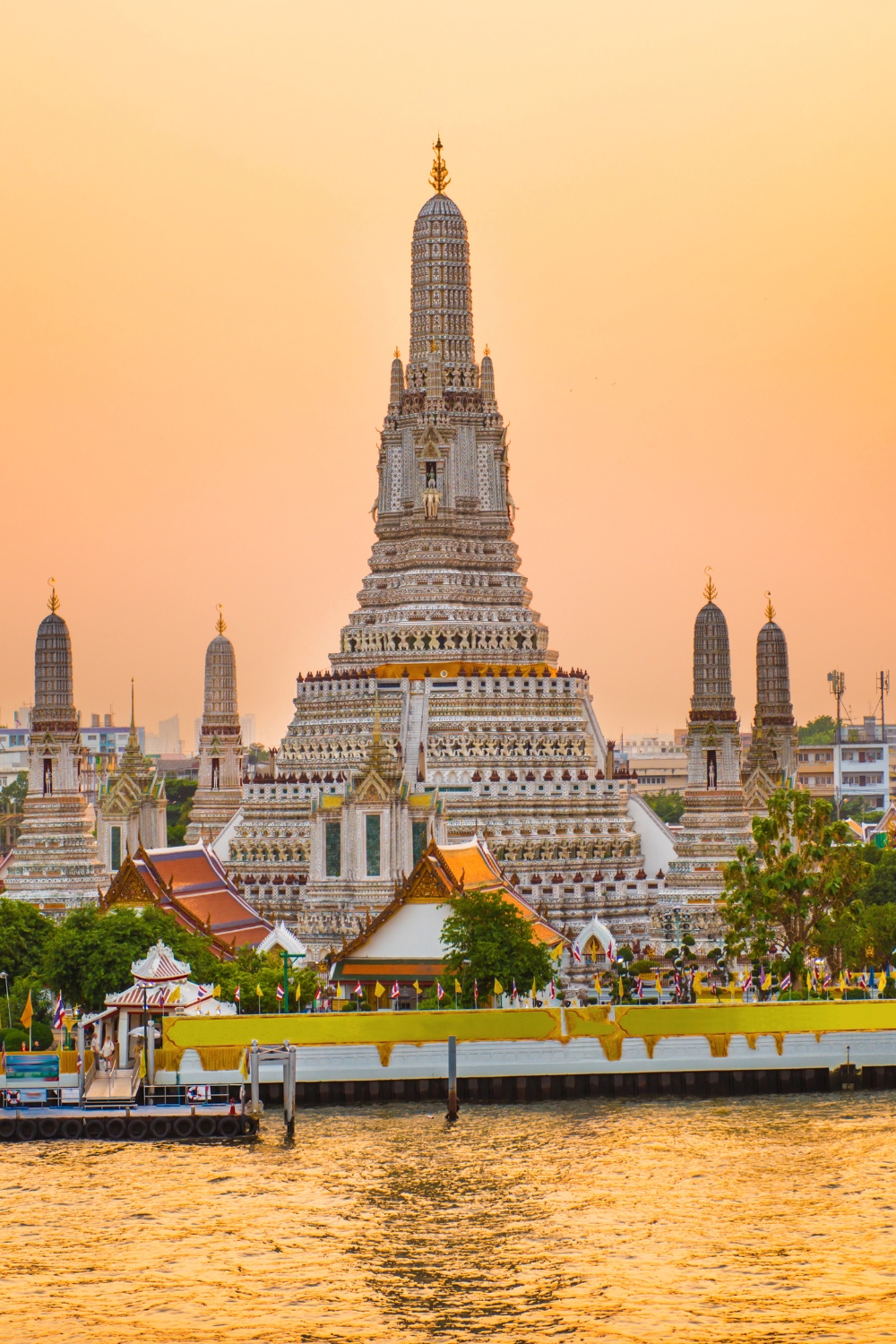
Wat Arun rises majestically from the banks of the Chao Phraya River, creating one of Bangkok’s most iconic silhouettes. This stunning temple, named after the Hindu god of dawn, offers breathtaking views and represents the architectural beauty of the Ayutthaya period.

Riverside Beauty and Panoramic Views

The temple’s central prang (tower) soars 82 meters high, decorated with millions of colorful ceramic pieces and seashells that create a shimmering effect in sunlight. The intricate mosaic work depicts scenes from Hindu and Buddhist mythology.

Climbing the steep steps to the tower’s upper levels rewards visitors with spectacular panoramic views of the Chao Phraya River and Bangkok’s skyline. The temple looks particularly magical during sunrise and sunset when golden light illuminates its ornate facades.

Four smaller prangs surround the main tower, each dedicated to the wind god Phra Phai. The temple grounds also feature beautiful gardens and smaller halls where monks conduct daily ceremonies.

Best viewing times: Sunrise (6:00 AM) and sunset (6:00 PM)

Access: Take a ferry across Chao Phraya River from Tha Tien Pier

Photography tip: Best photos from across the river during golden hour

4. Chatuchak Weekend Market – Shopping Paradise

Chatuchak Weekend Market - Shopping Paradise

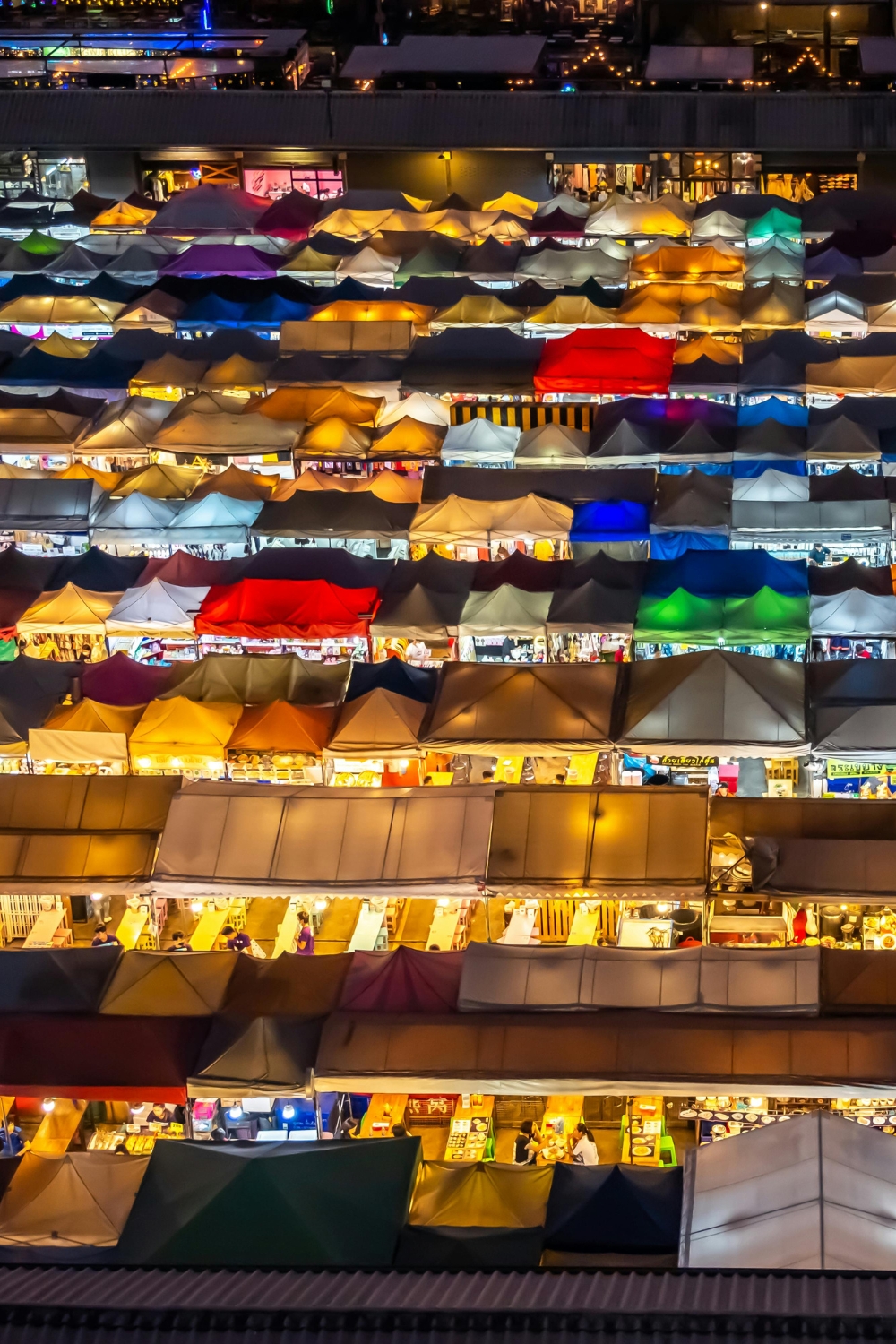
Chatuchak Weekend Market is one of the world’s largest markets, covering 35 acres with over 15,000 stalls selling everything imaginable. This shopping paradise attracts 200,000 visitors each weekend and offers an authentic Thai market experience.

Endless Shopping and Local Discoveries

The market is organized into 27 sections, each specializing in different products. You’ll find handmade crafts, vintage clothing, antiques, artwork, home decor, plants, and countless souvenirs representing Thailand’s rich culture.

Section 1 features antiques and collectibles, while Section 2-6 focus on clothing and accessories. Sections 8-26 offer handicrafts, home decor, books, and specialty items. The market’s food courts serve delicious Thai street food at incredibly affordable prices.

Bargaining is expected and part of the fun experience. Start by offering 50-70% of the asking price and negotiate friendly. Many vendors speak basic English, making communication easier for international visitors.

Open days: Saturday and Sunday, 9:00 AM – 6:00 PM

Getting there: BTS Skytrain to Mo Chit Station or MRT to Chatuchak Park Station

Shopping tips: Bring cash, wear comfortable shoes, start early to beat crowds and heat

5. Khao San Road – Backpacker Haven

Khao San Road - Backpacker Haven

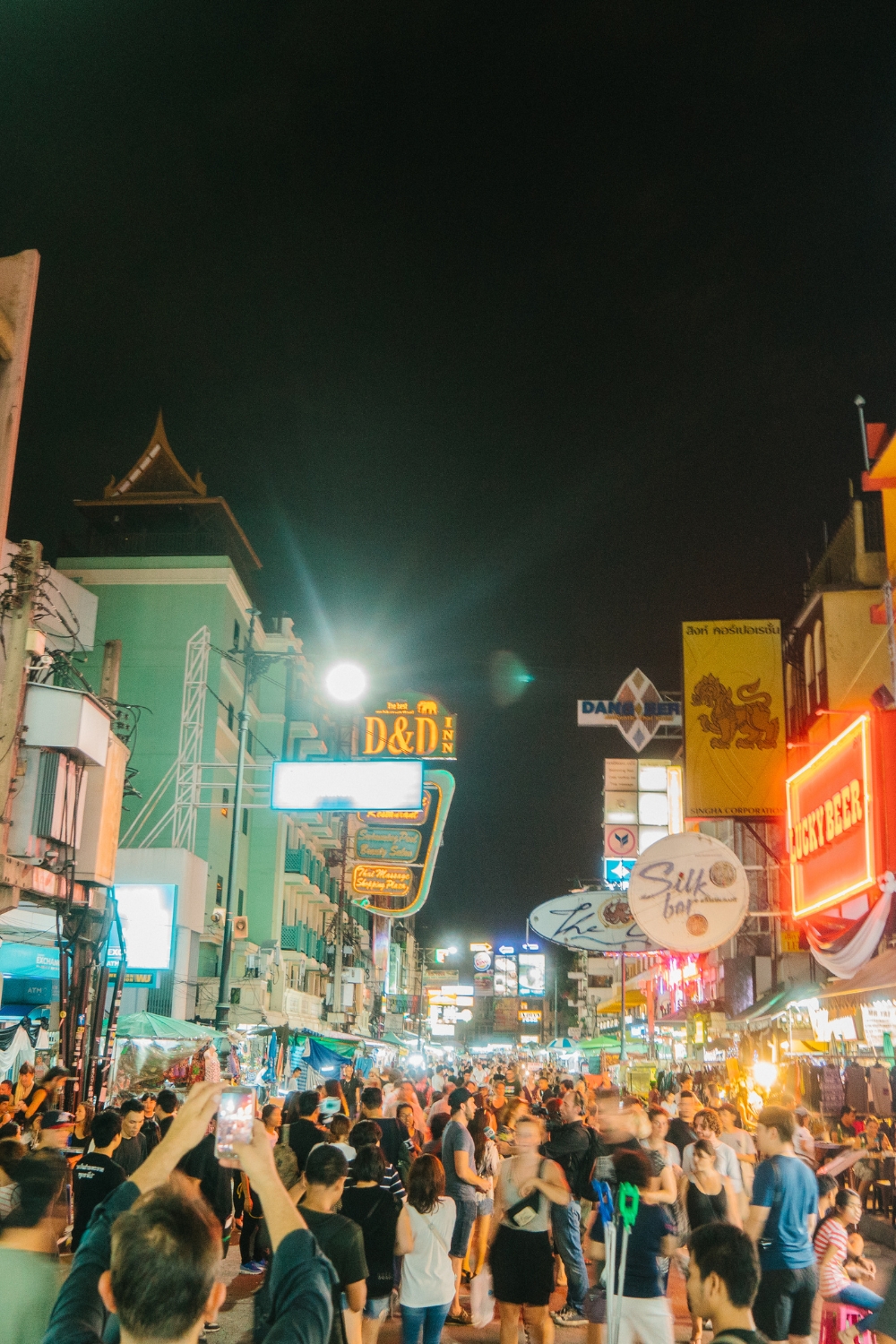
Khao San Road is Bangkok’s legendary backpacker street, packed with budget accommodations, street food, bars, and shops selling everything travelers need. This vibrant area pulses with energy 24/7 and serves as a cultural melting pot for visitors from around the globe.

Street Life and Cultural Exchange

During the day, Khao San Road bustles with street vendors selling pad thai, mango sticky rice, fresh fruit smoothies, and other Thai delicacies. Massage parlors offer traditional Thai massages at budget-friendly prices.

As night falls, the street transforms into a party zone with live music, street performances, and bars serving everything from local Singha beer to creative cocktails. The atmosphere is electric with travelers sharing stories and experiences.

Beyond partying, Khao San Road offers practical services like laundry, internet cafes, travel agencies, and shops selling everything from fake designer goods to traditional Thai handicrafts.

Best time to experience: Evening for nightlife, early morning for authentic street food

Nearby attractions: National Gallery, Democracy Monument, Wat Bowonniwet

Budget tip: Accommodation prices drop significantly during weekdays

6. Jim Thompson House – Silk Heritage Museum

Jim Thompson House - Silk Heritage Museum

The Jim Thompson House tells the fascinating story of an American entrepreneur who revitalized Thailand’s silk industry and mysteriously disappeared in 1967. This beautiful museum showcases traditional Thai architecture and an impressive collection of Southeast Asian art.

Cultural Heritage and Mysterious History

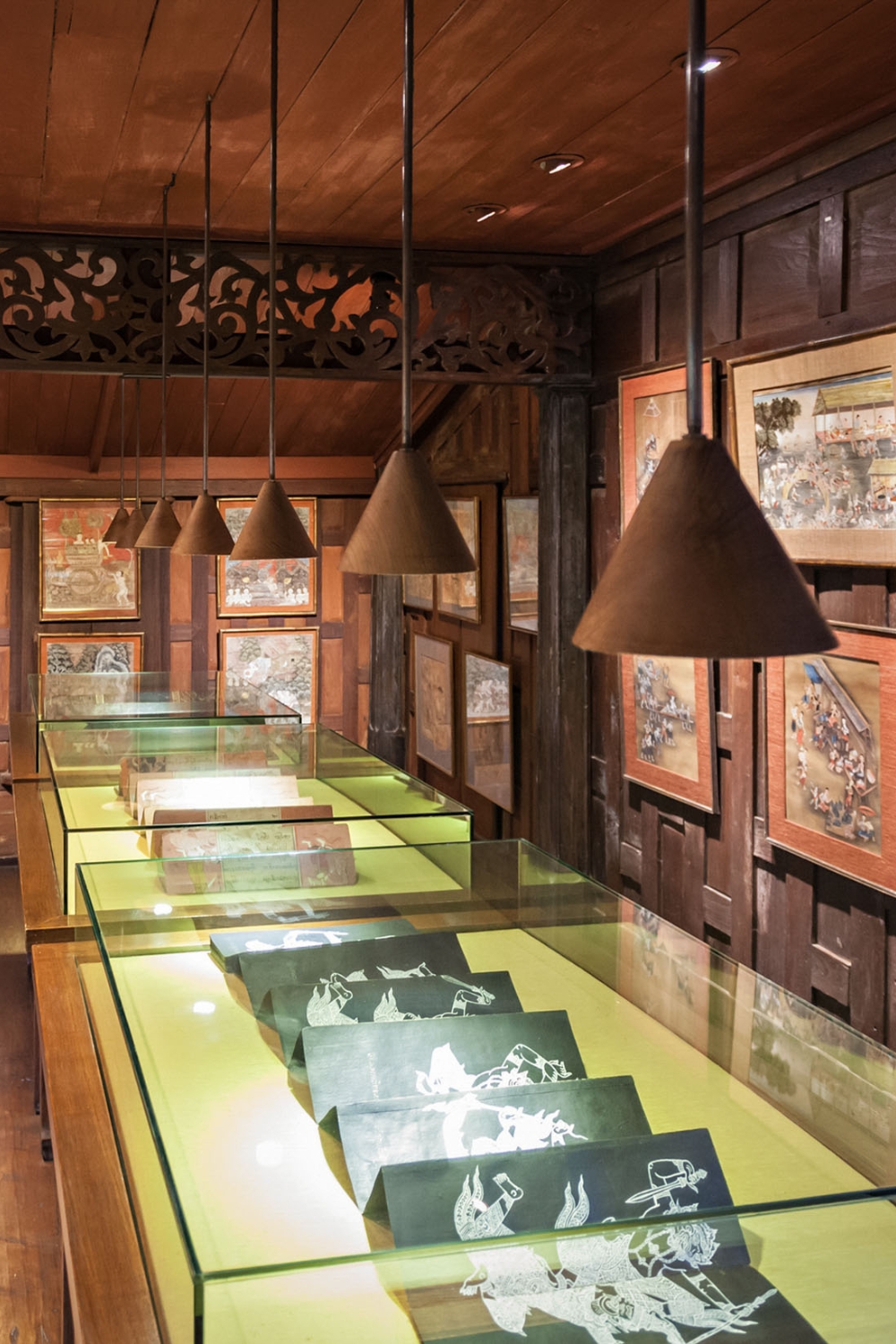
Jim Thompson’s former residence consists of six traditional Thai wooden houses assembled around a lush tropical garden. The structures were carefully relocated from various parts of Thailand and reconstructed without using a single nail, following ancient building techniques.

The house displays Thompson’s extensive collection of Asian art, including Buddha statues, Chinese porcelain, Burmese carvings, and ancient textiles. Each room tells part of his story and demonstrates his deep appreciation for Thai culture.

The guided tours provide fascinating insights into Thompson’s life, his contribution to Thai silk industry, and the mystery surrounding his disappearance in Malaysia’s Cameron Highlands. The museum shop offers authentic Jim Thompson silk products.

Tour times: Every 20 minutes, 9:00 AM – 6:00 PM daily

Location: Near National Stadium BTS Station

Special features: Traditional architecture, art collection, silk weaving demonstrations

7. Floating Markets – Traditional Commerce on Water

Floating Markets - Traditional Commerce on Water

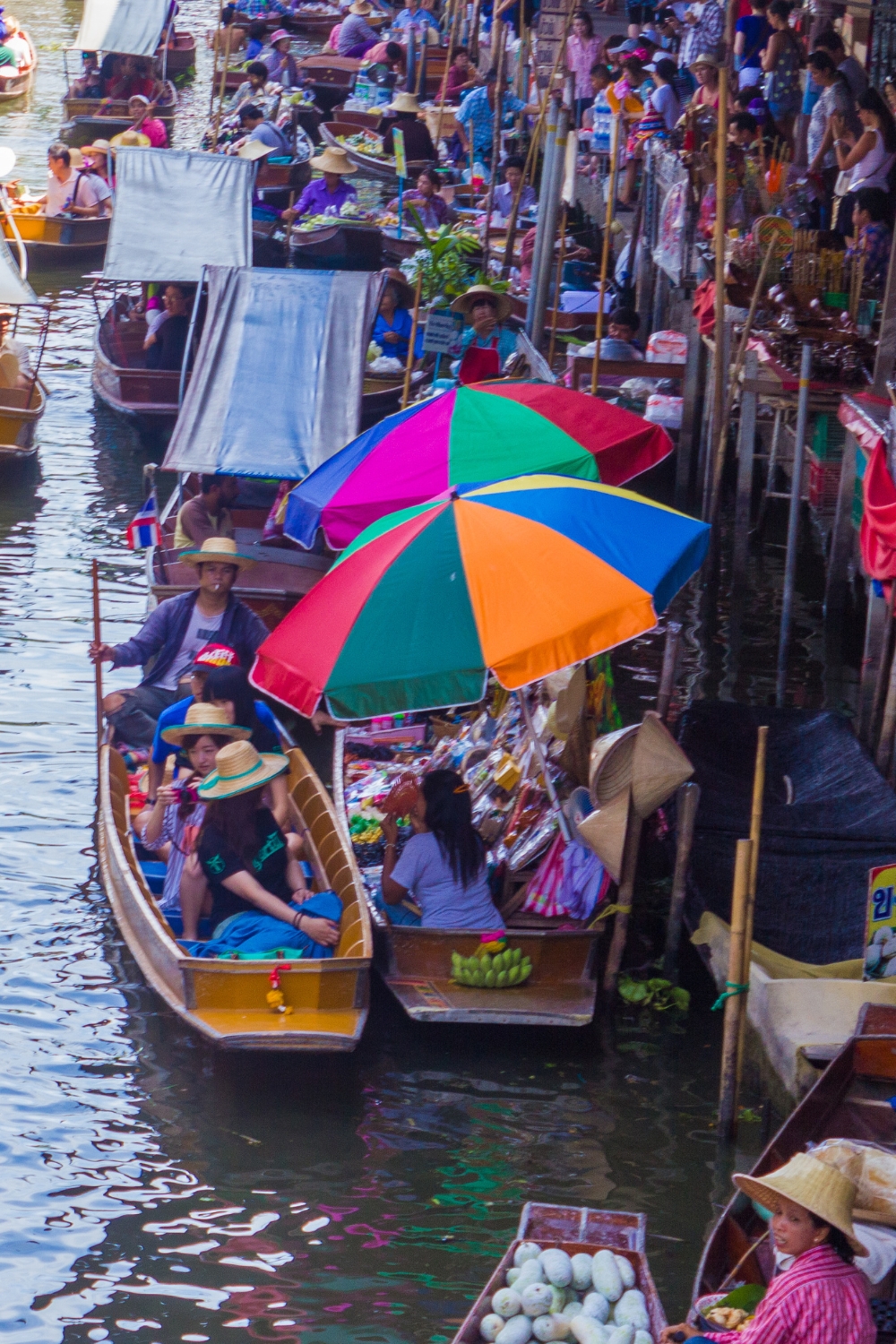
Bangkok’s floating markets offer a glimpse into Thailand’s traditional way of life, where vendors sell fresh produce, cooked food, and handicrafts directly from their boats. These colorful markets provide authentic cultural experiences away from modern shopping centers.

Damnoen Saduak and Amphawa Markets

Damnoen Saduak, located 100 kilometers southwest of Bangkok, is the most famous floating market. Vendors paddle wooden boats filled with tropical fruits, vegetables, and freshly cooked Thai dishes through narrow canals lined with traditional houses.

Amphawa Floating Market, closer to Bangkok, operates during weekends and offers a more authentic local experience. This market comes alive in the evening with floating restaurants serving grilled seafood and traditional desserts.

Long-tail boat tours take visitors through the canals, past traditional stilt houses and lush gardens. The peaceful waterways provide a stark contrast to Bangkok’s busy streets and offer insight into rural Thai life.

Damnoen Saduak: Daily 6:00 AM – 12:00 PM, 1.5-hour drive from Bangkok

Amphawa: Friday-Sunday 12:00 PM – 8:00 PM, 1-hour drive from Bangkok

What to buy: Fresh tropical fruits, coconut ice cream, traditional Thai sweets

8. Lumpini Park – Green Oasis in the City

Lumpini Park - Green Oasis in the City

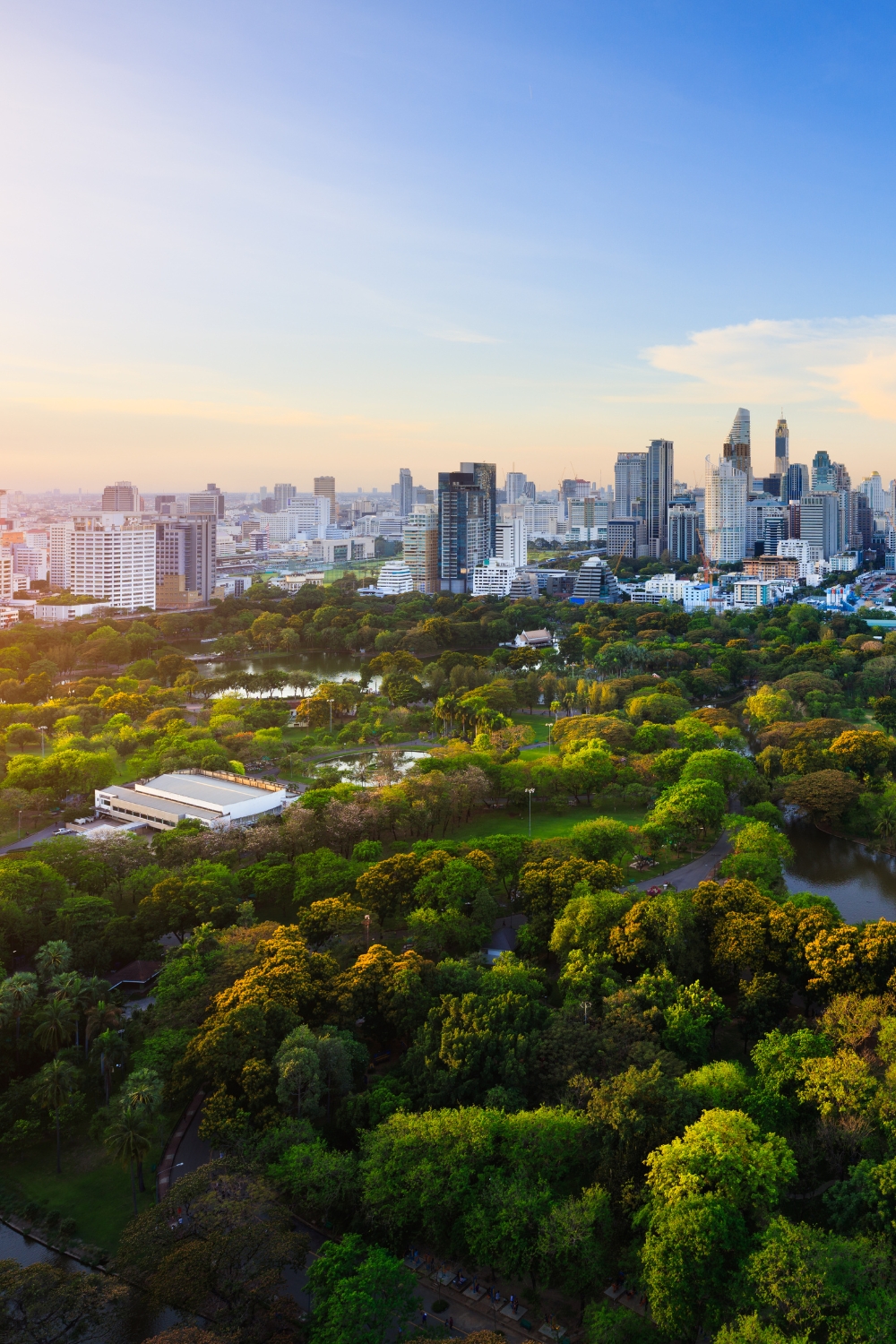
Lumpini Park serves as Bangkok’s green lung, providing 142 acres of peaceful escape from the city’s chaos. This urban oasis offers jogging paths, lakes, gardens, and recreational facilities where locals and visitors can relax and exercise.

Urban Nature and Recreation

The park features a large lake where visitors can rent paddle boats and enjoy peaceful moments surrounded by city skyline views. Walking paths wind through mature trees and manicured gardens, creating perfect spots for morning jogs or evening strolls.

Large monitor lizards, some over two meters long, live in the park’s lakes and can often be spotted sunbathing on the banks. These harmless creatures add an exotic element to the urban park experience.

Early mornings bring dozens of locals practicing tai chi, aerobics, and traditional Thai exercises. The park also hosts outdoor concerts and cultural events, particularly during Bangkok’s cooler months from November to February.

Best visiting times: Early morning (6:00 AM – 8:00 AM) and evening (5:00 PM – 7:00 PM)

Activities: Jogging, paddle boating, tai chi, picnicking

Getting there: MRT to Silom or Lumphini stations

9. Chinatown (Yaowarat) – Culinary and Cultural District

Chinatown (Yaowarat) - Culinary and Cultural District

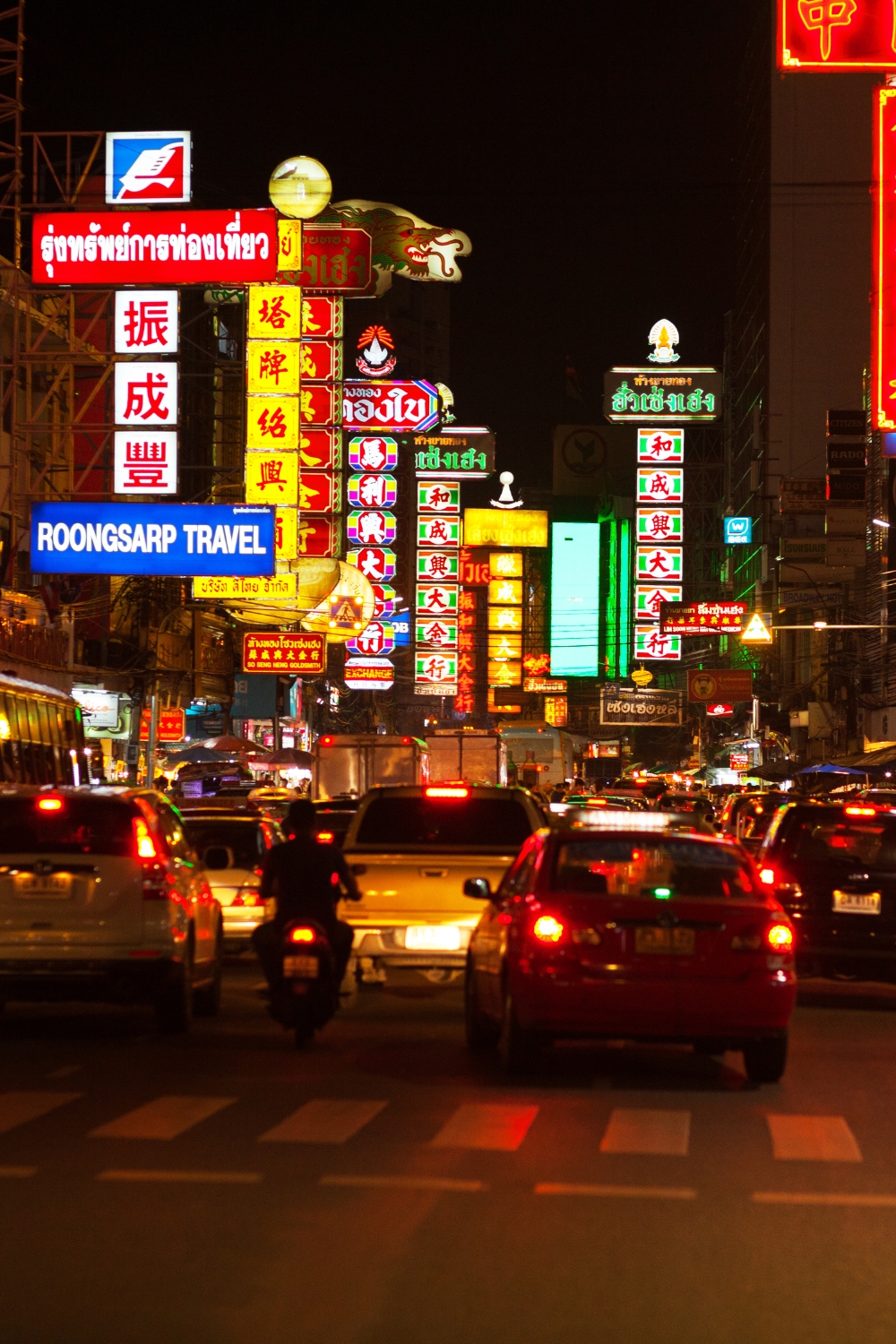
Bangkok’s Chinatown is one of the world’s most vibrant Chinese districts, famous for its incredible street food, gold shops, traditional medicine stores, and bustling markets. This historic neighborhood offers an authentic taste of Chinese-Thai culture.

Street Food Paradise and Cultural Heritage

Yaowarat Road transforms into a food paradise each evening, with vendors serving some of Bangkok’s best Chinese-Thai cuisine. Must-try dishes include bird’s nest soup, shark fin soup, roasted duck, dim sum, and fresh seafood preparations.

The area houses numerous Chinese temples, including Wat Traimit, which contains the world’s largest solid gold Buddha statue weighing 5.5 tons. The temple’s museum tells the fascinating story of how this treasure remained hidden for centuries under a plaster covering.

During Chinese New Year, Chinatown explodes with celebrations, dragon dances, fireworks, and special food offerings. The narrow streets become almost impassable as thousands gather to participate in the festivities.

Best food hours: 6:00 PM – 1:00 AM for street food

Key attractions: Wat Traimit, Sampeng Lane Market, gold shops

Food highlights: Bird’s nest soup, roasted duck, mango sticky rice, Chinese tea

10. Asiatique The Riverfront – Entertainment and Shopping Complex

Asiatique The Riverfront - Entertainment and Shopping Complex

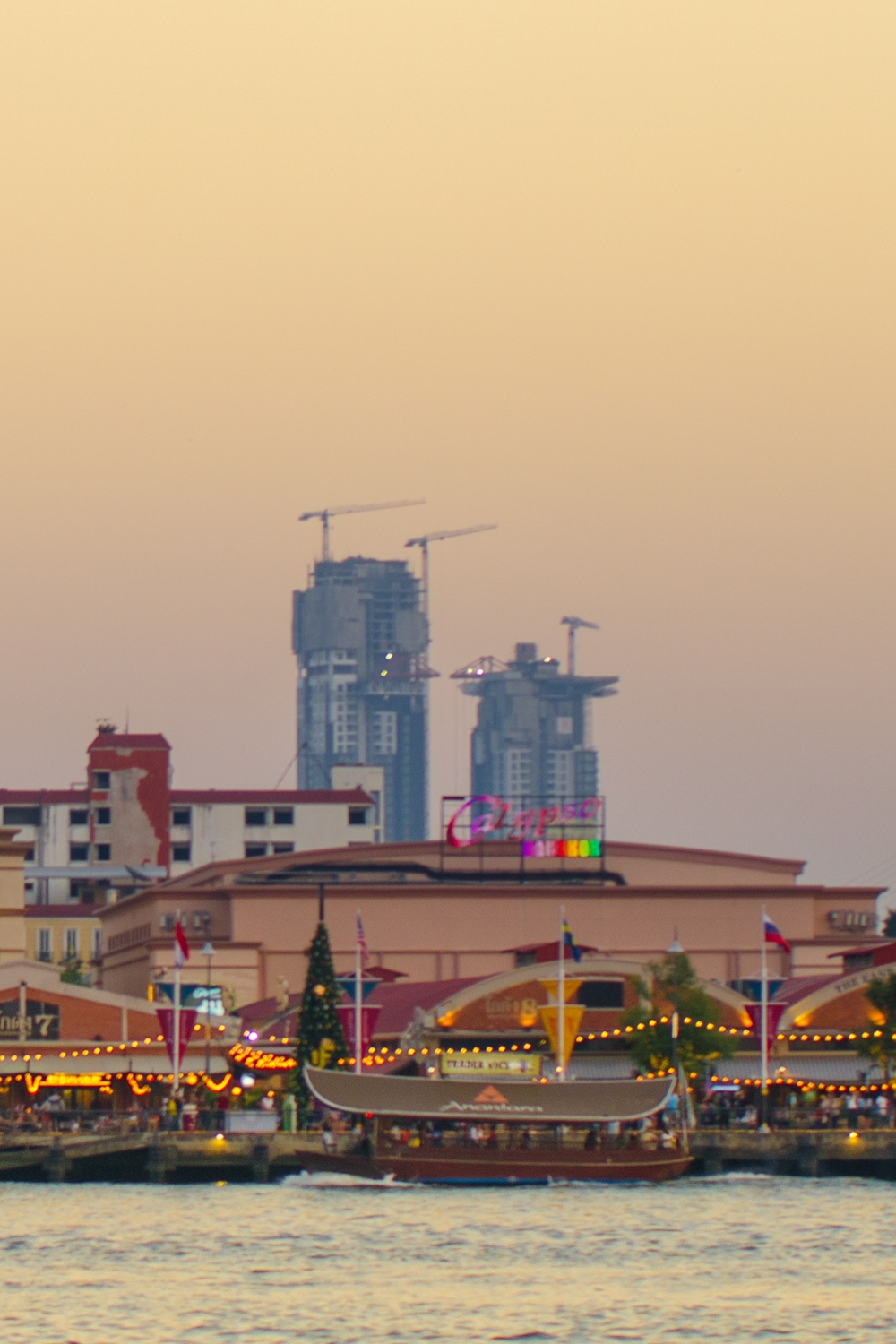
Asiatique The Riverfront combines shopping, dining, and entertainment along the Chao Phraya River in a beautifully restored warehouse district. This open-air complex offers a more comfortable alternative to traditional markets with fixed prices and air-conditioned restaurants.

Riverside Entertainment and Modern Comfort

The complex features over 1,500 shops and 40 restaurants housed in restored warehouses that once served as international trade centers. The boutiques offer everything from handmade crafts to designer clothing, all at fixed prices without haggling.

The Sky Asiatique Ferris wheel provides stunning 360-degree views of Bangkok’s skyline and the Chao Phraya River. At 60 meters high, it’s one of the city’s best viewpoints for photography, especially during sunset.

Multiple restaurants serve Thai and international cuisine with river views, while the Calypso Cabaret presents world-class transgender performances. The Joe Louis Traditional Thai Puppet Theatre showcases this ancient art form with skilled puppet masters.

Operating hours: 5:00 PM – 12:00 AM daily

Getting there: Free shuttle boat from Saphan Taksin BTS Station

Entertainment: Ferris wheel, puppet shows, cabaret performances, riverside dining

Planning Your Bangkok Adventure

Getting Around the City

Bangkok offers multiple transportation options to reach these attractions efficiently. The BTS Skytrain and MRT subway systems connect major destinations with air-conditioned comfort. Taxis are abundant but can get stuck in traffic, while tuk-tuks provide fun but bumpy rides through narrow streets.

For river attractions like Wat Arun and floating markets, express boats along the Chao Phraya River offer scenic and efficient transportation. Many hotels provide shuttle services to major shopping centers and tourist areas.

Best Times to Visit Different Attractions

Temples and Outdoor Sites: Early morning (8:00 AM – 10:00 AM) to avoid crowds and heat

Markets: Weekends for Chatuchak, early morning for floating markets

Parks and Gardens: Early morning and late afternoon for comfortable weather

Nightlife Areas: Evening after 7:00 PM when the atmosphere comes alive

Essential Tips for Travelers

Always dress respectfully when visiting temples – cover shoulders and knees, remove shoes before entering buildings. Carry plenty of water and stay hydrated in Bangkok’s tropical climate.

Bargain at markets but be respectful and friendly. Start with 50-70% of the asking price and negotiate with a smile. Many vendors appreciate when visitors attempt basic Thai phrases like “hello” (sawasdee) and “thank you” (khob khun).

Try street food from busy stalls with high turnover – this ensures freshness and safety. Bangkok’s street food is generally safe and incredibly delicious, offering authentic flavors at budget prices.

Conclusion

Bangkok truly lives up to its reputation as one of Asia’s most exciting destinations, where ancient traditions seamlessly blend with modern urban energy. From the sacred halls of the Grand Palace to the bustling stalls of Chatuchak Market, from peaceful temple complexes to vibrant street food scenes, each destination offers its own unique magic.

These ten must-visit places represent the incredible diversity that makes Bangkok special, but they’re just the beginning of what this amazing city has to offer. The warm smiles of Thai people, the complex flavors of authentic cuisine, and the spiritual atmosphere of golden temples combine to create memories that will last a lifetime.

Whether you’re seeking cultural enlightenment, culinary adventures, shopping experiences, or simply the excitement of exploring a new culture, Bangkok provides the perfect setting for an unforgettable journey. The city’s efficient transportation system makes it easy to experience multiple attractions in a single day, while the affordable prices allow travelers to indulge in experiences that might be prohibitively expensive elsewhere.

Start planning your Bangkok adventure today, and prepare to discover why millions of travelers consider this dynamic city one of the world’s greatest urban destinations. From ancient temples to modern marvels, from street food to luxury dining, Bangkok offers something magical for every type of traveler.

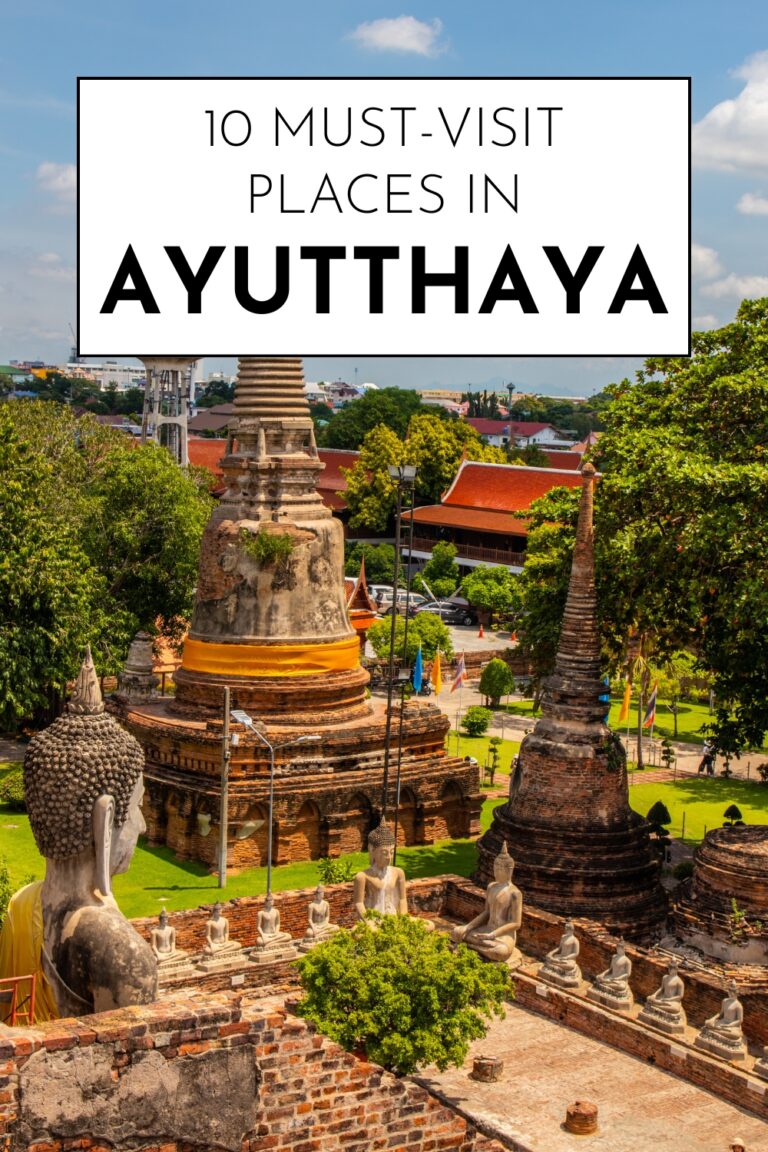
Ayutthaya, the ancient capital of Siam, stands as one of Thailand’s most magnificent historical treasures. This UNESCO World Heritage Site, located just 80 kilometers north of Bangkok, offers visitors a captivating journey through centuries of Thai history and culture.

Once the thriving heart of one of Southeast Asia’s most powerful kingdoms, Ayutthaya ruled for over 400 years before its destruction in 1767. Today, the ruins of this great city tell stories of architectural brilliance, spiritual devotion, and cultural richness that continue to mesmerize travelers from around the world.

From towering prangs (temple spires) that pierce the sky to serene Buddha statues that inspire contemplation, Ayutthaya provides an unforgettable experience for history enthusiasts, culture seekers, and spiritual travelers alike. The city’s unique blend of Khmer, Sri Lankan, and indigenous Thai architectural styles creates a visual feast unlike anywhere else in the world.

Let’s explore the ten most spectacular destinations that make Ayutthaya an essential stop on any Thai adventure.

1. Wat Mahathat – Temple of the Great Relic

Wat Mahathat - Temple of the Great Relic

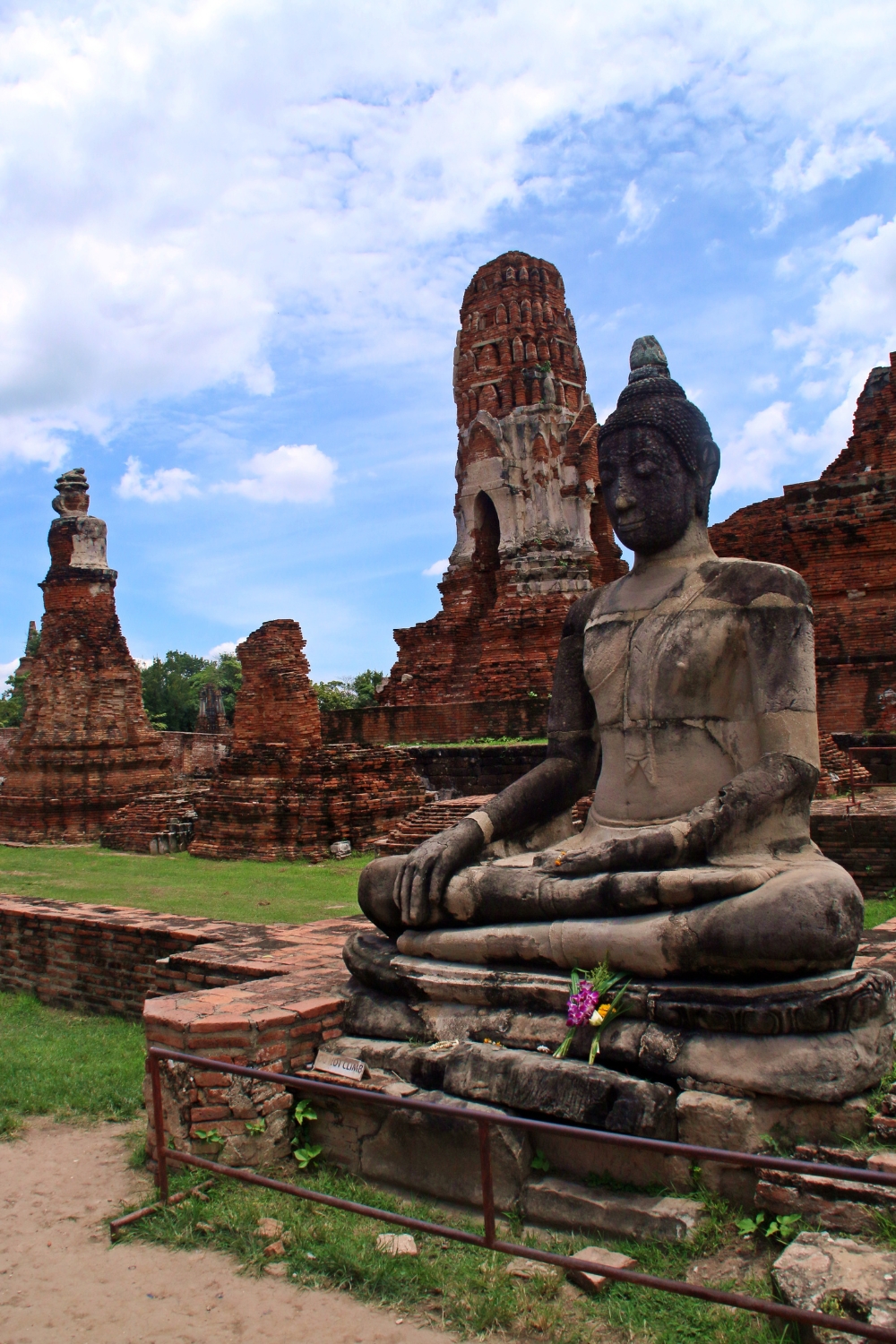
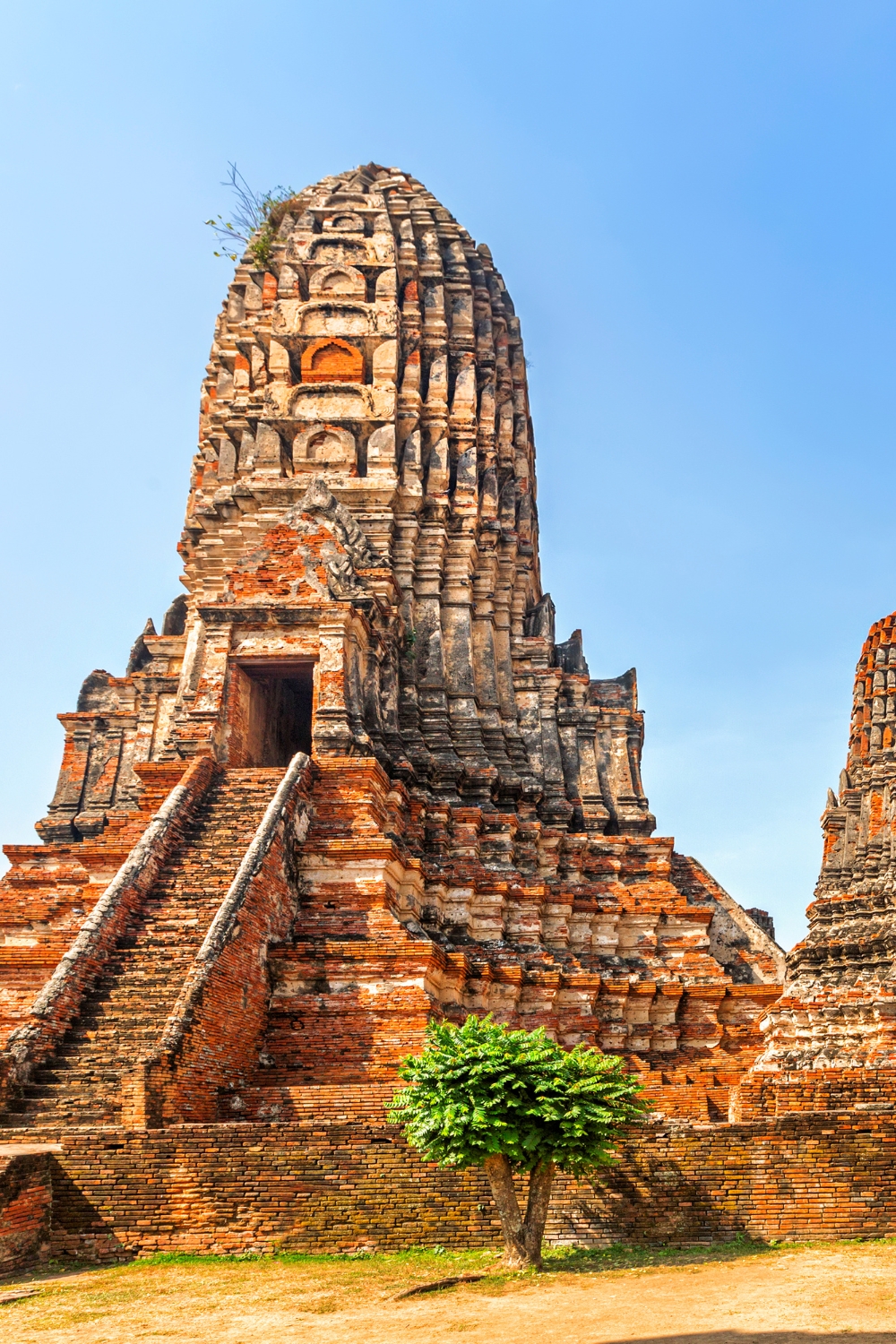
Wat Mahathat stands as one of Ayutthaya’s most iconic and spiritually significant temples. Built in the 14th century during the early Ayutthaya period, this royal temple once housed precious Buddha relics and served as the residence of the Supreme Patriarch of Buddhism.

The Famous Buddha Head in Tree Roots

The temple’s most photographed attraction is the sandstone Buddha head mysteriously entwined in the roots of a banyan tree. This incredible sight has become a symbol of Ayutthaya’s resilience and the power of nature to preserve history. Local belief suggests that when Burmese invaders destroyed the temple in 1767, this Buddha head fell and was gradually embraced by the growing tree roots.

Visitors must show respect when photographing this sacred image by sitting or crouching to ensure their head remains lower than the Buddha’s head. The sight represents the harmony between nature and spirituality that defines much of Thai culture.

Best time to visit: Early morning (8:00-9:00 AM) or late afternoon (4:00-5:00 PM) for the best lighting and fewer crowds

Entry fee: 50 Thai Baht

Key features: Buddha head in tree roots, ancient prangs, meditation halls, historical significance

2. Wat Phra Si Sanphet – The Royal Temple

Wat Phra Si Sanphet - The Royal Temple

Wat Phra Si Sanphet served as the holiest temple in the ancient Kingdom of Ayutthaya, located within the royal palace grounds. This magnificent complex was used exclusively by the royal family for important ceremonies and religious rituals.

Three Iconic Chedis

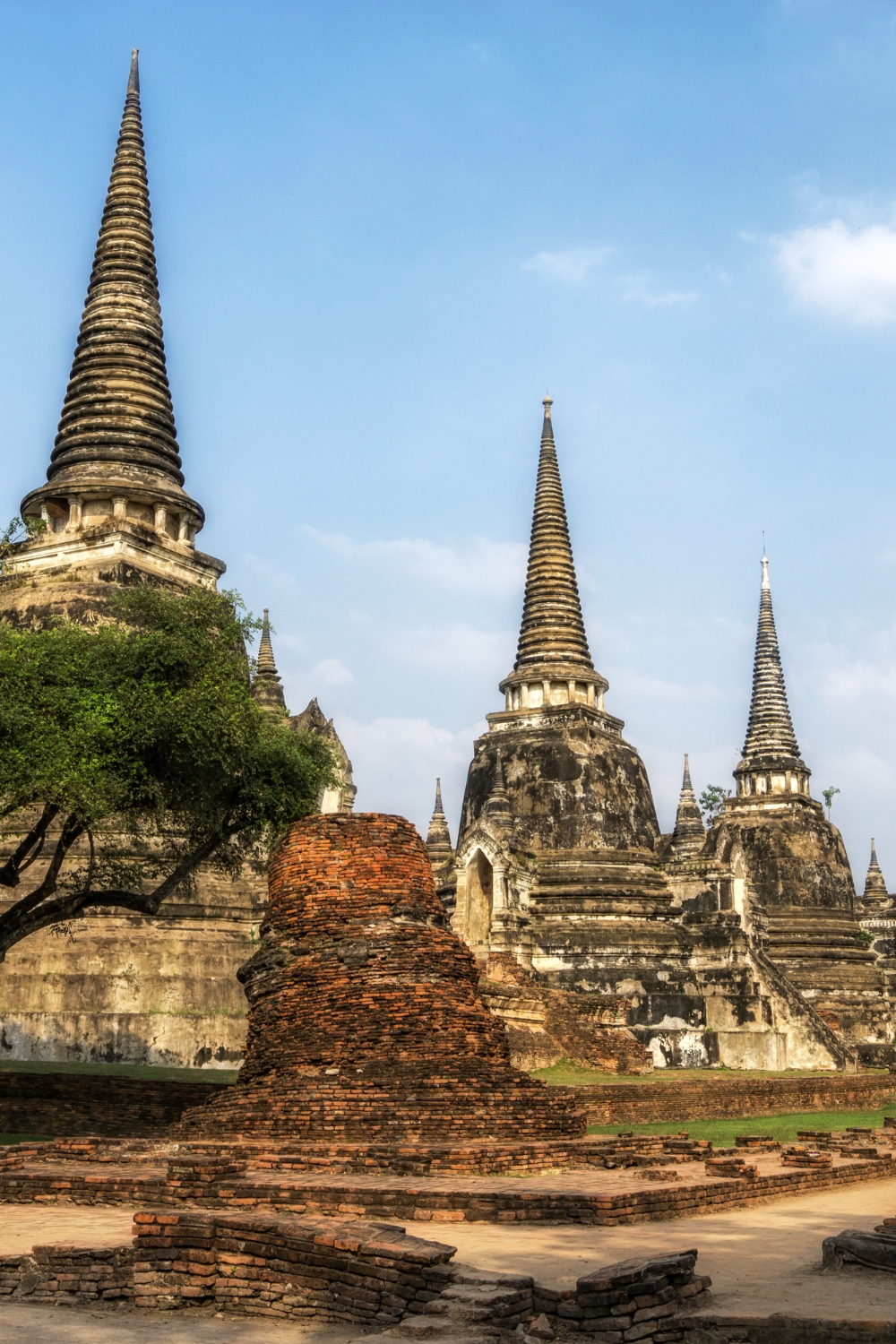
The temple’s three distinctive bell-shaped chedis (stupas) dominate the skyline and represent the classic Ayutthaya architectural style. These structures contained the ashes of three Ayutthaya kings: Borommatrailokkanat, Borommarachathirat III, and Ramathibodi II.

Despite suffering extensive damage during the 1767 Burmese invasion, the chedis have been carefully restored and now stand as proud symbols of Ayutthaya’s golden age. The temple once housed a 16-meter tall standing Buddha covered in 250 kilograms of gold, which was melted down by Burmese invaders.

Best time to visit: Sunrise or sunset for dramatic photography

Entry fee: 50 Thai Baht

Historical significance: Former royal chapel, holiest temple in ancient Ayutthaya

3. Wat Chaiwatthanaram – Khmer-Style Masterpiece

Wat Chaiwatthanaram - Khmer-Style Masterpiece

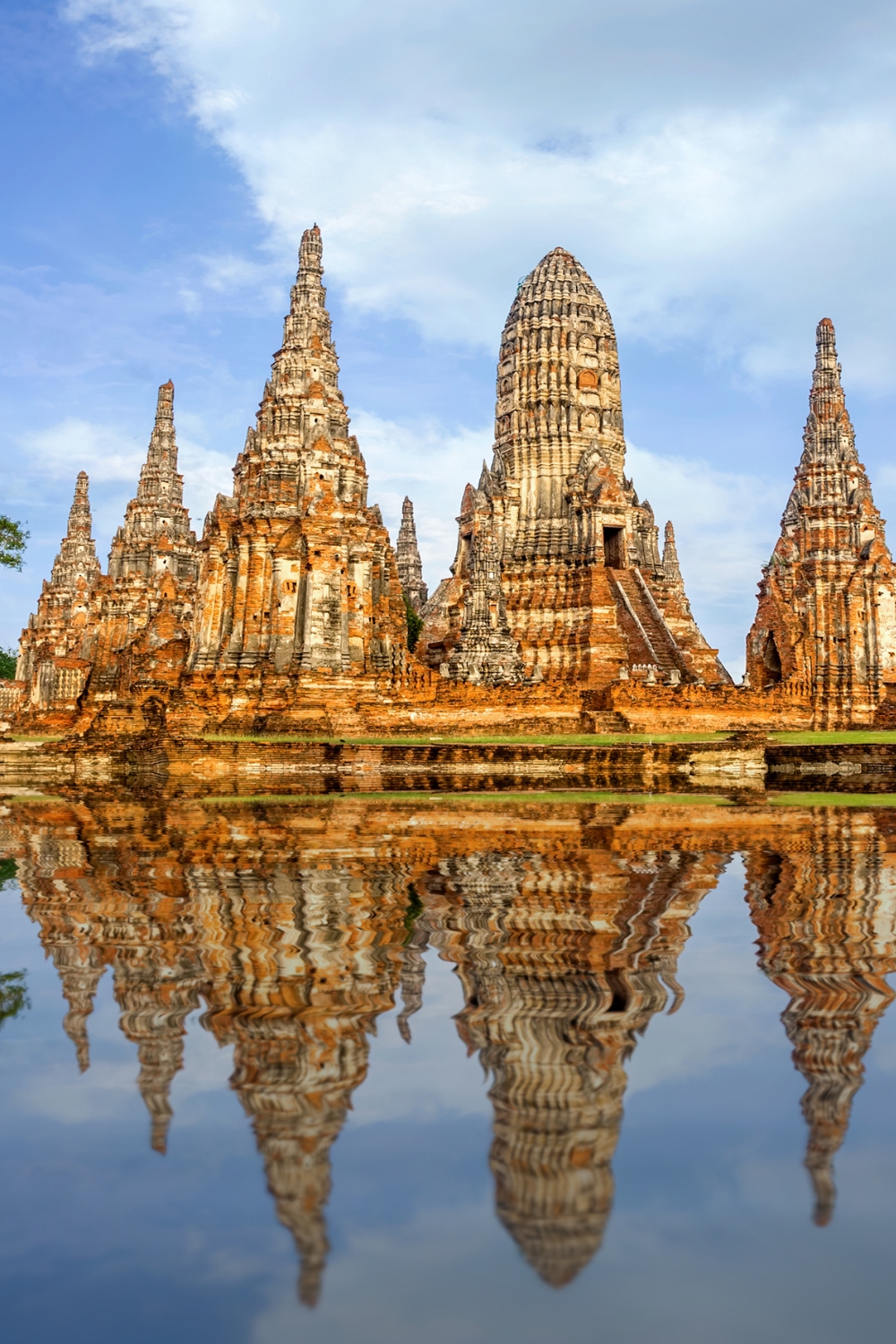
Wat Chaiwatthanaram represents the pinnacle of Ayutthaya’s architectural achievement, built in 1630 by King Prasat Thong to honor his mother. This stunning temple complex showcases the influence of Angkor Wat’s Khmer architecture on Thai temple design.

Architectural Marvel and Sunset Views

The temple features a central prang (tower) surrounded by eight smaller prangs, symbolizing Mount Meru, the center of the universe in Buddhist cosmology. The intricate stucco decorations and bas-reliefs depict scenes from Buddhist Jataka tales and Hindu mythology.

Wat Chaiwatthanaram offers some of the most spectacular sunset views in Ayutthaya. The temple’s reflection in the nearby Chao Phraya River creates a magical atmosphere that photographers and visitors treasure. The well-preserved architecture allows visitors to imagine the temple’s former glory when it served as a royal temple.

Best time to visit: Late afternoon for sunset photography (5:30-6:30 PM)

Entry fee: 50 Thai Baht

Special features: Khmer-style architecture, riverside location, excellent sunset views

4. Wat Ratchaburana – Temple of Royal Restoration

Wat Ratchaburana - Temple of Royal Restoration

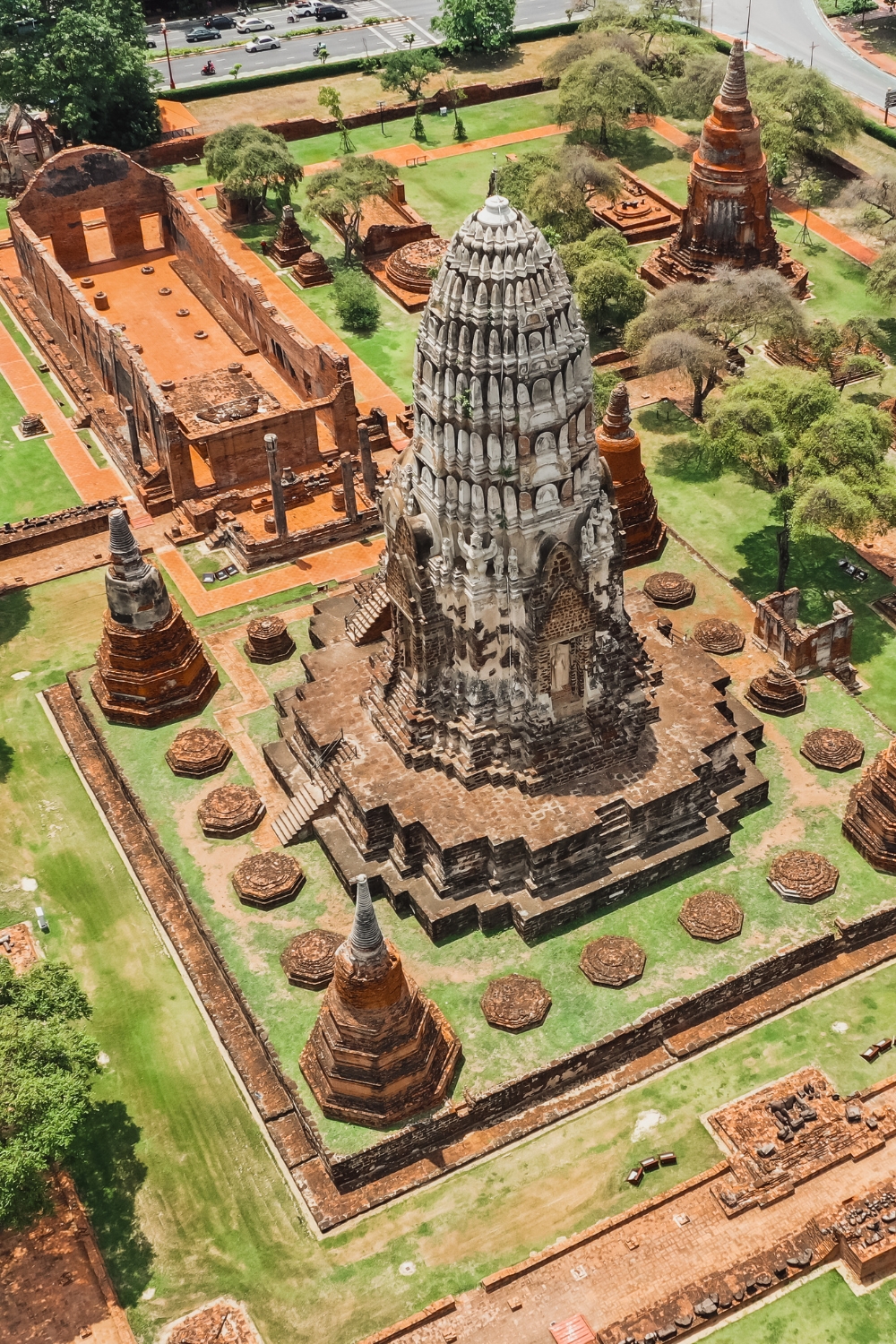
Wat Ratchaburana was built in 1424 by King Borommarachathirat II to commemorate his two elder brothers who died in combat while fighting for the throne. This temple offers visitors a unique opportunity to explore ancient crypts and discover priceless artifacts.

Underground Crypts and Ancient Treasures

The temple’s main prang contains underground crypts that house some of Thailand’s most valuable archaeological discoveries. Visitors can descend into these chambers to see original wall paintings depicting Buddhist heavens and hells, along with intricate murals that have survived for centuries.

The crypt once contained gold treasures, Buddha images, and royal regalia, though most artifacts are now displayed in the Chao Sam Phraya National Museum. The narrow, steep stairs leading to the crypts add an element of adventure to the temple visit.

Entry fee: 50 Thai Baht

Unique experience: Exploring underground crypts with ancient murals

Archaeological significance: Source of major treasure discoveries in the 1950s

5. Ayutthaya Historical Park – UNESCO World Heritage Site

Ayutthaya Historical Park - UNESCO World Heritage Site

The Ayutthaya Historical Park encompasses the entire ancient city, protecting hundreds of temples, palaces, and archaeological sites within its boundaries. This vast complex earned UNESCO World Heritage status in 1991 for its outstanding universal value.

Exploring the Ancient Capital

The park covers 289 hectares and contains the ruins of 67 temples and numerous other structures. Visitors can explore the site by bicycle, tuk-tuk, or on foot, discovering hidden corners and lesser-known temples throughout the ancient city.

The park’s visitor center provides excellent historical context and displays artifacts found throughout the site. Interactive exhibits help visitors understand Ayutthaya’s role as a major trading port and diplomatic center that welcomed merchants and ambassadors from around the world.

Best way to explore: Bicycle rental (50-100 THB per day)

Park hours: 8:00 AM – 6:00 PM daily

Facilities: Visitor center, bicycle rentals, guided tours, museum

6. Wat Lokayasutharam – Temple of the Reclining Buddha

Wat Lokayasutharam - Temple of the Reclining Buddha

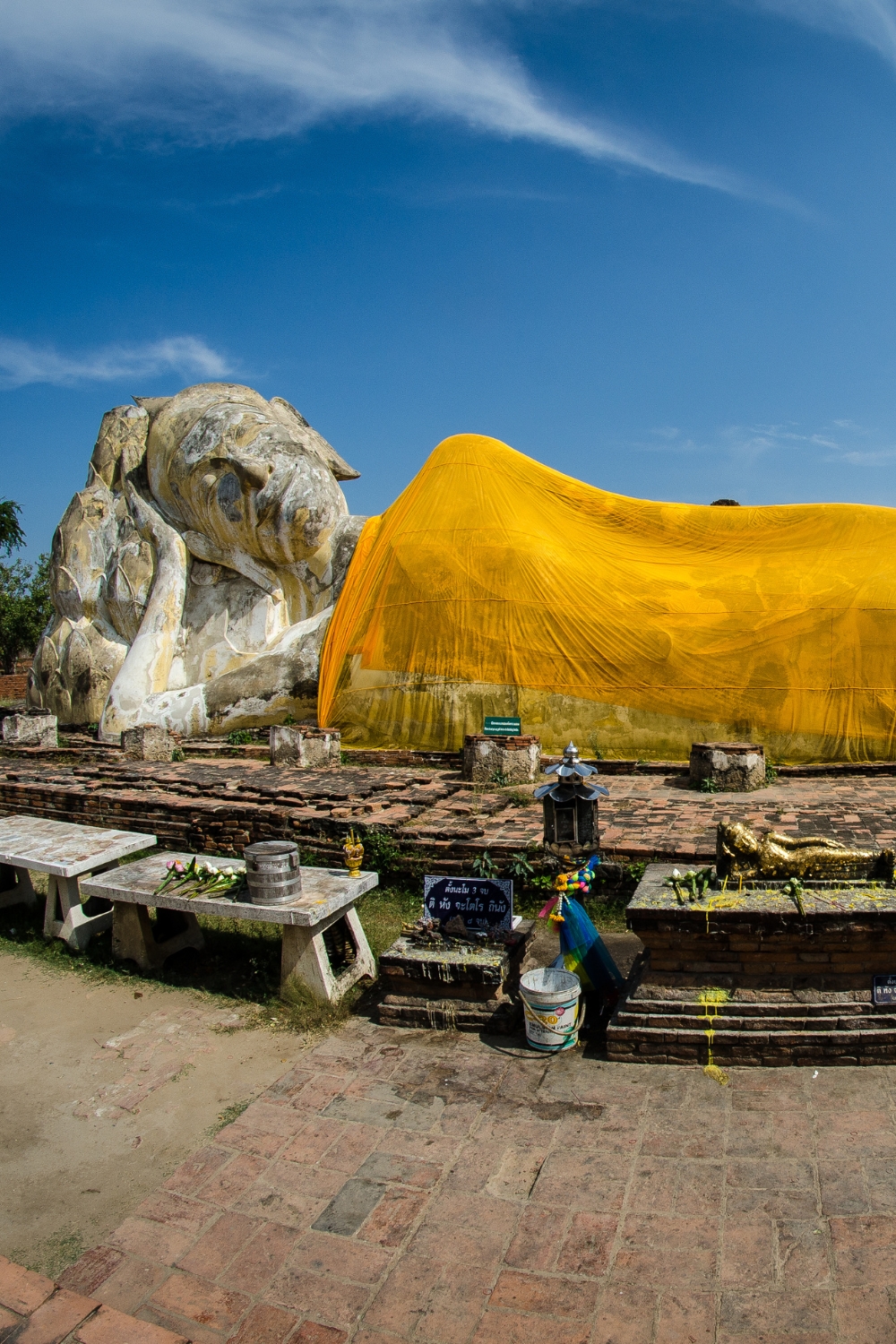
Wat Lokayasutharam houses one of Ayutthaya’s most impressive and peaceful attractions: a massive reclining Buddha statue measuring 42 meters long and 8 meters high. This outdoor statue represents the Buddha entering Nirvana.

Serene Giant Buddha

Unlike many of Ayutthaya’s ruins, this reclining Buddha remains intact and continues to receive active worship from local Buddhists and visitors. The statue’s serene expression and graceful proportions create a sense of peace and contemplation.

The Buddha lies on his right side with his head resting on a lotus pillow, positioned to face west toward the setting sun. Local devotees often leave lotus flowers, incense, and gold leaf offerings at the statue’s feet. The surrounding area provides a quiet retreat from the busier temple complexes.

Entry fee: Free

Best photography time: Early morning or late afternoon

Spiritual significance: Active worship site, meditation spot

7. Bang Pa-In Palace – Summer Royal Residence

Bang Pa-In Palace - Summer Royal Residence

Bang Pa-In Palace, located 20 kilometers south of Ayutthaya, served as a summer retreat for Thai royalty. This elegant complex showcases a fascinating blend of Thai, Chinese, and European architectural styles.

Architectural Diversity and Royal Gardens

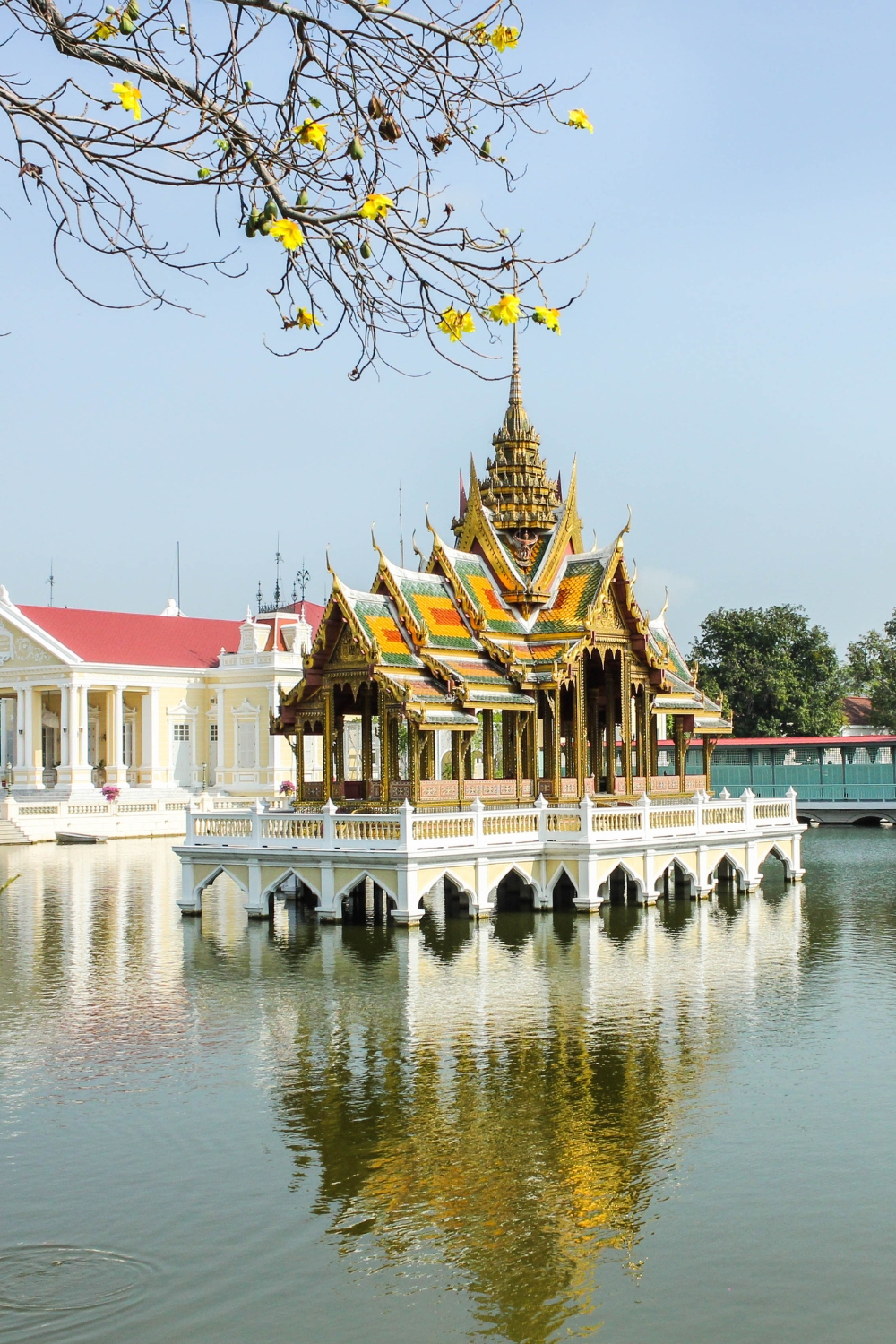
The palace complex features multiple buildings representing different cultural influences, including the Chinese-style Wehart Chamrunt Palace, the neoclassical Warophat Phiman Hall, and the traditional Thai Aisawan Thipphaya-asana Pavilion situated in the middle of a lake.

The beautifully manicured gardens, ornamental lakes, and decorative bridges create a romantic atmosphere that contrasts with Ayutthaya’s ancient ruins. The palace continues to serve as an occasional royal residence, though most buildings are open to public tours.

Entry fee: 100 Thai Baht

Operating hours: 8:00 AM – 5:00 PM daily

Transportation: 30-minute drive from Ayutthaya city center

8. Wat Yai Chai Mongkhon – Temple of Auspicious Victory

Wat Yai Chai Mongkhon - Temple of Auspicious Victory

Wat Yai Chai Mongkhon was built in 1357 by King U-Thong for monks returning from Ceylon (Sri Lanka) after studying under a famous Buddhist master. The temple’s massive chedi commemorates King Naresuan’s victory over the Burmese in 1593.

Giant Chedi and Active Monastery

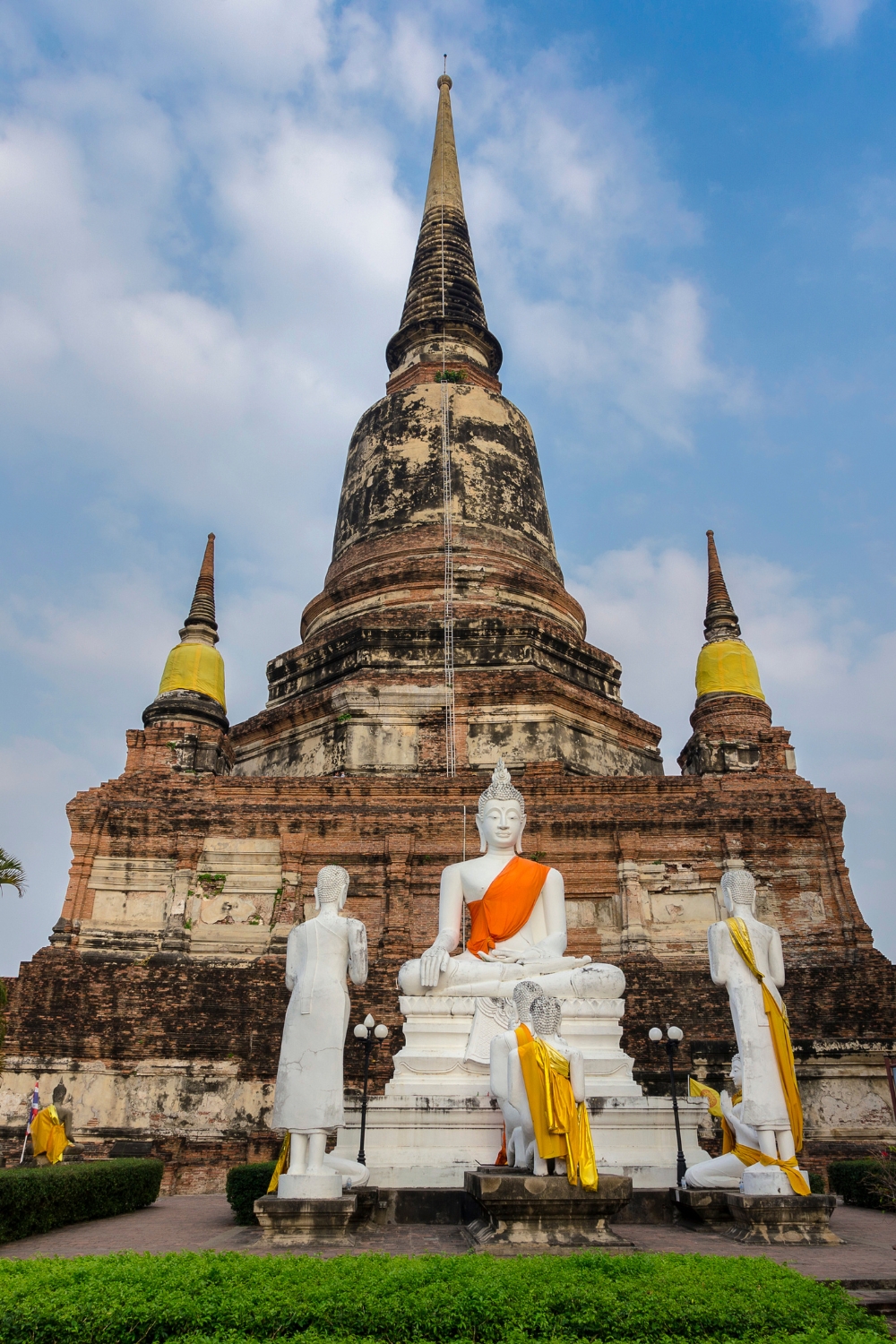
The temple’s towering chedi rises 62 meters high and remains one of Ayutthaya’s most impressive structures. Visitors can climb the steep stairs surrounding the chedi for panoramic views of the surrounding countryside and Ayutthaya’s temple spires.

Unlike many of Ayutthaya’s ruins, Wat Yai Chai Mongkhon remains an active monastery with resident monks who maintain the temple grounds. The site features rows of Buddha statues dressed in saffron robes, creating excellent photographic opportunities and a sense of living Buddhist tradition.

Entry fee: 20 Thai Baht

Climbing access: Stairs available for chedi ascent

Active monastery: Respectful behavior required

9. Chao Sam Phraya National Museum – Treasure House of Ayutthaya

Chao Sam Phraya National Museum - Treasure House of Ayutthaya

The Chao Sam Phraya National Museum houses the most significant collection of artifacts from the Ayutthaya period, including gold treasures, Buddha images, and royal regalia discovered in temple crypts throughout the ancient city.

Priceless Artifacts and Historical Context

The museum’s collection includes the famous golden treasures discovered in the crypts of Wat Ratchaburana and Wat Mahathat, featuring intricate jewelry, ceremonial objects, and votive tablets. These artifacts provide insight into the wealth and artistic sophistication of the Ayutthaya Kingdom.

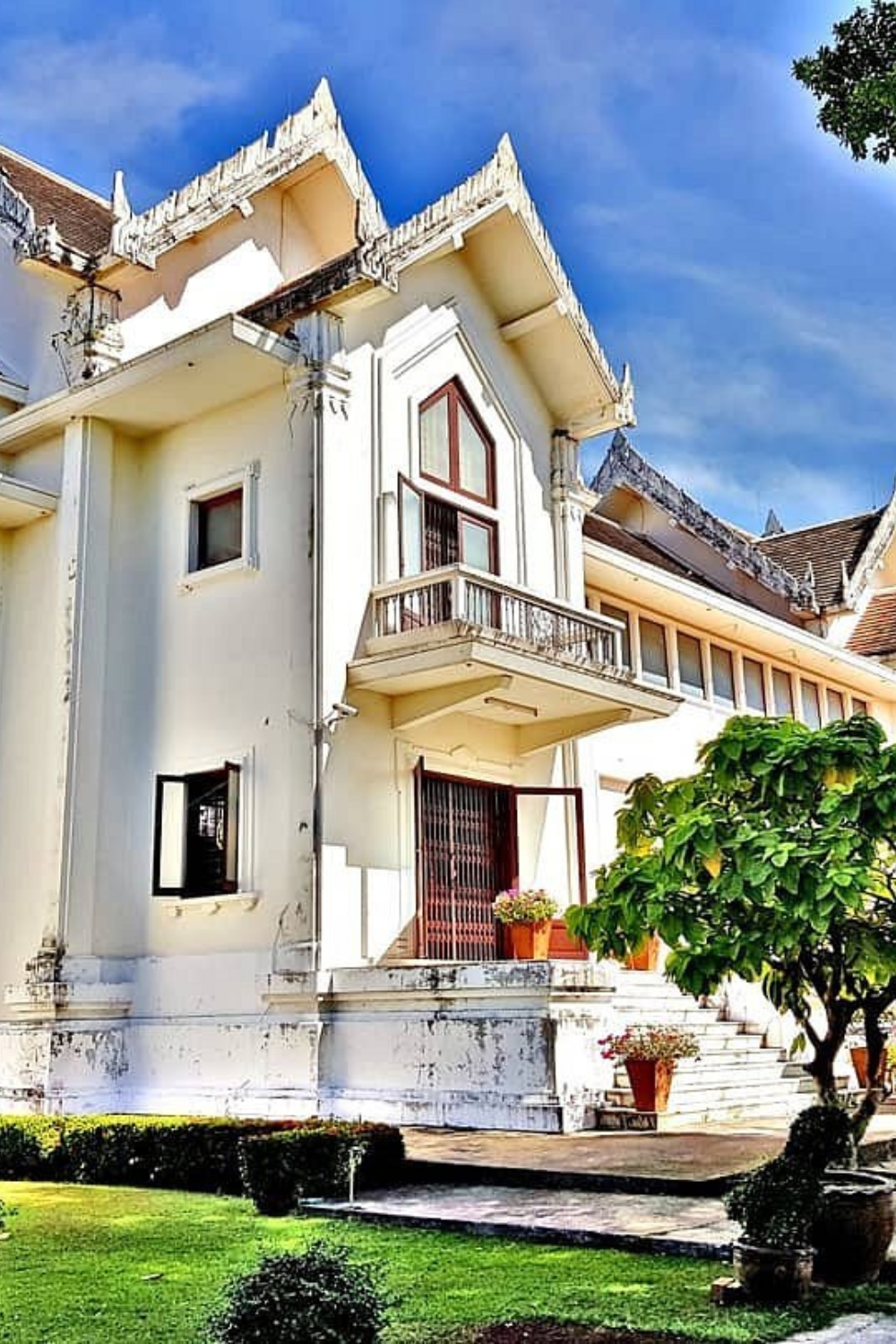
Interactive displays explain the history of Ayutthaya’s rise and fall, its international trade relationships, and the daily life of its inhabitants. The museum serves as an excellent starting point for understanding Ayutthaya’s historical significance before exploring the temple ruins.

Entry fee: 150 Thai Baht

Operating hours: 9:00 AM – 4:00 PM (closed Mondays and Tuesdays)

Notable exhibits: Wat Ratchaburana gold treasures, ancient Buddha images, historical artifacts

10. Ayutthaya Floating Market – Cultural Experience

Ayutthaya Floating Market - Cultural Experience

The Ayutthaya Floating Market offers visitors a chance to experience traditional Thai market culture while sampling local foods and purchasing handicrafts. This reconstructed market provides insight into how commerce operated along Thailand’s waterways for centuries.

Traditional Commerce and Local Flavors

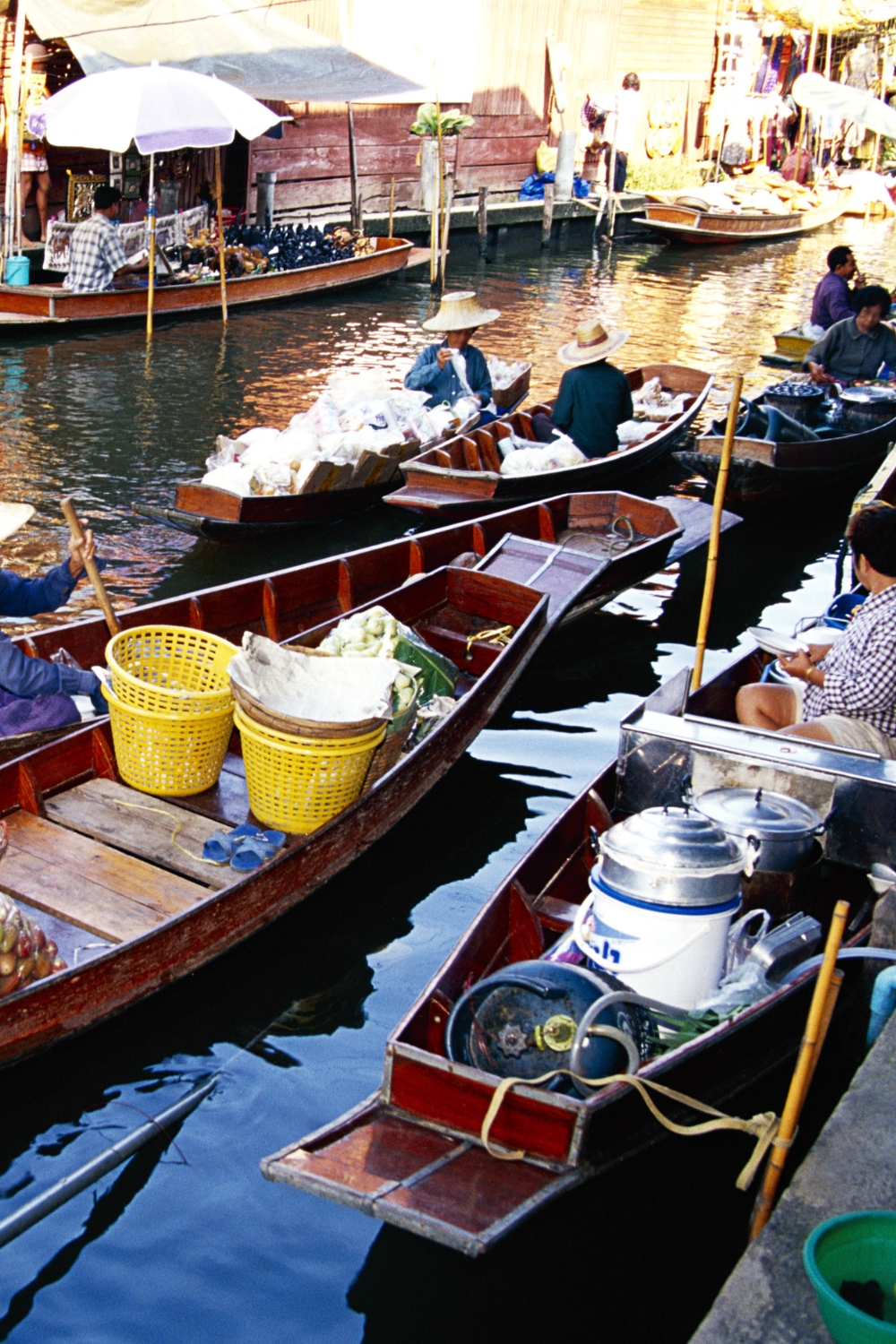
Vendors sell traditional Thai dishes, fresh fruits, and handmade crafts from wooden boats along the market’s canals. Visitors can take boat rides through the market channels while sampling som tam (papaya salad), mango sticky rice, and grilled seafood.

The market also features cultural performances, traditional Thai music, and demonstrations of ancient crafts like pottery making and silk weaving. While not historically authentic, the floating market provides an entertaining introduction to Thai culture and traditions.

Operating hours: 9:00 AM – 5:00 PM daily

Best time to visit: Morning hours for freshest food options

Activities: Boat rides, food sampling, cultural performances, shopping

Planning Your Ayutthaya Adventure

Getting to Ayutthaya

Ayutthaya is easily accessible from Bangkok by train, bus, or private car. The train journey from Bangkok’s Hua Lamphong Station takes approximately 1.5 hours and costs around 20-50 THB depending on the class. State buses depart regularly from Bangkok’s Mo Chit Bus Terminal.

Best Time to Visit

The ideal time to visit Ayutthaya is during Thailand’s cool season (November to February) when temperatures are more comfortable for outdoor exploration. Early morning and late afternoon visits provide the best lighting conditions and help avoid the midday heat.

Transportation Within Ayutthaya

Bicycle rentals offer the most flexible and enjoyable way to explore the historical park. Tuk-tuks and songthaews (shared taxis) provide convenient transportation between distant sites. Many guesthouses offer bicycle rentals for 50-100 THB per day.

Essential Tips for Visitors

Dress respectfully when visiting temple sites, covering shoulders and knees. Bring plenty of water and sun protection, as much of the exploration involves outdoor walking. Early morning visits provide cooler temperatures and better photography conditions.

Consider purchasing a combined ticket for multiple temple sites to save money on entrance fees. Allow at least a full day to properly explore the major temples and attractions.

Conclusion

Ayutthaya offers an extraordinary journey through Thailand’s golden age, where magnificent temples and ancient ruins tell the story of one of Southeast Asia’s greatest kingdoms. From the mystical Buddha head embraced by tree roots at Wat Mahathat to the towering prangs of Wat Chaiwatthanaram reflecting in the Chao Phraya River, each site reveals another chapter in this fascinating historical narrative.

These ten must-visit destinations represent the highlights of Ayutthaya’s rich heritage, but they’re just the beginning of what this UNESCO World Heritage Site has to offer. The combination of architectural splendor, spiritual significance, and historical importance creates an experience that resonates long after leaving the ancient city.

Whether you’re fascinated by history, inspired by architecture, or seeking spiritual contemplation, Ayutthaya provides a perfect setting for discovery and reflection. The city’s proximity to Bangkok makes it an ideal day trip or weekend getaway, offering a peaceful contrast to Thailand’s bustling capital.

Plan your visit to Ayutthaya today and prepare to step back in time to explore one of Thailand’s most treasured destinations. The ancient capital awaits with its timeless stories, architectural wonders, and spiritual energy that continues to captivate visitors from around the world.

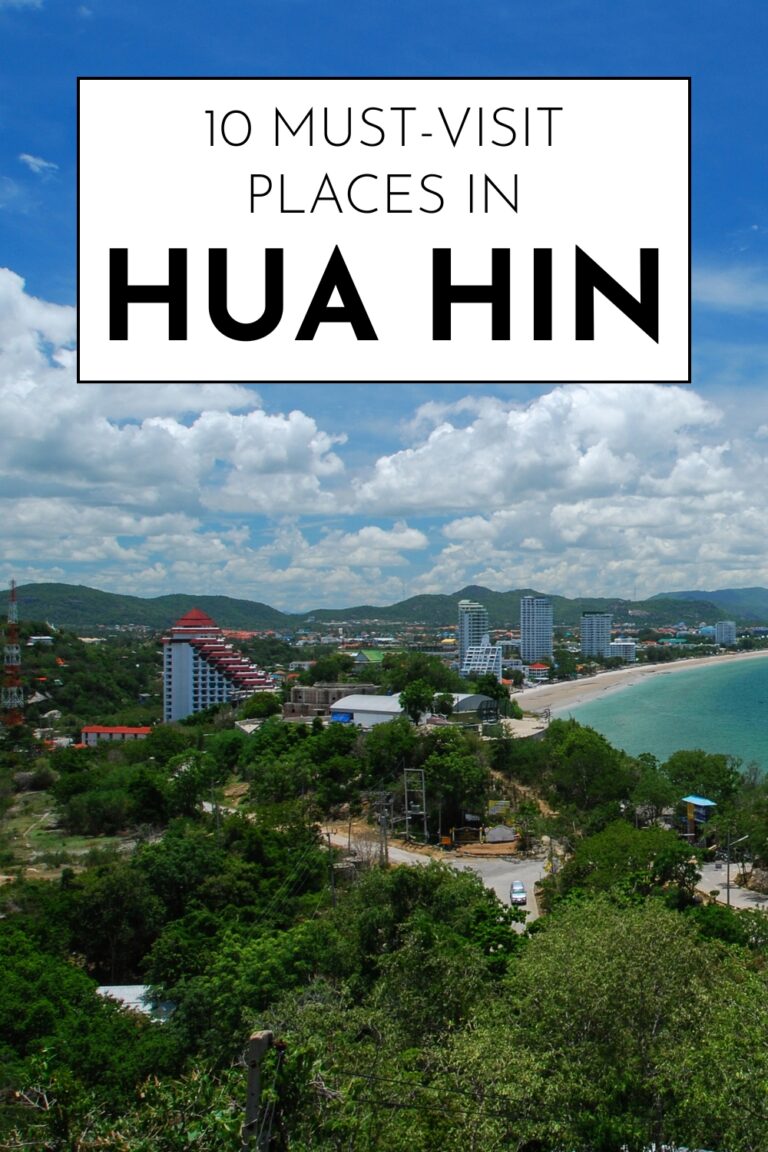
Hua Hin, the crown jewel of Prachuap Khiri Khan Province, stands as Thailand’s original royal beach resort and one of the country’s most beloved coastal destinations. Located just 200 kilometers south of Bangkok, this charming seaside town has been attracting visitors for over a century with its perfect blend of royal heritage, pristine beaches, and laid-back atmosphere.

Known as the playground for Thai royalty since the 1920s, Hua Hin offers a refreshing alternative to Thailand’s more commercialized beach destinations. The town maintains its traditional fishing village charm while providing world-class amenities, making it perfect for families, couples, and solo travelers seeking both relaxation and cultural experiences.

From the iconic Hua Hin Railway Station to the majestic Khao Takiab temple, this coastal paradise delivers diverse attractions that showcase Thailand’s natural beauty, rich history, and spiritual heritage. The region’s unique combination of mountains meeting the sea creates stunning landscapes and exciting outdoor adventures.

Whether you’re interested in royal palaces, night markets, elephant encounters, or simply lounging on pristine beaches, Hua Hin provides the perfect escape from bustling city life. Let’s explore the ten essential destinations that make this royal resort town a must-visit location for travelers seeking authentic Thai coastal experiences.

1. Hua Hin Beach – Royal Coastal Paradise

Hua Hin Beach - Royal Coastal Paradise

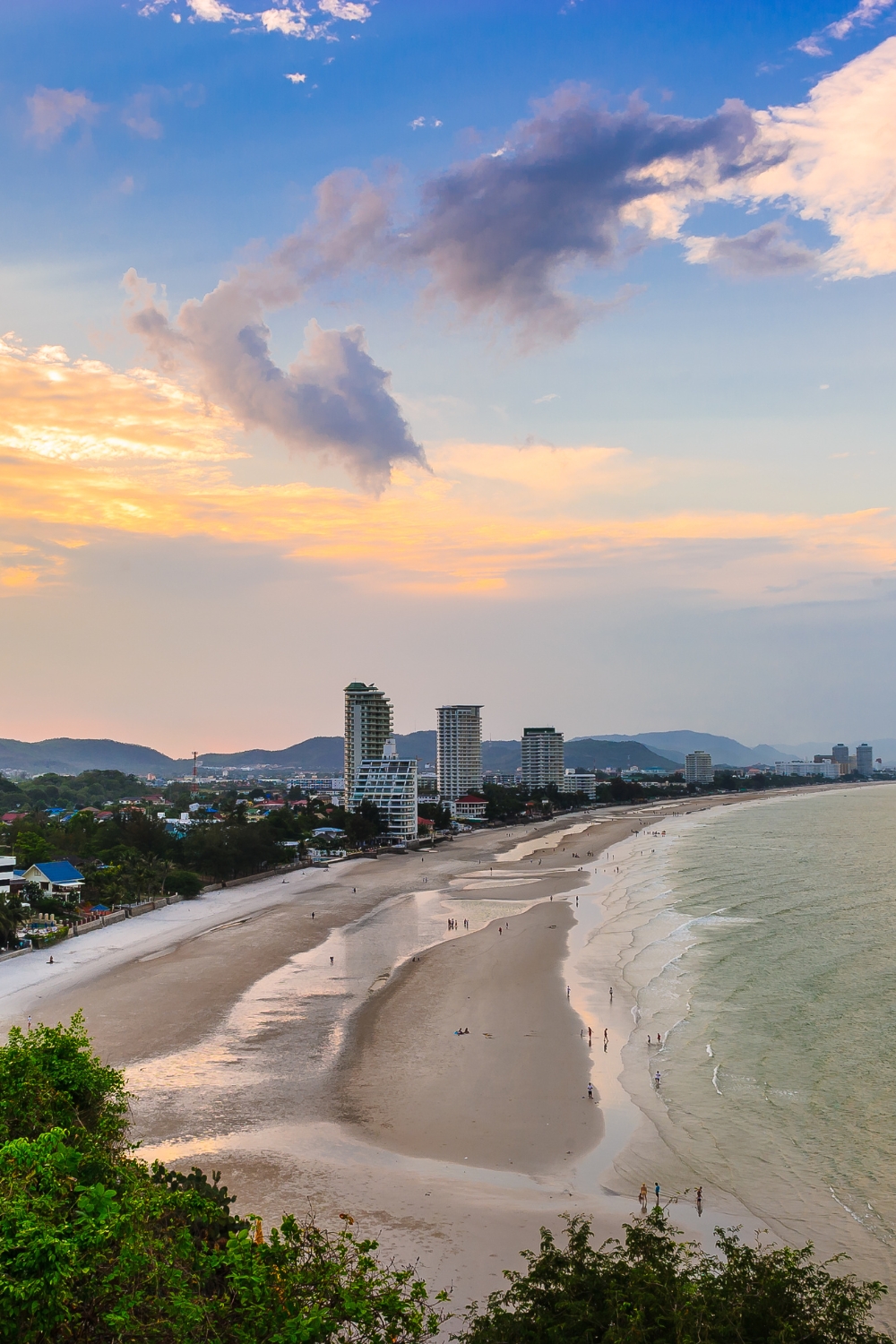
Hua Hin Beach stretches for 5 kilometers along the Gulf of Thailand, offering pristine white sand, gentle waves, and stunning sunsets that have captivated visitors for generations. This royal beach maintains its natural beauty while providing excellent facilities for swimming, sunbathing, and water sports.

Family-Friendly Swimming and Beach Activities

The beach’s calm, shallow waters make it ideal for families with children and swimmers of all skill levels. Unlike many Thai beaches, Hua Hin’s coastline remains relatively uncrowded, allowing visitors to find peaceful spots for relaxation even during peak tourist seasons.

Colorful wooden fishing boats dot the shoreline, creating picture-perfect scenes that reflect Hua Hin’s traditional fishing heritage. Local fishermen still launch their boats from the beach each morning, providing authentic glimpses of coastal Thai life.

Beach activities include horseback riding along the shore, kitesurfing, windsurfing, and banana boat rides. The southern end of the beach offers quieter areas for meditation and yoga, while the northern section provides more active water sports and beachfront dining options.

Best time to visit: Early morning for sunrise views or late afternoon for golden hour photography
Beach facilities: Restrooms, showers, umbrella rentals, and beachfront restaurants
Water sports: Kitesurfing, windsurfing, jet skiing, and parasailing available

2. Hua Hin Railway Station – Architectural Gem

Hua Hin Railway Station - Architectural Gem

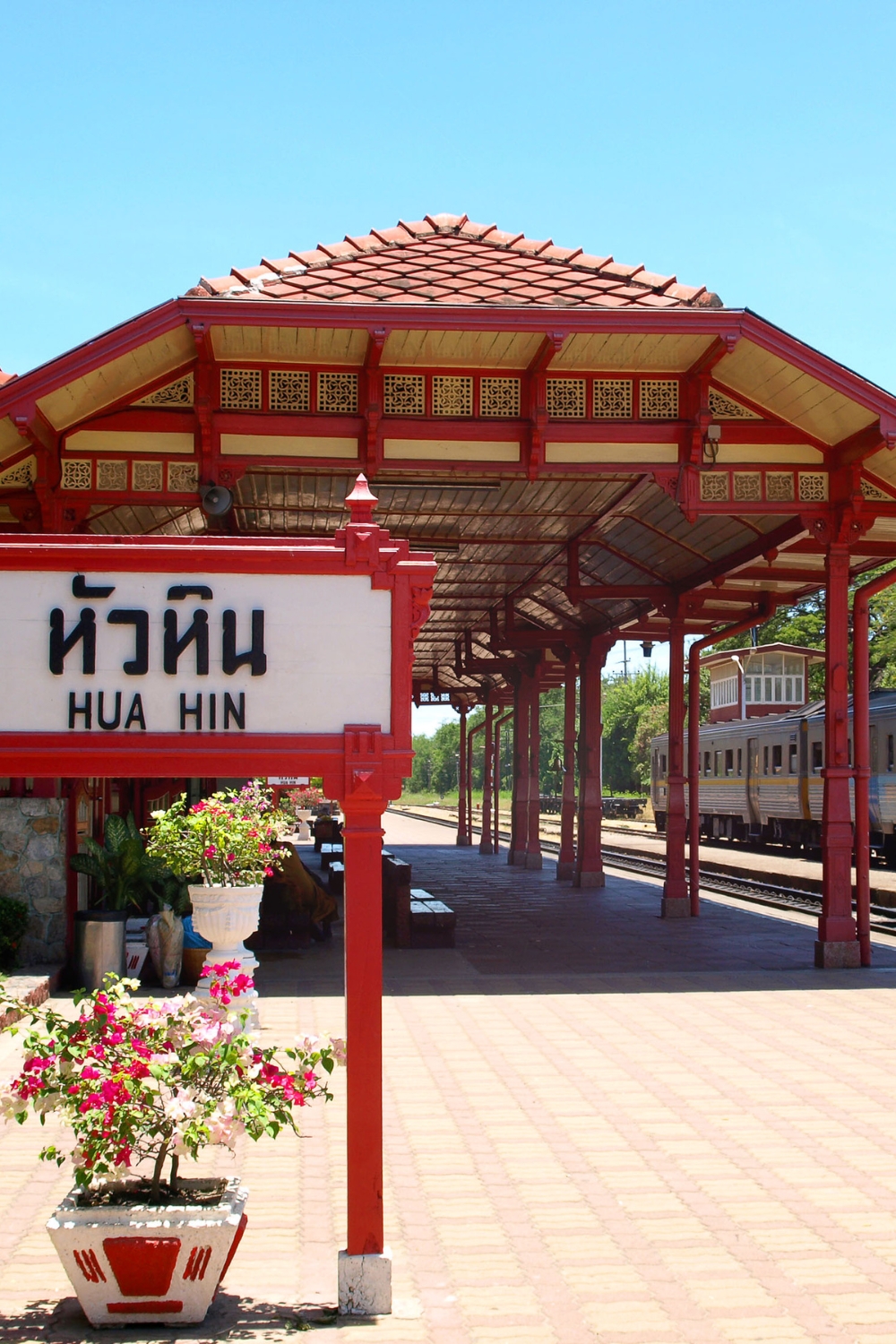
Hua Hin Railway Station ranks among Thailand’s most beautiful train stations, featuring stunning traditional Thai architecture that has remained virtually unchanged since its construction in 1926. This historic station serves as both a functioning transport hub and a popular tourist attraction.

Royal Waiting Room and Historic Architecture

The station’s most famous feature is the Sala Rong Nam (Royal Waiting Room), originally built for King Rama VII’s visits to Hua Hin. This elegant pavilion showcases classic Thai architectural elements including intricate wooden carvings, traditional roof lines, and vibrant red and gold decorations.

The main station building displays a perfect blend of European colonial and traditional Thai design influences. Its distinctive architecture reflects the era when European advisors influenced Thai construction while local craftsmen maintained traditional decorative techniques.

Trains still arrive daily from Bangkok’s Thonburi Station, making the railway station a practical starting point for exploring Hua Hin. The journey from Bangkok takes approximately 4 hours and offers scenic views of Thai countryside and coastal landscapes.

Historical significance: Built during King Rama VII’s reign as royal transportation hub
Architectural style: Thai traditional design with European colonial influences
Photography tips: Best lighting during morning hours for exterior shots

3. Cicada Market – Creative Night Bazaar

Cicada Market transforms Hua Hin’s evenings into vibrant celebrations of Thai creativity, featuring handmade crafts, artistic performances, and innovative street food. This award-winning night market focuses on supporting local artists and preserving traditional Thai handicraft skills.

Artisan Crafts and Cultural Performances

The market showcases authentic Thai handicrafts including hand-woven textiles, carved wooden sculptures, ceramic pottery, and silver jewelry created by local artisans. Unlike typical tourist markets, Cicada emphasizes quality craftsmanship and unique artistic designs.

Live cultural performances include traditional Thai music, folk dancing, puppet shows, and contemporary art exhibitions. The market’s outdoor amphitheater hosts concerts and theatrical performances that blend traditional and modern Thai cultural expressions.

Food vendors offer creative interpretations of classic Thai dishes alongside international fusion cuisine. The market’s restaurant area features communal seating where visitors can enjoy meals while watching cultural performances under the stars.

Operating hours: Friday to Sunday, 4:00 PM – 11:00 PM
Specialties: Handmade crafts, live performances, fusion cuisine
Cultural events: Traditional music and dance performances throughout the evening

4. Maruekhathaiyawan Palace – Teakwood Royal Residence

Maruekhathaiyawan Palace - Teakwood Royal Residence

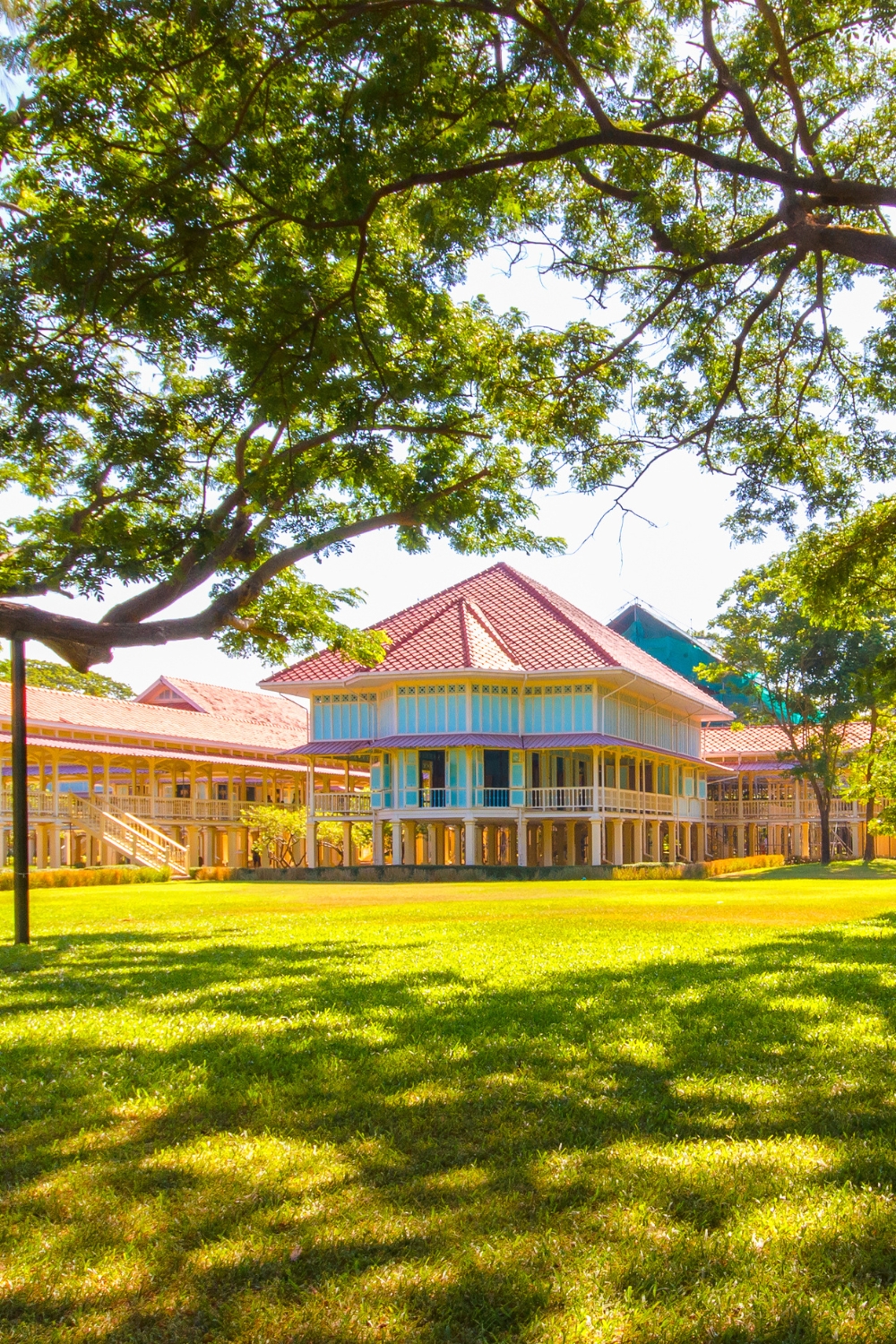
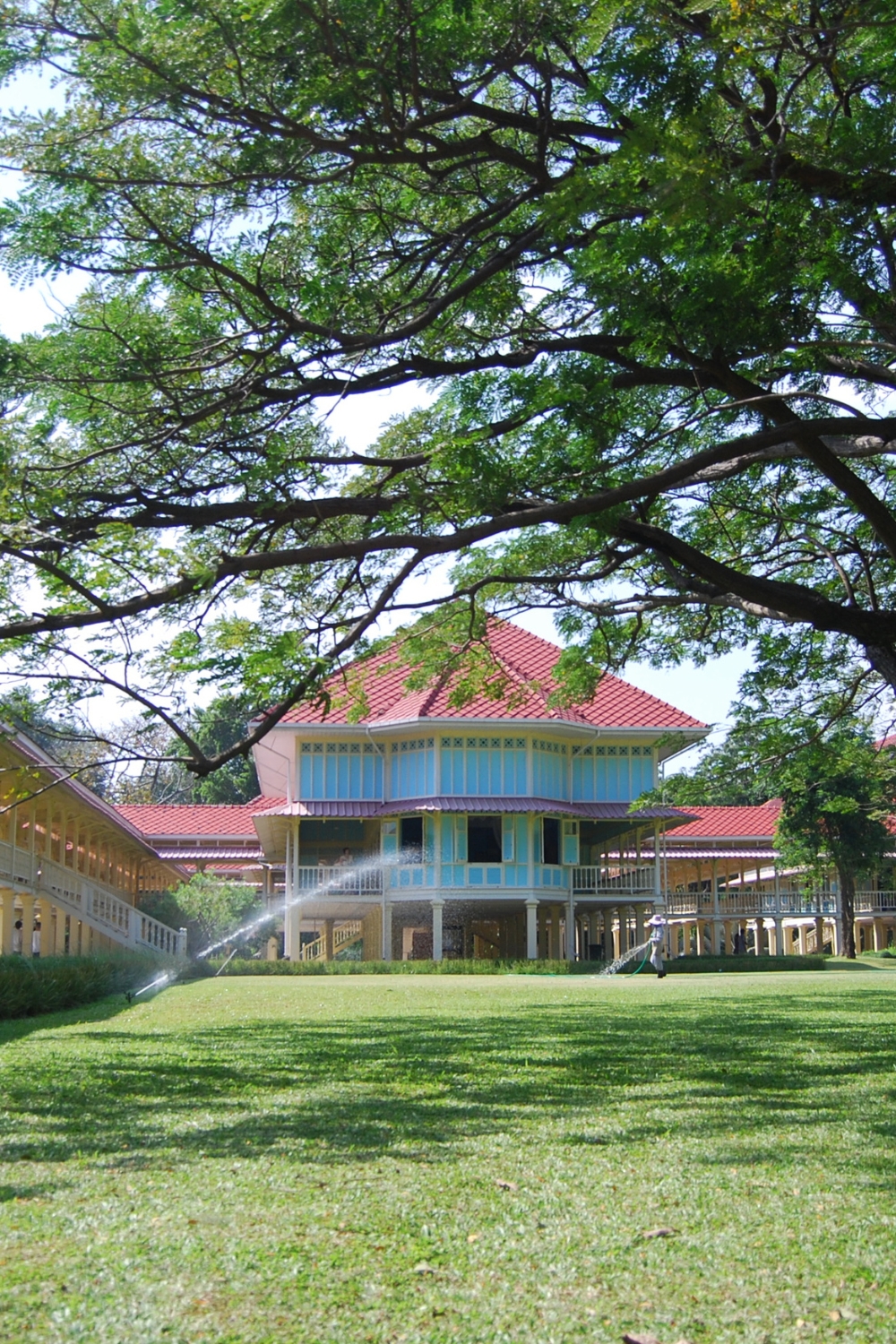
Maruekhathaiyawan Palace, known as the “Palace of Love and Hope,” represents one of Thailand’s most beautiful examples of traditional teakwood architecture. Built in 1923 as King Rama VI’s summer residence, this golden teakwood palace demonstrates royal architectural excellence.

Traditional Thai Royal Architecture

The palace consists of 16 connected buildings constructed entirely from golden teakwood without using a single nail. Traditional Thai joinery techniques hold the entire structure together, showcasing the incredible skill of early 20th-century Thai craftsmen.

Elevated walkways connect different palace sections, originally designed to catch sea breezes and provide natural cooling. The palace’s open-air design maximizes ventilation while offering stunning views of the surrounding pine forest and nearby coastline.

Each room displays period furniture, royal artifacts, and historical photographs that provide insight into royal life during the early modern period. The king’s private study, bedroom, and reception halls remain preserved exactly as they appeared during royal occupation.

Construction period: 1923-1924 during King Rama VI’s reign
Architectural features: Traditional teakwood construction, elevated walkways, natural ventilation
Guided tours: Available with detailed historical information about royal life

5. Khao Takiab (Monkey Mountain) – Temple and Panoramic Views

Khao Takiab (Monkey Mountain) - Temple and Panoramic Views

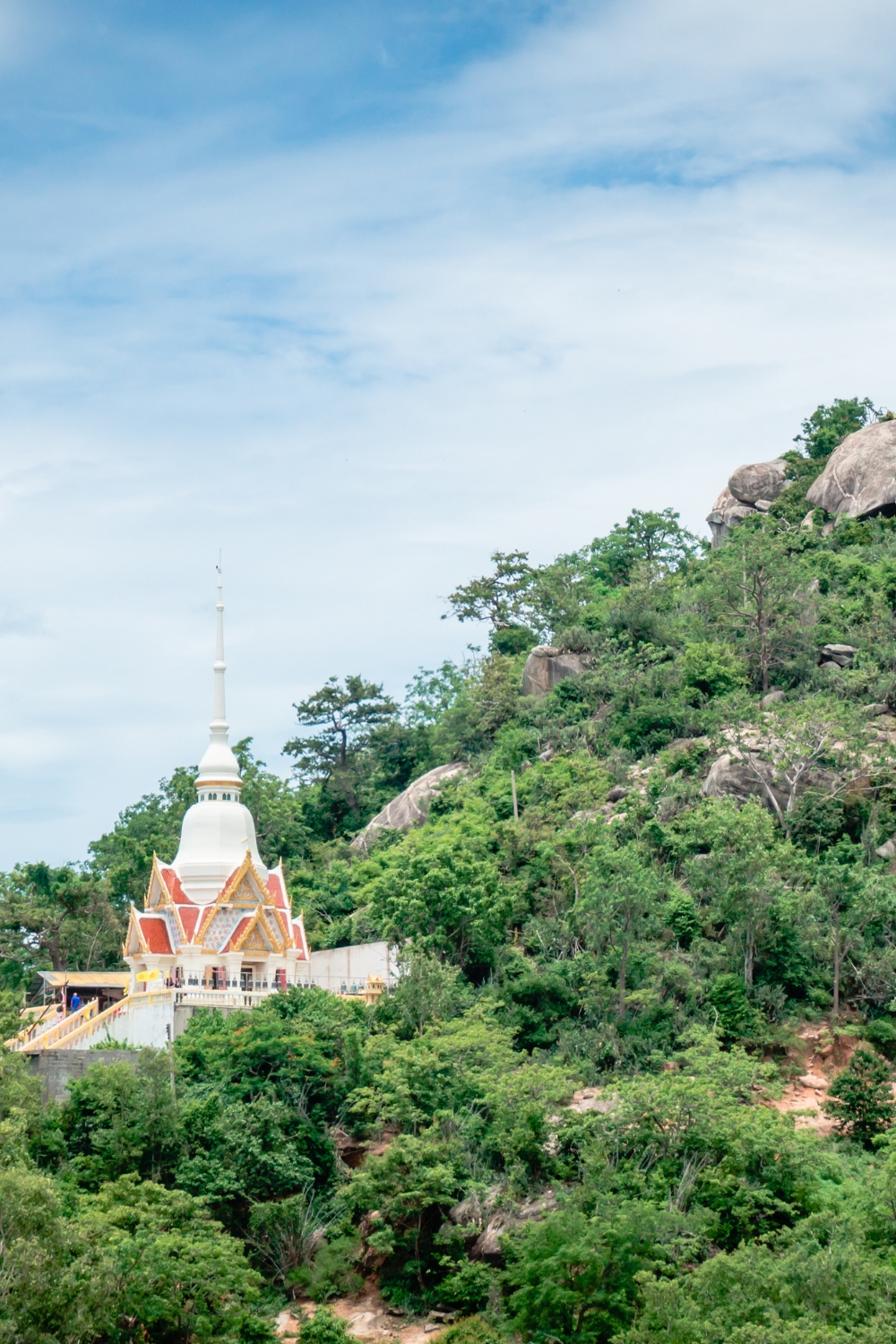
Khao Takiab rises 272 meters above sea level, creating Hua Hin’s most recognizable landmark topped by a gleaming white temple that can be seen from throughout the region. This sacred mountain offers spectacular panoramic views and important Buddhist pilgrimage sites.

Buddhist Temple Complex and Wildlife Encounters

Wat Khao Takiab temple complex crowns the mountain summit with impressive Buddha statues, ornate prayer halls, and meditation areas that attract Buddhist pilgrims from across Thailand. The temple’s white and gold architecture creates striking contrasts against blue sky and green forest backgrounds.

The mountain’s name translates to “Chopstick Hill” due to its pointed shape resembling giant chopsticks. Hundreds of macaque monkeys inhabit the mountain slopes, entertaining visitors but requiring caution as they can be aggressive when seeking food.

The climb to the summit takes 30-45 minutes via concrete stairs winding through tropical forest. Alternative transportation includes songthaews (shared taxis) that drive to parking areas near the temple complex.

Temple features: Golden Buddha statues, prayer halls, meditation areas
Wildlife: Macaque monkeys, tropical birds, monitor lizards
Climbing difficulty: Moderate, with stairs and rest areas along the route

6. Hua Hin Night Market – Street Food Paradise

Hua Hin Night Market represents the heart of local social life, offering authentic Thai street food, fresh seafood, and affordable shopping in a bustling atmosphere that captures the essence of Thai market culture.

Authentic Street Food and Local Shopping

The market’s food section features over 100 vendors serving everything from traditional som tam (papaya salad) and pad thai to fresh grilled seafood caught daily by local fishermen. Many stalls have operated for decades, perfecting family recipes passed down through generations.

Seafood restaurants within the market offer “choose your own” dining experiences where customers select fresh fish, prawns, crabs, and squid from ice displays. Skilled cooks prepare selections using traditional Thai cooking methods and authentic regional spices.

Shopping areas include clothing stalls, souvenir vendors, and local product sellers offering everything from Thai silk scarves to handmade soaps. Prices remain reasonable compared to tourist-focused shopping areas, making it popular with both locals and visitors.

Operating hours: Daily 6:00 PM – 12:00 AM
Specialties: Fresh seafood, traditional Thai street food, local handicrafts
Dining tips: Look for stalls with high customer turnover for the freshest food

7. Klai Kangwon Palace – Active Royal Residence

Klai Kangwon Palace - Active Royal Residence

Klai Kangwon Palace serves as the current Thai royal family’s official seaside residence, meaning “Far from Worries” in Thai. While the palace interior remains closed to public tours, its beautiful grounds and historical significance make it an important Hua Hin landmark.

Royal Heritage and Palace Grounds

Built in 1926 for King Rama VII, the palace has hosted every Thai monarch since its construction. The current King continues using the palace as his primary residence outside Bangkok, making Hua Hin an active center of modern Thai royal life.

The palace’s Spanish colonial architecture differs significantly from traditional Thai royal design, reflecting the international influences present during the early 20th century. White stucco walls and red tile roofs create Mediterranean aesthetics adapted for tropical climates.

Public areas around the palace offer peaceful walking paths through beautifully maintained gardens featuring tropical plants, ornamental ponds, and sculptured landscapes. The nearby beach areas provide excellent views of the palace’s seaside location.

Architectural style: Spanish colonial design with tropical adaptations
Current status: Active royal residence, exterior viewing only
Historical importance: Continuous royal use since 1926

8. Elephant Village – Ethical Wildlife Encounters

Elephant Village - Ethical Wildlife Encounters

Elephant Village provides ethical elephant encounters focused on conservation, education, and supporting rescued elephants in natural forest environments. This sanctuary prioritizes elephant welfare while offering visitors meaningful interactions with Thailand’s national animal.

Conservation Education and Elephant Care

The sanctuary houses rescued elephants from logging operations, street begging, and tourism exploitation. Professional mahouts (elephant keepers) provide expert care while educating visitors about elephant behavior, intelligence, and conservation challenges.

Educational programs teach visitors about elephant biology, social structures, and the threats facing wild elephant populations. Interactive feeding sessions allow close encounters while respecting elephant natural behaviors and maintaining safe distances.

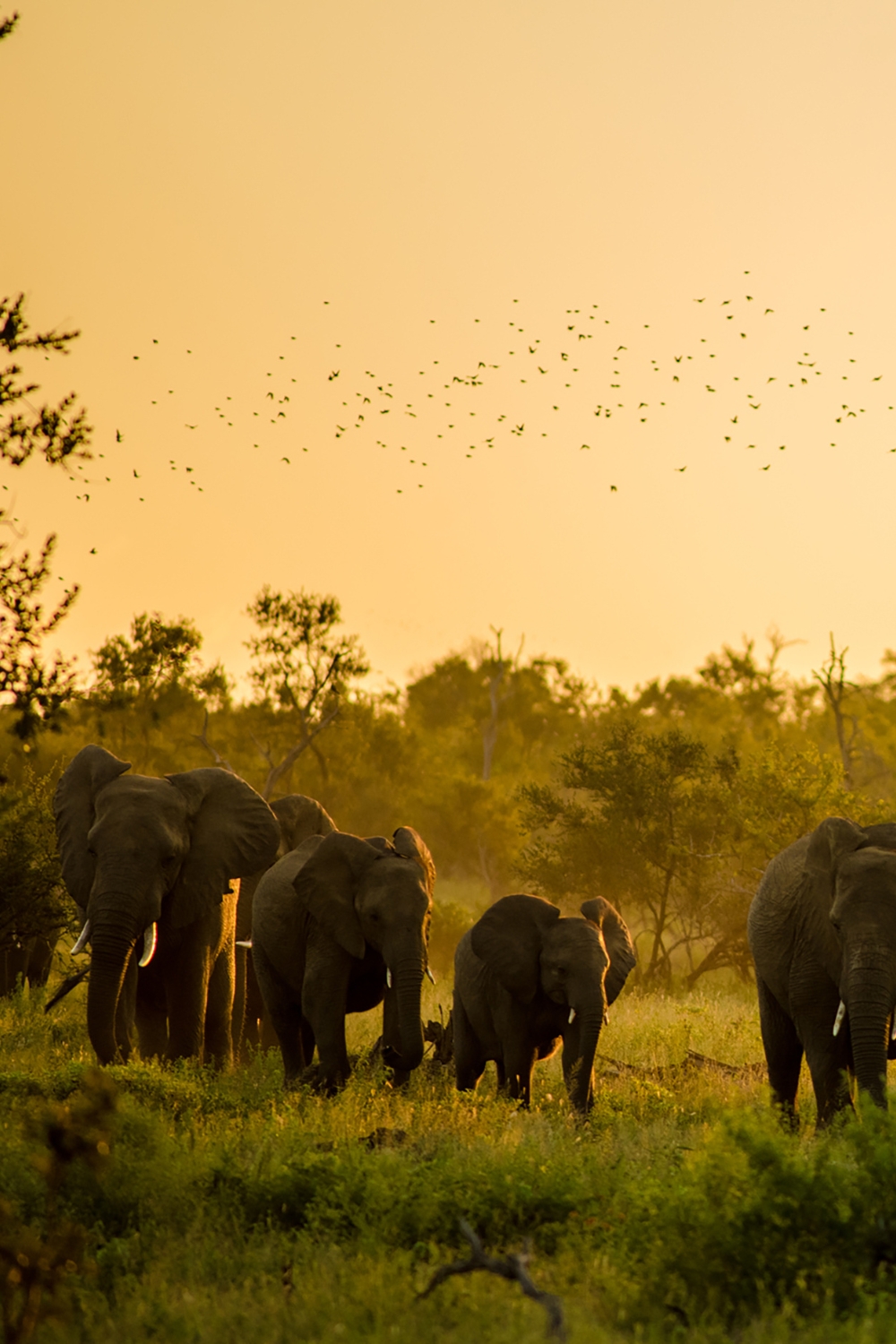
Forest walks with elephants provide opportunities to observe these magnificent animals in semi-natural environments. The sanctuary’s 200-acre forest setting allows elephants to roam, bathe in natural ponds, and engage in normal social behaviors.

Elephant activities: Feeding, bathing, forest walks, educational programs
Conservation focus: Rescued elephant rehabilitation and public education
Booking requirements: Advance reservations recommended, especially during peak season

9. Hua Hin Hills Vineyard – Tropical Wine Experience

Hua Hin Hills Vineyard - Tropical Wine Experience

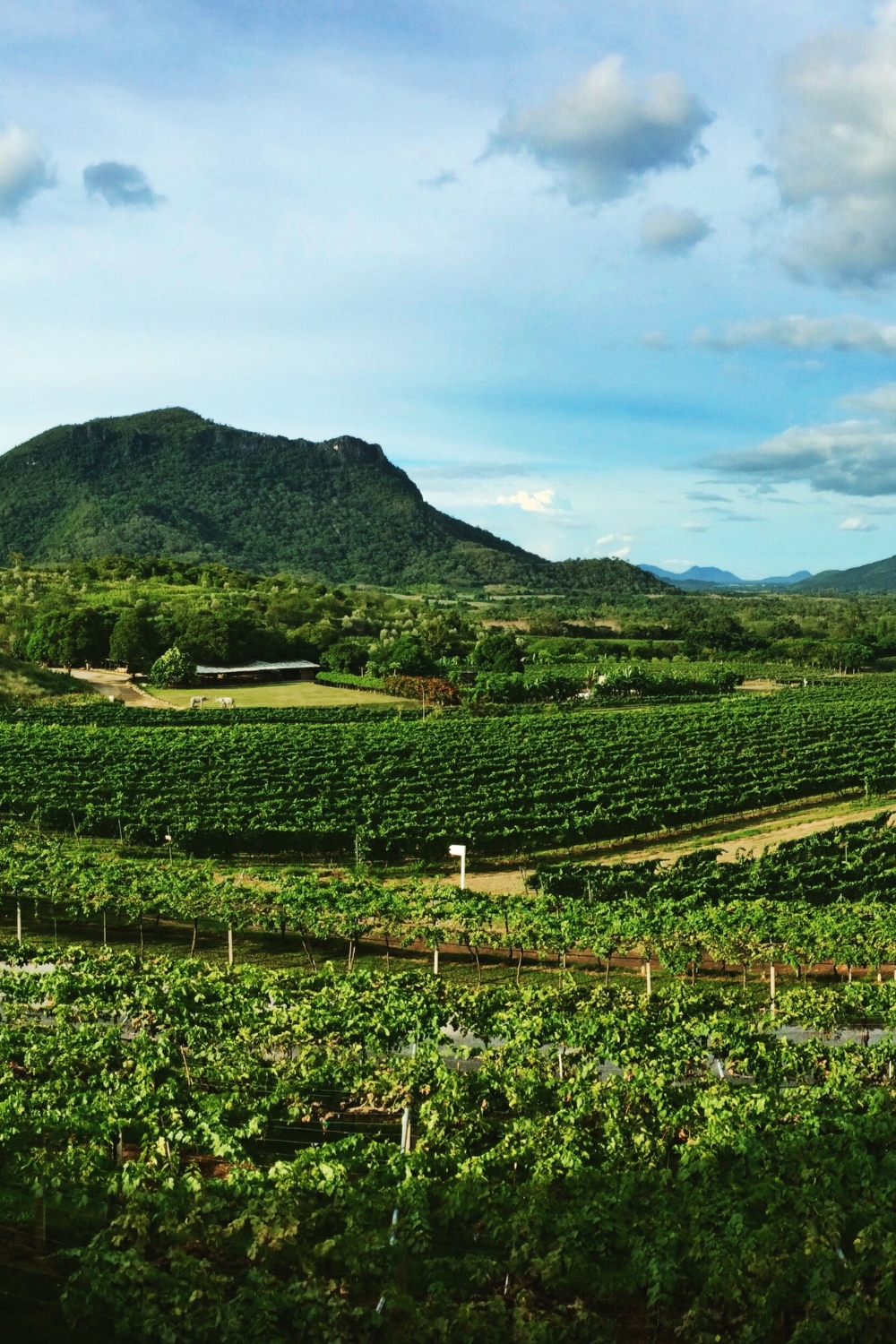
Hua Hin Hills Vineyard pioneers tropical winemaking in Thailand, creating award-winning wines from grapes grown in the unique climate conditions of coastal Thailand. This family-owned vineyard offers tours, tastings, and dining experiences in stunning hillside settings.

Winemaking Innovation and Scenic Dining

The vineyard grows both international grape varieties and experimental hybrids adapted to Thailand’s tropical climate. Innovative cultivation techniques include multiple harvests per year and specialized irrigation systems that manage monsoon rainfall patterns.

Wine tasting sessions include education about tropical winemaking challenges and techniques used to create quality wines in non-traditional climates. Professional sommeliers guide tastings of white, red, and sparkling wines produced entirely on-site.

The vineyard’s restaurant serves Mediterranean-Thai fusion cuisine paired with estate wines, offering dining terraces with panoramic views over vineyard slopes toward the Gulf of Thailand. Sunset dinner experiences provide romantic settings surrounded by grape vines and mountain landscapes.

Wine varieties: Chenin Blanc, Shiraz, Tempranillo, and experimental tropical hybrids
Tour options: Vineyard walks, winemaking demonstrations, tasting sessions
Dining: Mediterranean-Thai fusion cuisine with wine pairings

10. Sam Roi Yot National Park – Coastal Wilderness Adventure

Sam Roi Yot National Park - Coastal Wilderness Adventure

Sam Roi Yot National Park, located 30 kilometers south of Hua Hin, protects diverse coastal ecosystems including limestone mountains, pristine beaches, mangrove forests, and freshwater marshes. The park’s name means “Three Hundred Peaks,” referring to its dramatic limestone formations.

Limestone Caves and Pristine Beach Ecosystems

Phraya Nakhon Cave serves as the park’s most famous attraction, housing a royal pavilion built for King Rama V’s 1890 visit. Sunlight streaming through the cave’s collapsed roof creates magical illumination of the ornate pavilion, making it one of Thailand’s most photographed landmarks.

The park’s beaches remain completely undeveloped, offering pristine white sand, clear water, and nesting sites for sea turtles. Laem Sala Beach provides excellent swimming and snorkeling opportunities with minimal tourist development.

Freshwater marshes support over 300 bird species, making the park a premier birdwatching destination. Migratory species arrive between November and March, while resident tropical birds can be observed year-round.

Key attractions: Phraya Nakhon Cave, pristine beaches, birdwatching areas
Activities: Cave exploration, beach relaxation, wildlife photography, hiking
Best time to visit: November to April for optimal weather and wildlife viewing

Planning Your Hua Hin Adventure

Getting to Hua Hin

Hua Hin is easily accessible from Bangkok by multiple transportation options. The most convenient is driving or taking a bus, which takes approximately 3 hours via Highway 35. Train travel from Bangkok’s Thonburi Station offers scenic routes but takes longer at 4-5 hours.

Best Time to Visit

The ideal time to visit Hua Hin is during the cool dry season from November to February, when temperatures range from 20-30°C and rainfall is minimal. March to May can be hot and humid, while June to October brings monsoon rains.

Accommodation Options

Hua Hin offers accommodation ranging from budget guesthouses to luxury beach resorts. Beachfront hotels provide ocean views and easy beach access, while town center accommodations offer walking access to markets and restaurants.

Transportation Within Hua Hin

Renting a motorbike or car provides flexibility for exploring attractions outside town. Songthaews (shared taxis) connect major destinations within Hua Hin, while tuk-tuks offer convenient short-distance transportation.

Essential Travel Tips

Cultural Respect and Etiquette

When visiting temples and royal sites, dress modestly covering shoulders and knees. Remove shoes before entering temple buildings and maintain quiet, respectful behavior during religious ceremonies.

Beach and Ocean Safety

Hua Hin’s beaches are generally safe for swimming, but be aware of seasonal jellyfish and strong currents during monsoon periods. Use reef-safe sunscreen to protect marine ecosystems.

Wildlife Interaction Guidelines

When encountering monkeys at Khao Takiab or elephants at sanctuaries, maintain respectful distances and never feed wild animals. Follow guide instructions for safe and ethical wildlife experiences.

Local Cuisine Adventures

Hua Hin’s street food is generally safe, but choose vendors with high customer turnover for the freshest options. Try local specialties like hua hin-style fried noodles and fresh seafood preparations.

Conclusion

Hua Hin offers an enchanting blend of royal heritage, natural beauty, and authentic Thai culture that creates unforgettable travel experiences. From the architectural elegance of historic railway stations to the pristine wilderness of national parks, this coastal paradise provides diverse attractions for every type of traveler.

The town’s unique position as both a working fishing village and royal resort destination creates a fascinating cultural dynamic rarely found in other Thai beach destinations. Local communities maintain traditional ways of life while warmly welcoming visitors seeking authentic cultural exchanges.

Whether you’re interested in exploring Buddhist temples, sampling innovative cuisine, encountering elephants ethically, or simply relaxing on beautiful beaches, Hua Hin delivers experiences that satisfy both adventure seekers and relaxation enthusiasts.

Plan your Hua Hin journey with appreciation for its royal heritage, respect for its natural environments, and openness to cultural learning. This remarkable destination will provide insights into Thailand’s rich history while creating lasting memories of its present-day charm and hospitality.

Karnataka, often called the “Land of Contrasts,” is a captivating state in South India that offers an incredible diversity of experiences. From ancient temples and royal palaces to pristine beaches and misty hill stations, Karnataka seamlessly blends historical grandeur with natural beauty.
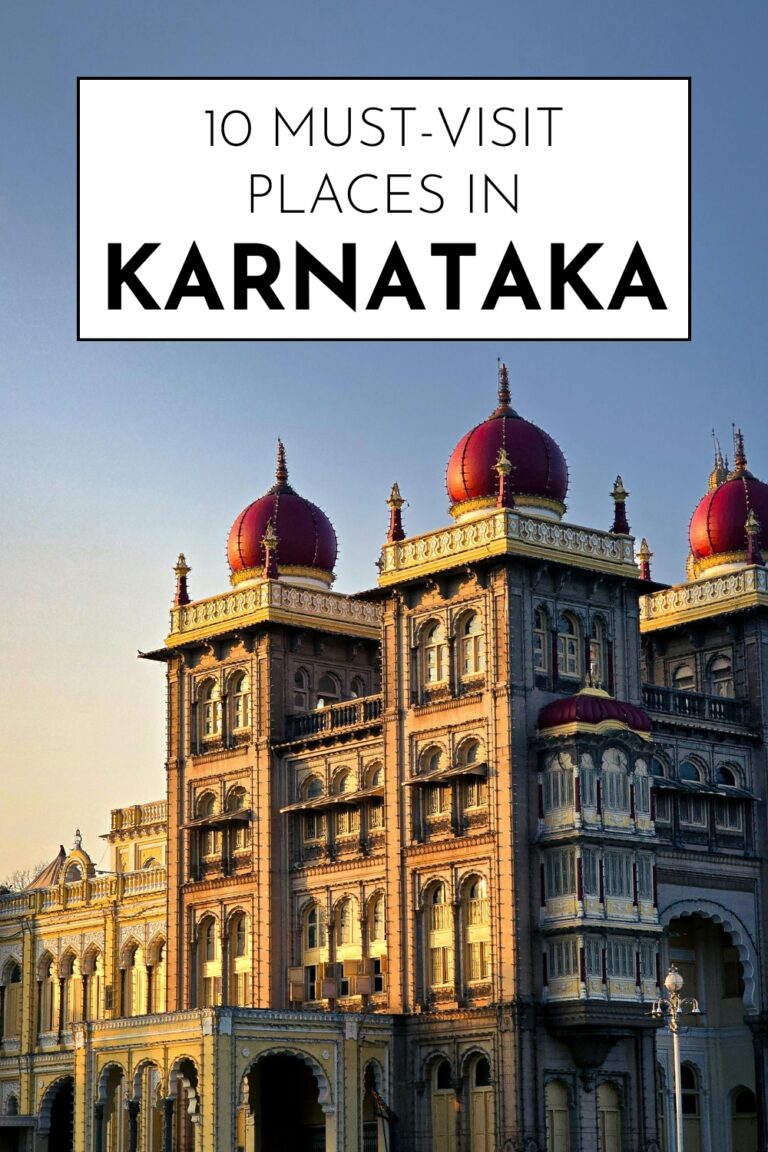
This remarkable state is home to UNESCO World Heritage Sites, bustling cosmopolitan cities, and untouched wilderness areas. Whether you’re a history enthusiast, nature lover, adventure seeker, or cultural explorer, Karnataka has something extraordinary to offer.

Let’s discover the ten most spectacular destinations that make Karnataka a must-visit state for every traveler seeking authentic Indian experiences.

1. Mysore – The City of Palaces

Mysore - The City of Palaces

Mysore stands as Karnataka’s cultural capital, renowned for its magnificent palaces, silk sarees, and rich royal heritage. This enchanting city was once the seat of the powerful Wodeyar dynasty and continues to mesmerize visitors with its architectural splendor.

Royal Grandeur and Cultural Heritage

The crown jewel of Mysore is the spectacular Mysore Palace, one of India’s most visited monuments. This Indo-Saracenic architectural marvel comes alive during the famous Dussehra festival when over 100,000 lights illuminate the palace, creating a magical spectacle.

The city’s tree-lined boulevards, bustling markets, and traditional neighborhoods offer glimpses into both royal history and contemporary Indian life. Don’t miss the vibrant Devaraja Market, where you can find everything from fresh jasmine flowers to aromatic spices.

Best time to visit: October to March

Must-see attractions: Mysore Palace, Chamundi Hills, Brindavan Gardens, St. Philomena’s Cathedral

2. Hampi – UNESCO World Heritage Wonder

Hampi - UNESCO World Heritage Wonder

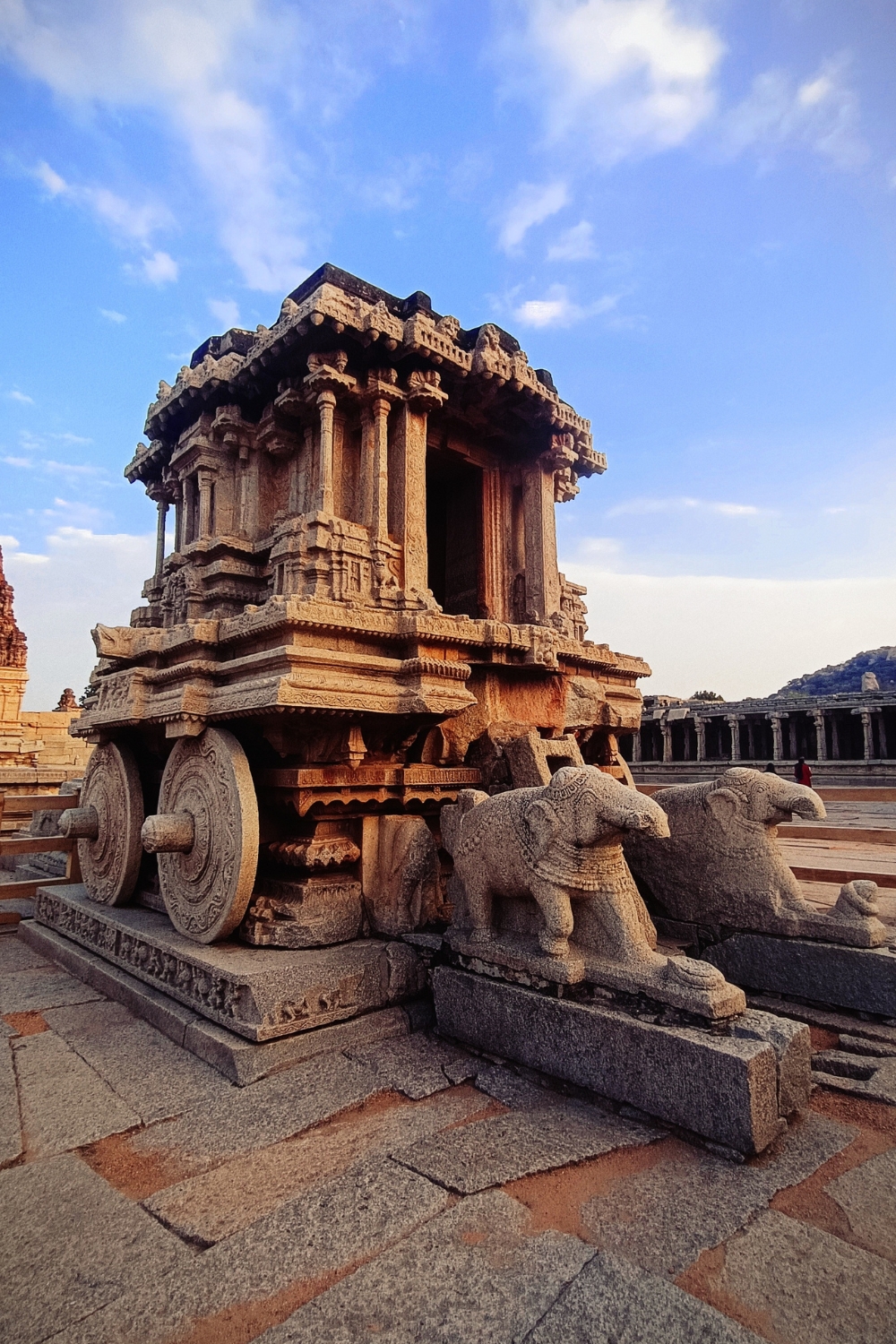
Hampi is an archaeological treasure that transports visitors back to the glorious era of the Vijayanagara Empire. This UNESCO World Heritage Site spans over 4,100 hectares and contains more than 1,600 surviving remains of temples, forts, and monuments.

Ancient Ruins and Timeless Beauty

The landscape of Hampi is as stunning as its historical significance. Massive granite boulders scattered across the terrain create a surreal backdrop for ancient temples and royal structures. The iconic Stone Chariot at Vittala Temple and the majestic Virupaksha Temple are masterpieces of medieval Indian architecture.

Exploring Hampi feels like walking through an open-air museum where every stone tells a story of India’s rich past. The sunset views from Matanga Hill are absolutely breathtaking and shouldn’t be missed.

Best time to visit: October to March

Key highlights: Virupaksha Temple, Vittala Temple, Lotus Mahal, Elephant Stables, Hampi Bazaar

3. Bangalore – India’s Silicon Valley

Bangalore - India's Silicon Valley

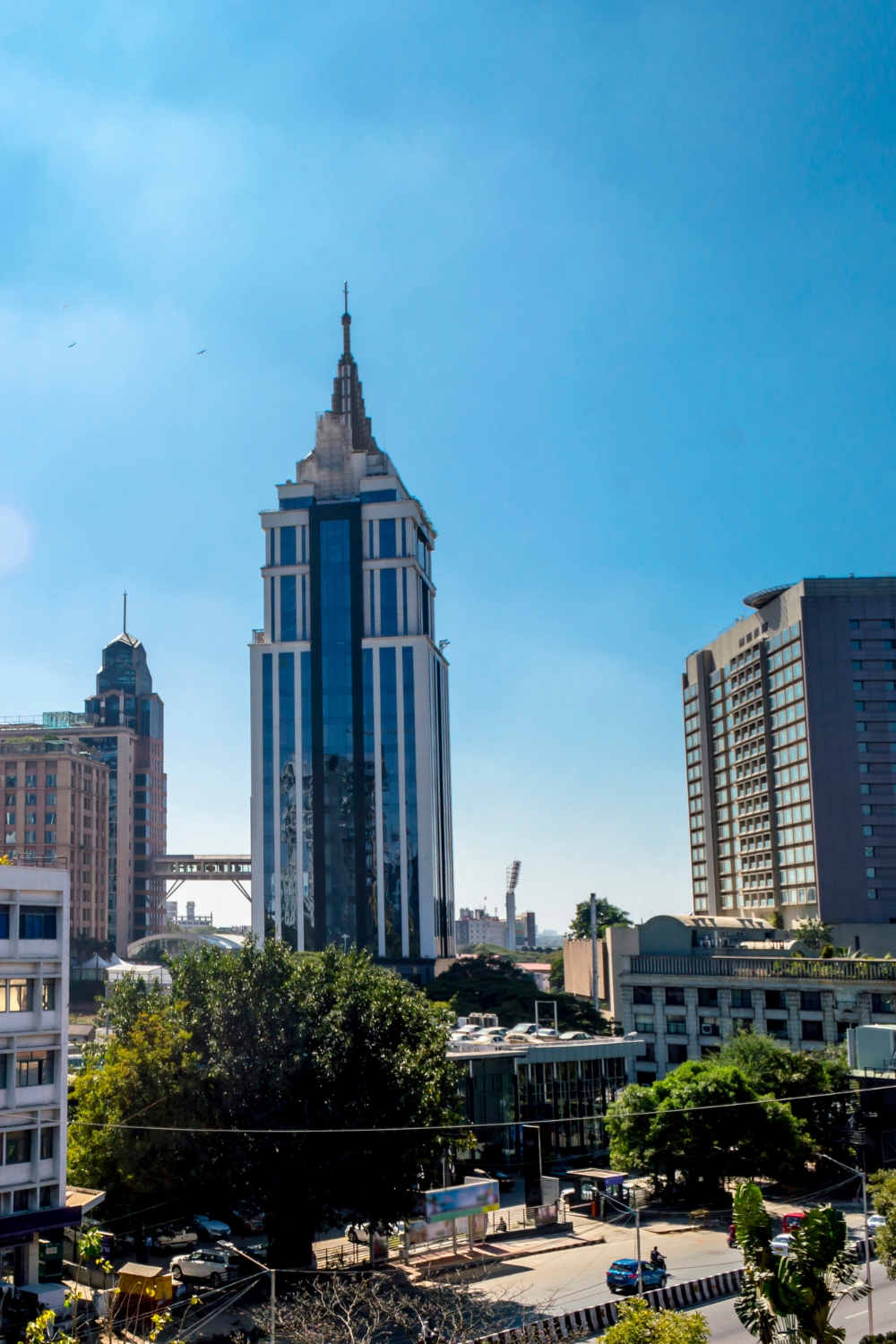
Bangalore, officially known as Bengaluru, is Karnataka’s vibrant capital city that perfectly balances modernity with tradition. Known worldwide as India’s Silicon Valley, this cosmopolitan city offers excellent weather, thriving nightlife, and incredible food culture.

Modern Metropolis with Traditional Charm

Despite its reputation as a tech hub, Bangalore retains its old-world charm through beautiful parks, traditional markets, and historical landmarks. Lalbagh Botanical Garden and Cubbon Park provide green retreats in the heart of the bustling city.

The city’s pub culture, diverse restaurants, and shopping destinations like Commercial Street and Brigade Road make it a favorite among young travelers. Bangalore also serves as an excellent base for exploring other Karnataka destinations.

Best time to visit: Year-round (pleasant climate)

Top attractions: Lalbagh Botanical Garden, Bangalore Palace, Tipu Sultan’s Summer Palace, Cubbon Park

4. Coorg (Kodagu) – Scotland of India

Coorg (Kodagu) - Scotland of India

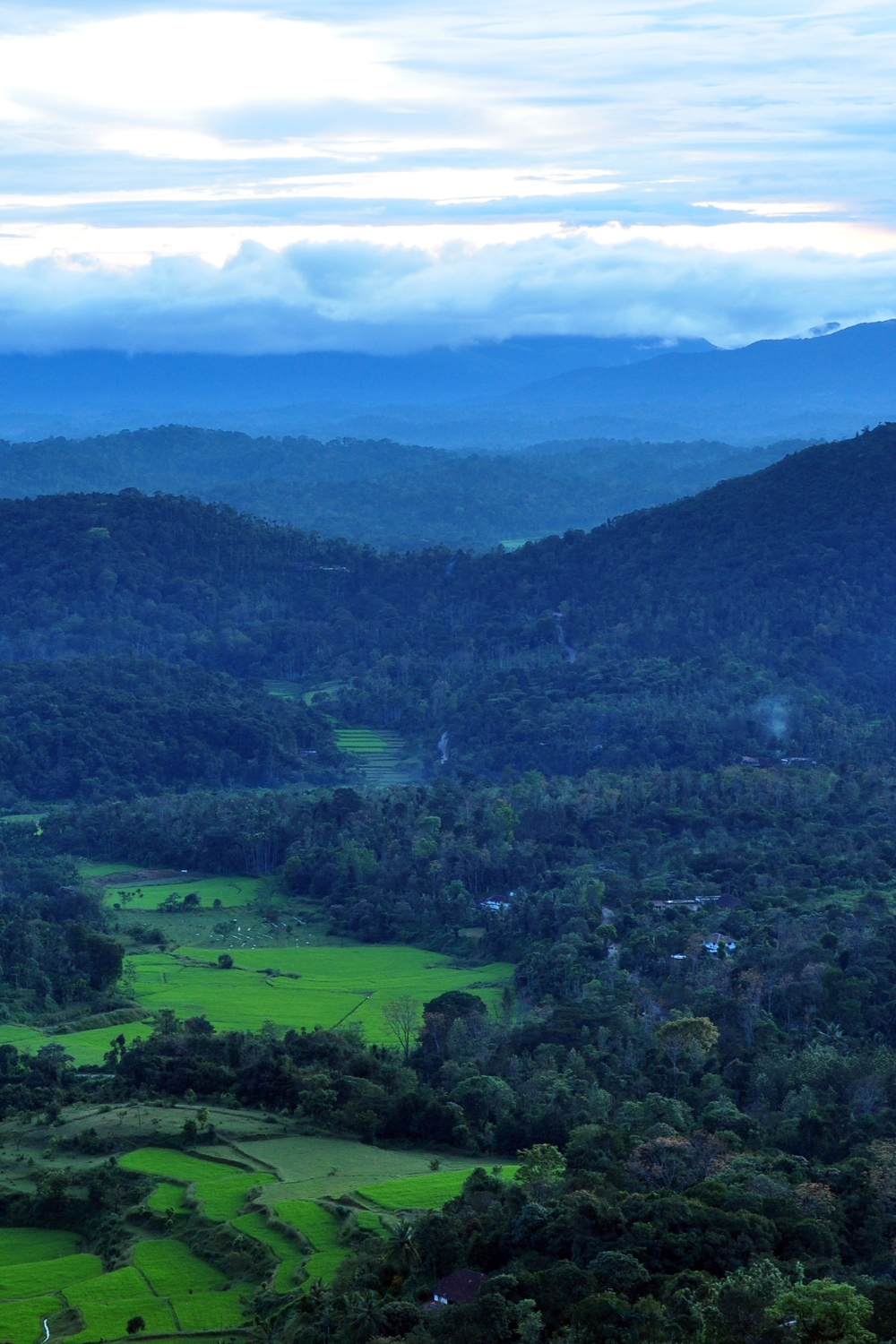
Coorg, nestled in the Western Ghats, is a picturesque hill station famous for its coffee plantations, misty landscapes, and warm hospitality. Often called the “Scotland of India,” this region offers a perfect escape from city life.

Coffee Plantations and Natural Beauty

The rolling hills covered with coffee and spice plantations create a mesmerizing green carpet across the landscape. Stay at a plantation homestay to experience authentic Coorgi culture and taste freshly brewed coffee while enjoying panoramic mountain views.

Adventure enthusiasts can enjoy trekking, river rafting, and wildlife spotting in the numerous national parks and forests surrounding Coorg. The region is also famous for its unique cuisine, particularly the spicy Coorgi pork curry.

Best time to visit: October to March

Must-do activities: Coffee plantation tours, trekking to Abbey Falls, visiting Dubare Elephant Camp, exploring Namdroling Monastery

5. Gokarna – The Beach Paradise

Gokarna - The Beach Paradise

Gokarna is a sacred town that combines spiritual significance with stunning beaches along the Arabian Sea coast. This laid-back destination offers a perfect alternative to Goa’s crowded beaches while maintaining its authentic coastal charm.

Sacred Temples and Pristine Beaches

The town is home to ancient temples, including the famous Mahabaleshwar Temple, which attracts pilgrims from across India. However, Gokarna’s main draw for travelers is its collection of beautiful beaches – Om Beach, Half Moon Beach, and Paradise Beach.

These beaches offer excellent opportunities for swimming, surfing, and simply relaxing while watching spectacular sunsets. The beach shacks serve delicious seafood and provide a perfect setting for unwinding by the sea.

Best time to visit: October to March

Beach highlights: Om Beach, Kudle Beach, Half Moon Beach, Paradise Beach, Mahabaleshwar Temple

6. Badami – Cave Temple Capital

Badami - Cave Temple Capital

Badami, the former capital of the Chalukya dynasty, is renowned for its magnificent rock-cut cave temples dating back to the 6th century. This archaeological gem showcases the artistic brilliance of ancient Indian craftsmen.

Rock-Cut Architecture and Historical Significance

The four main cave temples carved into red sandstone cliffs demonstrate a unique blend of Hindu, Jain, and Buddhist architectural styles. Each cave features intricate sculptures, detailed carvings, and beautiful pillared halls that reflect the religious tolerance of the Chalukya period.

The Agastya Lake at the foot of the caves adds to the scenic beauty, while the surrounding landscape of red rocks creates a dramatic backdrop for photography enthusiasts.

Best time to visit: October to March

Key attractions: Cave Temples, Bhutanatha Temples, Badami Fort, Agastya Lake

7. Chikmagalur – Coffee Land of Karnataka

Chikmagalur - Coffee Land of Karnataka

Chikmagalur is the birthplace of coffee cultivation in India and remains one of the most beautiful hill stations in Karnataka. This serene destination offers lush green landscapes, pleasant weather, and excellent trekking opportunities.

Coffee Heritage and Mountain Adventures

The region’s coffee estates offer guided tours where you can learn about coffee processing while enjoying the aromatic plantation atmosphere. Many estates also provide comfortable accommodation with stunning valley views.

Adventure lovers can trek to Mullayanagiri, Karnataka’s highest peak, or explore the beautiful Baba Budangiri hills. The area is also known for its wildlife sanctuaries and beautiful waterfalls during the monsoon season.

Best time to visit: September to March

Top experiences: Coffee plantation stays, trekking to Mullayanagiri, visiting Baba Budangiri, exploring Bhadra Wildlife Sanctuary

8. Belur and Halebidu – Hoysala Architecture Marvels

Belur and Halebidu - Hoysala Architecture Marvels

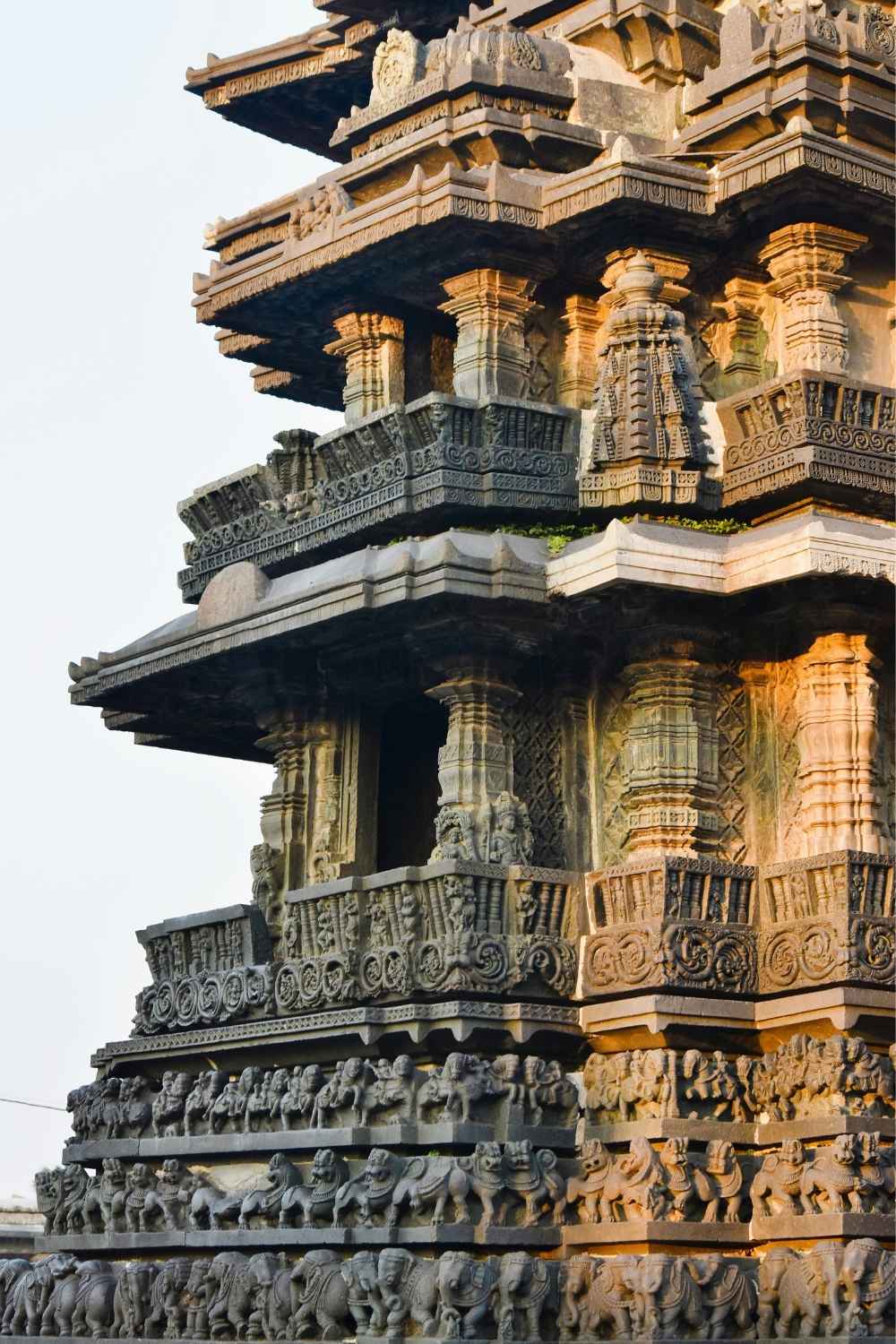
Belur and Halebidu represent the pinnacle of Hoysala architecture and are considered among India’s finest examples of medieval temple art. These twin destinations showcase intricate stone carvings that are unmatched in their detail and craftsmanship.

Architectural Masterpieces

The Chennakesava Temple in Belur took 103 years to complete and features incredibly detailed sculptures depicting scenes from Hindu epics. Every pillar, wall, and ceiling tells a story through stone carvings that seem almost alive.

Halebidu’s Hoysaleswara Temple, though never completed, displays even more elaborate sculptures and is considered a masterpiece of Indian architecture. The precision and artistry of these 12th-century temples continue to amaze visitors and scholars alike.

Best time to visit: October to March

Architectural highlights: Chennakesava Temple (Belur), Hoysaleswara Temple (Halebidu), intricate stone carvings

9. Jog Falls – India’s Second Highest Waterfall

Jog Falls - India's Second Highest Waterfall

Jog Falls is one of India’s most spectacular waterfalls, plunging 830 feet down in four distinct cascades. During the monsoon season, this natural wonder creates a breathtaking spectacle that attracts nature lovers from around the world.

Natural Wonder and Scenic Beauty

The waterfall is formed by the Sharavathi River and consists of four falls: Raja, Rani, Rover, and Rocket. The best views can be enjoyed from various viewpoints, with the main viewpoint offering panoramic vistas of the entire cascade.

The surrounding Western Ghats provide additional attractions including trekking trails, wildlife spotting opportunities, and beautiful landscapes. The nearby Linganamakki Dam and backwaters add to the region’s scenic appeal.

Best time to visit: August to January (monsoon for full flow, post-monsoon for pleasant weather)

Key features: Four-tiered waterfall, viewpoints, trekking trails, Sharavathi Wildlife Sanctuary

10. Udupi – Temple Town and Culinary Capital

Udupi - Temple Town and Culinary Capital

Udupi is a significant pilgrimage destination famous for the Krishna Temple and its unique culinary traditions. This coastal town has given India the popular “Udupi cuisine” and continues to be an important center of learning and spirituality.

Spiritual Heritage and Culinary Delights

The Krishna Temple, founded by the 13th-century saint Madhvacharya, attracts thousands of devotees daily. The temple’s unique tradition of worship and the famous “Kanakana Kindi” (window) through which Krishna is viewed make it a special spiritual experience.

Udupi cuisine, characterized by its pure vegetarian dishes, crispy dosas, and flavorful sambar, originated here. The town’s numerous restaurants and food stalls offer authentic South Indian flavors that food enthusiasts shouldn’t miss.

Best time to visit: October to March

Main attractions: Krishna Temple, Malpe Beach, St. Mary’s Islands, traditional Udupi restaurants

Planning Your Karnataka Adventure

Getting Around Karnataka

Karnataka has excellent connectivity with well-maintained highways connecting all major destinations. State-run buses provide affordable transportation, while private taxis and rental cars offer more flexibility for exploring at your own pace. The state also has good railway connectivity between major cities.

Best Time to Visit Karnataka

The ideal time to visit Karnataka is from October to March when the weather is pleasant and suitable for sightseeing. The monsoon season (June to September) brings heavy rainfall but transforms the landscape into a lush green paradise, especially beautiful for hill stations and waterfalls.

Cultural Experiences to Embrace

Karnataka offers rich cultural experiences including classical music concerts, traditional dance performances, and local festivals. Try to time your visit with festivals like Mysore Dasara, Karaga in Bangalore, or local temple festivals for authentic cultural immersion.

Conclusion

Karnataka truly deserves recognition as one of India’s most diverse and fascinating states. From the royal splendor of Mysore to the ancient ruins of Hampi, from the serene beaches of Gokarna to the misty hills of Coorg, each destination offers unique experiences that showcase India’s incredible heritage and natural beauty.
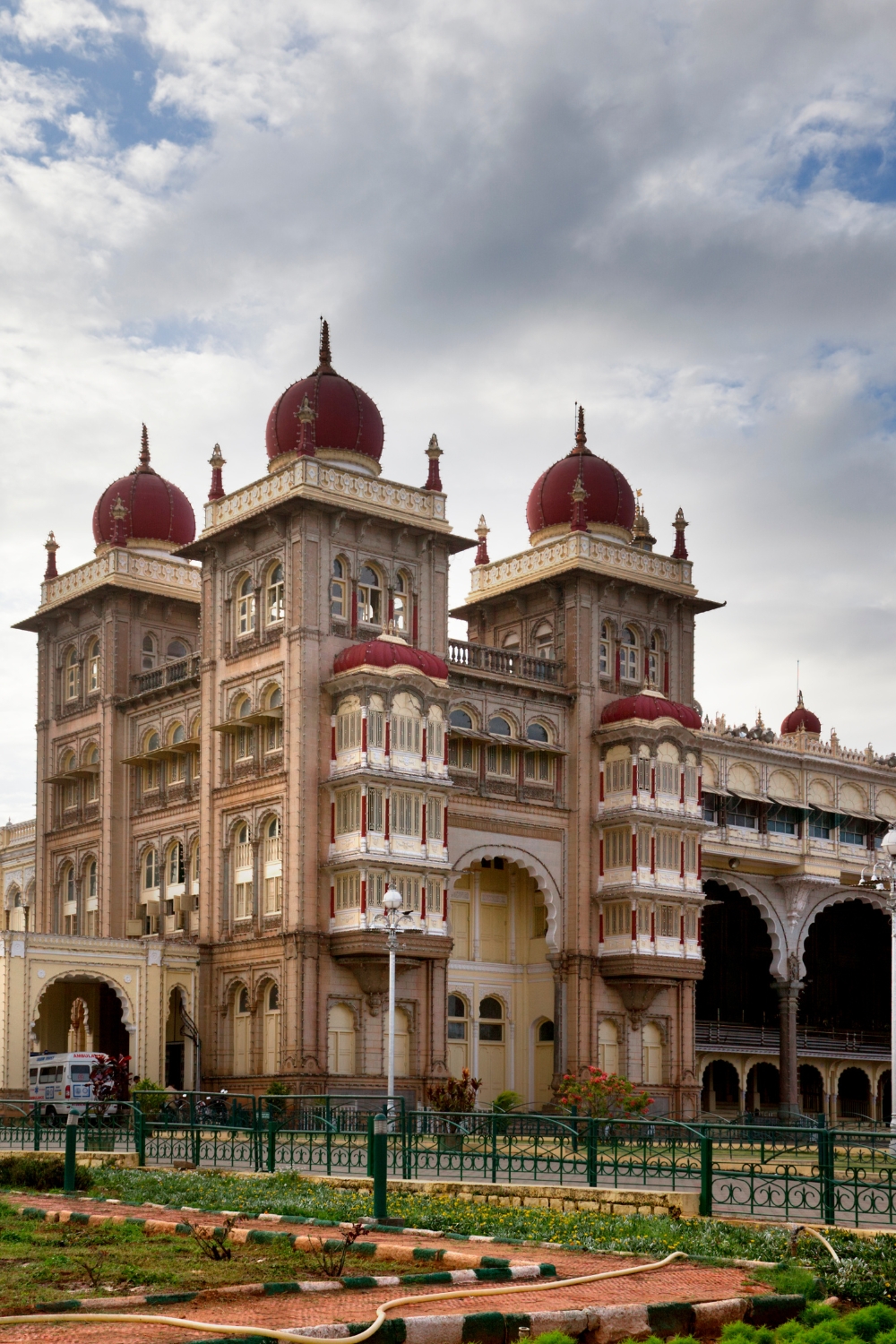
These ten must-visit places represent just a glimpse of Karnataka’s treasures. The state’s rich history, architectural marvels, diverse landscapes, and warm hospitality create memories that last a lifetime. Whether you’re seeking spiritual enlightenment, historical insights, natural beauty, or cultural experiences, Karnataka provides the perfect setting for an unforgettable Indian adventure.

Start planning your Karnataka journey today and prepare to be amazed by the incredible diversity and beauty that awaits in this remarkable South Indian state.

Chiang Mai, the cultural heart of Northern Thailand, captivates visitors with its perfect blend of ancient traditions and modern charm. This enchanting city, nestled in the mountainous region near the Myanmar and Laos borders, offers an incredible tapestry of golden temples, bustling night markets, lush mountains, and rich cultural experiences.

Known as the “Rose of the North,” Chiang Mai serves as Thailand’s spiritual and cultural center, home to over 300 temples and countless festivals throughout the year. Whether you’re seeking spiritual enlightenment, culinary adventures, outdoor thrills, or artistic inspiration, this northern gem delivers unforgettable experiences at every turn.

From sacred temple complexes that have stood for centuries to vibrant markets where locals and travelers mingle, Chiang Mai presents a slower, more authentic side of Thailand that keeps visitors coming back for more.

Let’s explore the ten most spectacular destinations that make Chiang Mai an essential stop on any Southeast Asian adventure.

1. Wat Phra That Doi Suthep – The Sacred Mountain Temple

Wat Phra That Doi Suthep - The Sacred Mountain Temple

Perched 1,073 meters above sea level on Doi Suthep mountain, this golden temple complex stands as Chiang Mai’s most iconic landmark and spiritual symbol. The temple’s gleaming chedi (pagoda) can be seen from virtually anywhere in the city, serving as a constant reminder of the region’s deep Buddhist heritage.

Legendary Origins and Spiritual Significance

According to local legend, a white elephant carrying a Buddha relic climbed this mountain, trumpeted three times, turned around three times, and died on this exact spot. This divine sign led to the construction of Wat Phra That Doi Suthep in 1383.

The temple houses sacred relics of Buddha, making it one of Northern Thailand’s most important pilgrimage sites. Devotees and tourists alike climb the 306-step Naga staircase (or take the cable car) to reach the golden chedi that dominates the temple complex.

Breathtaking Views and Temple Activities

Beyond its spiritual importance, the temple offers panoramic views of Chiang Mai city spread out below. Early morning and late afternoon visits provide the most spectacular lighting for photography and the most comfortable temperatures for exploration.

Best time to visit: Early morning (6-8 AM) or late afternoon (4-6 PM)

Key highlights: Golden chedi, panoramic city views, Naga staircase, sacred relics

Entry fee: 30 THB for foreigners

2. Chiang Mai Old City – Historic Cultural Quarter

Chiang Mai Old City - Historic Cultural Quarter

The Old City represents the heart of historical Chiang Mai, enclosed within ancient walls and moats that date back to 1296. This compact square kilometer contains the highest concentration of temples, traditional architecture, and cultural sites in the entire city.
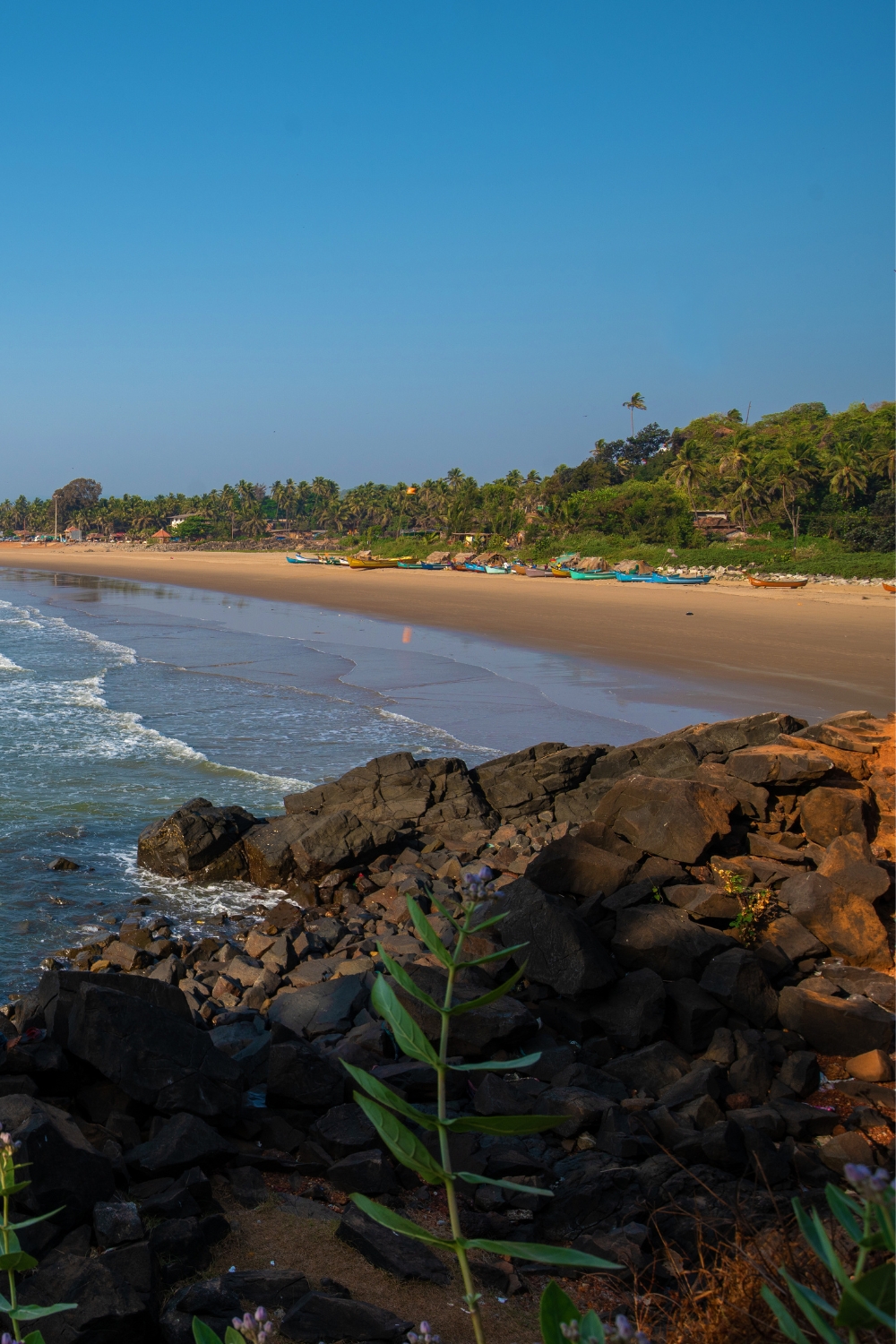
Ancient Walls and Temple Treasures

The Old City’s red brick walls and gates tell the story of the ancient Lanna Kingdom. Within these boundaries, you’ll discover some of Chiang Mai’s most beautiful temples, including Wat Chedi Luang with its massive ruined pagoda, and Wat Phra Singh, home to the revered Phra Singh Buddha image.

Walking through the narrow lanes reveals traditional wooden houses, hidden courtyards, and small shrines that locals still use for daily prayers. The area maintains its historical character while housing modern cafes, boutique hotels, and art galleries.

Cultural Immersion and Exploration

The Old City serves as the perfect base for exploring Chiang Mai on foot or by bicycle. Temple-hopping becomes easy when you can walk between sacred sites in just minutes. Sunday evenings transform the main street into the famous Walking Street Market.

Must-see temples: Wat Chedi Luang, Wat Phra Singh, Wat Chiang Man

Walking distance: Entire Old City walkable in 2-3 hours

Best exploration method: On foot or bicycle

3. Night Bazaar and Markets – Shopping and Street Food Paradise

Night Bazaar and Markets - Shopping and Street Food Paradise

Chiang Mai’s night markets create a sensory explosion of colors, aromas, and sounds that define the city’s evening culture. These bustling markets offer everything from handcrafted souvenirs to authentic street food, providing insight into local life and traditions.

Sunday Walking Street Market (Ratchadamnoen Road)

Every Sunday evening, the main road through the Old City transforms into Northern Thailand’s most famous market. Local artisans display handmade crafts, textiles, artwork, and traditional products along the historic street lined with ancient temples.

The market stretches for over a kilometer, with side streets branching off to create a maze of shopping opportunities. Traditional Lanna music performances and temple courtyards serving food add cultural depth to the shopping experience.

Saturday Night Market (Wua Lai Road)

The Saturday market on Wua Lai Road offers a more local atmosphere with fewer tourists and more authentic products. This market specializes in silverware, traditional crafts, and local textiles, reflecting the neighborhood’s history as the silversmith quarter.

Street food stalls serve Northern Thai specialties like khao soi (curry noodles), sai ua (Northern sausage), and sticky rice with mango. The relaxed atmosphere allows for better interaction with local vendors and artisans.

Best markets: Sunday Walking Street, Saturday Night Market, Night Bazaar

Operating hours: Typically 6 PM – 11 PM

Bargaining: Expected and welcomed

4. Elephant Nature Park – Ethical Elephant Sanctuary

Elephant Nature Park - Ethical Elephant Sanctuary

Elephant Nature Park represents a revolutionary approach to elephant tourism, focusing on rescue, rehabilitation, and ethical treatment of these magnificent creatures. Located 60 kilometers north of Chiang Mai, this sanctuary provides a natural home for elephants rescued from tourism, logging, and street begging.

Ethical Tourism and Elephant Welfare

Founded by Sangduen “Lek” Chailert, the park houses over 70 elephants in a natural environment where they can roam freely, socialize, and exhibit natural behaviors. Visitors observe elephants without riding them, instead learning about their individual stories and participating in feeding and bathing activities.

The park’s approach has inspired similar sanctuaries throughout Thailand and has changed how many tourists view elephant tourism. Educational programs teach visitors about elephant behavior, the problems with traditional elephant tourism, and conservation efforts.

Full-Day and Overnight Experiences

Day visits include transportation from Chiang Mai, guided tours, elephant feeding, and traditional Thai lunch. Overnight programs offer deeper immersion, including evening observations and more extensive learning opportunities about elephant care and behavior.

The park also rescues dogs, cats, and other animals, creating a comprehensive animal welfare facility that demonstrates sustainable and ethical tourism practices.

Visit options: Day trips, overnight stays, volunteer programs

Booking: Advanced reservation required

Transportation: Included from Chiang Mai hotels

Philosophy: No riding, no shows, natural interaction only

5. Doi Inthanon National Park – Thailand’s Highest Peak

Doi Inthanon National Park - Thailand's Highest Peak

Doi Inthanon National Park encompasses Thailand’s highest mountain at 2,565 meters above sea level, earning it the nickname “The Roof of Thailand.” This mountainous park offers cooler temperatures, diverse ecosystems, and stunning natural beauty just 90 minutes from Chiang Mai.

Mountain Peaks and Natural Wonders

The park’s diverse elevation creates multiple climate zones, from tropical lowlands to temperate mountain forests. Over 400 bird species call the park home, making it one of Thailand’s premier birdwatching destinations.

The summit area features two pagodas built to honor King Bhumibol and Queen Sirikit, surrounded by landscaped gardens that bloom with colorful flowers year-round. The cooler mountain climate supports plants and flowers that don’t grow elsewhere in Thailand.

Waterfalls and Hiking Trails

Multiple waterfalls cascade through the park, including the spectacular Wachirathan Falls and the multi-tiered Mae Klang Falls. Hiking trails range from easy walks around the summit to challenging treks through primary forest.

The park’s trail system leads to hill tribe villages, coffee plantations, and scenic viewpoints. Early morning visits often reward hikers with sea of mist views over the surrounding valleys.

Key attractions: Thailand’s highest peak, pagodas, waterfalls, bird watching

Best time to visit: November to February (cool and dry)

Activities: Hiking, bird watching, photography, cultural visits

Distance from Chiang Mai: 90 kilometers (1.5-2 hours)

6. Wat Chedi Luang – Ancient Temple Complex

Wat Chedi Luang stands as one of Chiang Mai’s most historically significant temples, dominated by the ruins of a massive 14th-century pagoda that once reached 80 meters in height. This temple complex showcases classic Lanna architecture and houses important religious artifacts.

Historical Significance and Architecture

Built in 1391, the temple’s main chedi was the tallest structure in ancient Chiang Mai until an earthquake in 1545 reduced it to its current 60-meter height. The impressive ruins still dominate the temple grounds, creating one of Thailand’s most photogenic religious sites.

The temple once housed the famous Emerald Buddha (now in Bangkok’s Wat Phra Kaew) and remains an active center of Buddhist worship. The combination of ancient ruins and active temple life provides visitors with both historical insight and spiritual atmosphere.

Monk Chats and Cultural Learning

Wat Chedi Luang offers daily “Monk Chat” programs where visitors can practice English with Buddhist monks while learning about Buddhism, Thai culture, and temple life. These informal conversations provide rare opportunities for cultural exchange and spiritual discussion.

The temple grounds include several smaller buildings, spirit houses, and a large sacred tree believed to protect the city. Evening visits offer particularly atmospheric lighting of the ancient chedi.
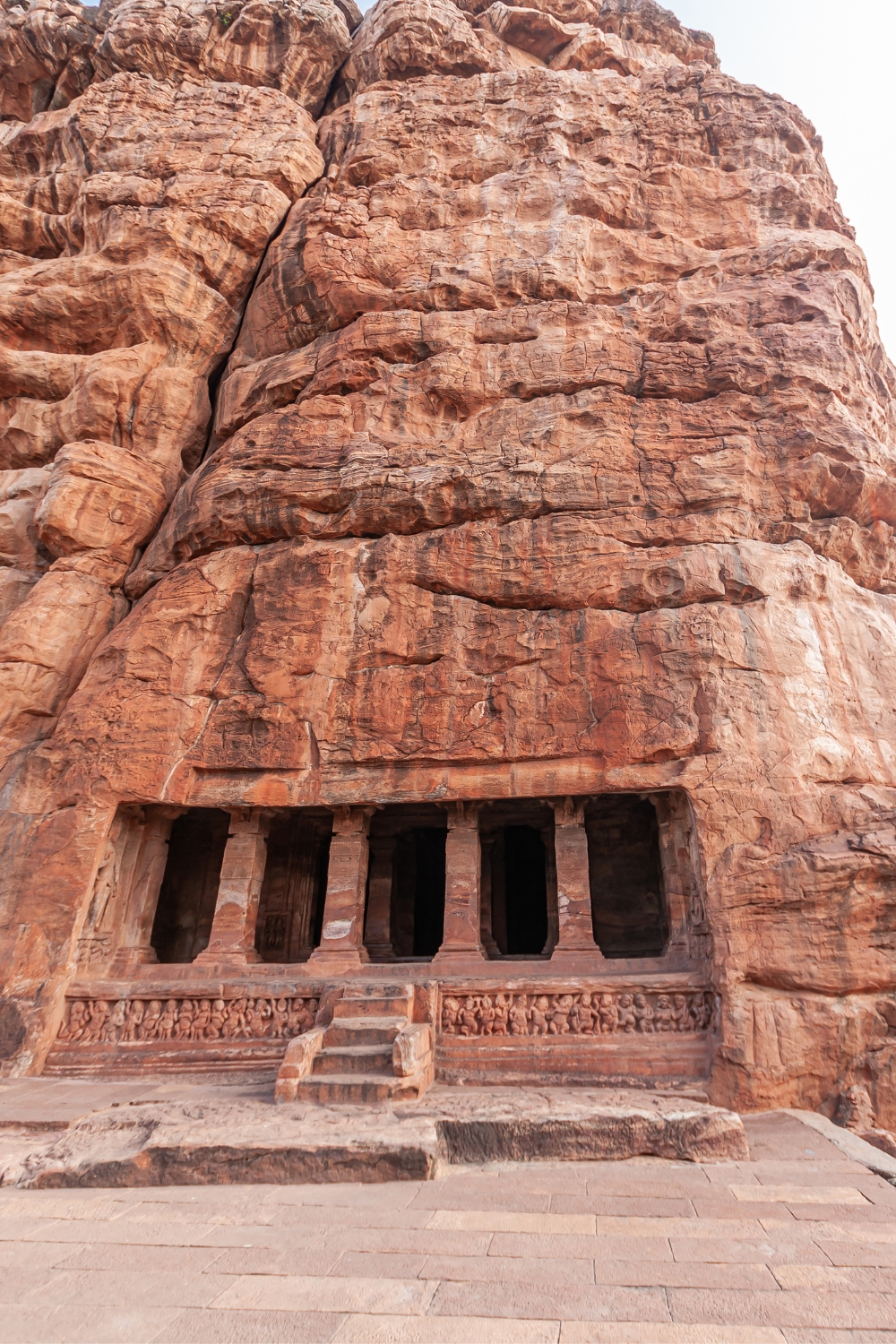
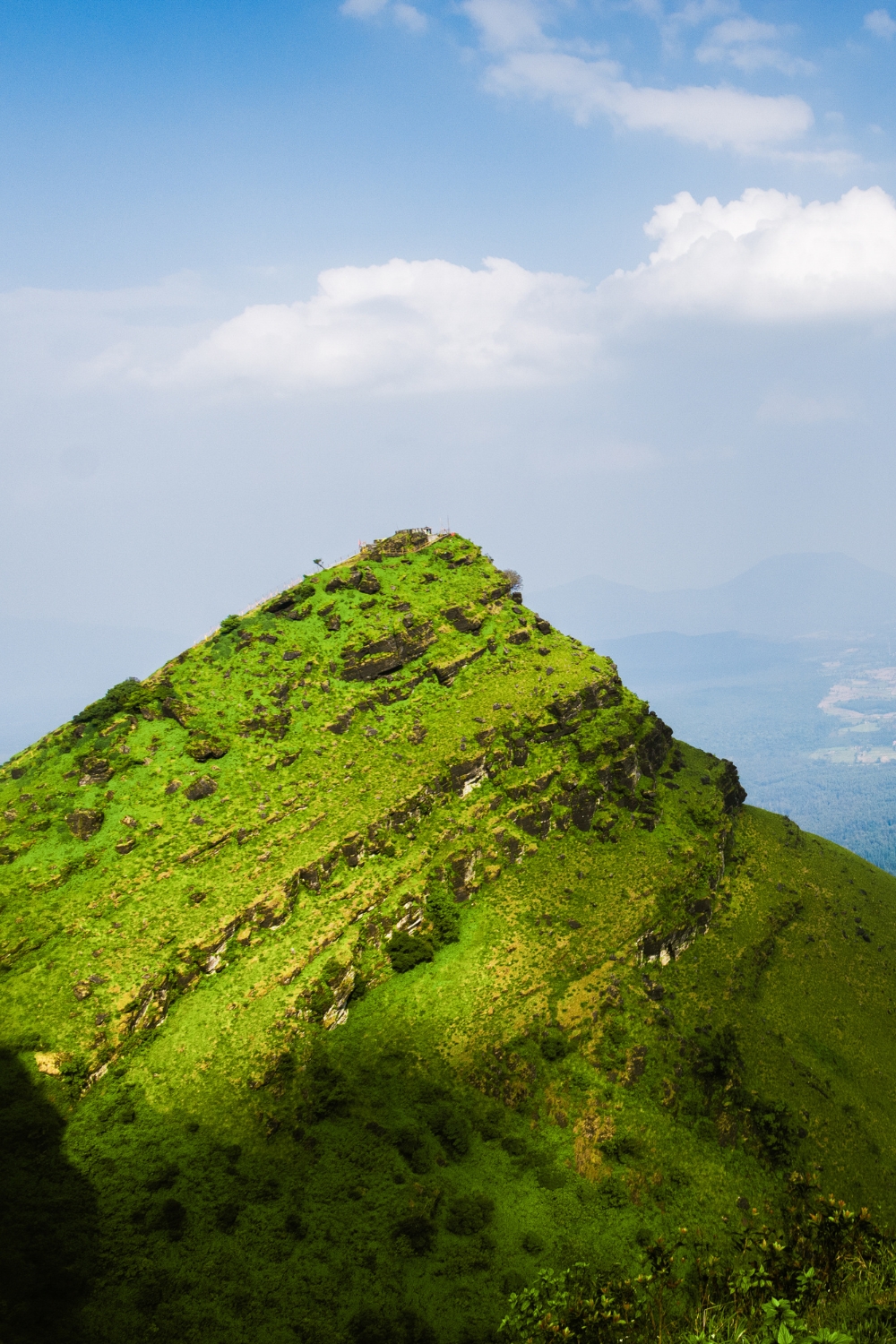
Historical period: Built 1391, earthquake damage 1545

Main feature: 60-meter ruined chedi

Cultural programs: Daily monk chats

Location: Heart of Old City

7. Bua Thong Sticky Waterfalls – Natural Wonder

Bua Thong Sticky Waterfalls - Natural Wonder

The Bua Thong Waterfalls, known as the “Sticky Waterfalls,” offer one of Northern Thailand’s most unique natural experiences. Located 60 kilometers north of Chiang Mai, these limestone waterfalls allow visitors to climb directly up the waterfall surface without slipping.

Unique Limestone Formation

The waterfall’s limestone surface creates a naturally grippy texture that provides excellent traction even when wet. Mineral deposits from the water create this unique surface that feels sticky but doesn’t leave any residue on skin or clothing.

The multi-tiered waterfall flows through tropical forest, creating several pools and climbing sections of varying difficulty. The limestone formations also create small caves and interesting rock formations throughout the area.

Natural Swimming and Adventure

Visitors can climb up and down the waterfall freely, jump into natural pools, and explore the surrounding forest trails. The unique experience of walking up a flowing waterfall attracts adventurous travelers seeking something different from typical tourist attractions.

The site remains relatively undeveloped, maintaining its natural character while providing basic facilities. The forest setting offers shade and cooler temperatures compared to Chiang Mai city.

Unique feature: Climbable limestone waterfall surface

Activities: Waterfall climbing, swimming, forest hiking

Distance: 60 kilometers north of Chiang Mai

Best time: Year-round, but less crowded on weekdays

8. Wat Phra Singh – Golden Temple Masterpiece

Wat Phra Singh - Golden Temple Masterpiece

Wat Phra Singh ranks among Chiang Mai’s most important temples, housing the revered Phra Singh Buddha image and showcasing the finest examples of classical Lanna architecture. Built in 1345, this temple complex represents the pinnacle of Northern Thai artistic achievement.

Sacred Buddha Image and Religious Importance

The temple’s main attraction is the Phra Singh Buddha image, a highly revered statue that gives the temple its name. This sacred image plays a central role in Chiang Mai’s Songkran (water festival) celebrations when it’s paraded through the city streets.

The Wihan Lai Kham (assembly hall) contains some of Thailand’s most beautiful murals, depicting scenes from Buddhist stories and local Lanna life. These 19th-century paintings provide insight into historical Northern Thai culture and artistic traditions.

Architectural Excellence and Artistic Heritage

The temple’s buildings represent classic Lanna architectural style with multi-tiered roofs, intricate wood carvings, and gold-decorated facades. The main ordination hall features elaborate decorations and houses important religious ceremonies.

Daily temple activities include morning and evening chanting sessions that visitors can observe respectfully. The temple school and monk quarters show the continuing role of temples in Thai education and community life.

Built: 1345

Main attraction: Phra Singh Buddha image

Artistic highlight: Wihan Lai Kham murals

Architectural style: Classic Lanna

9. Chiang Mai University and Surrounding Area – Modern Cultural Hub

Chiang Mai University area represents the city’s modern, cosmopolitan side while maintaining connections to traditional culture. This vibrant neighborhood offers excellent restaurants, trendy cafes, art galleries, and nightlife venues popular with students, expats, and travelers.

Educational and Cultural Center

Founded in 1964, Chiang Mai University serves as Northern Thailand’s premier educational institution. The campus features beautiful gardens, modern architecture, and an art museum that showcases contemporary Thai and international artists.

The surrounding Nimman Road (Nimmanhaemin) has evolved into Chiang Mai’s trendiest district, filled with boutique hotels, international restaurants, craft beer bars, and designer shops. This area attracts young Thais, international students, and modern travelers.

Dining and Entertainment Hub

The university area offers Chiang Mai’s most diverse dining scene, from street food stalls serving authentic Northern Thai dishes to upscale restaurants featuring international cuisine. Rooftop bars provide views over the city and mountains.

Art galleries, live music venues, and cultural spaces create a dynamic nightlife scene different from the traditional tourist areas. Weekend markets and festivals regularly showcase student creativity and local culture.

Key area: Nimman Road (Nimmanhaemin)

Atmosphere: Modern, trendy, international

Best for: Dining, nightlife, shopping, art

Visitors: Students, expats, modern travelers

10. Thai Cooking Classes – Culinary Cultural Immersion

Chiang Mai has earned recognition as one of Asia’s premier destinations for authentic Thai cooking classes. These hands-on experiences teach traditional Northern Thai recipes while providing insight into local ingredients, cooking techniques, and food culture.

Market Tours and Ingredient Education

Most cooking classes begin with guided market tours where participants learn to identify Thai herbs, spices, vegetables, and other essential ingredients. These market visits provide cultural immersion and practical knowledge about Thai cooking fundamentals.

Instructors explain the differences between Northern Thai cuisine and other regional Thai styles, highlighting unique dishes like khao soi (curry noodles), larb (meat salad), and som tam (papaya salad). The market experience connects cooking with local daily life.

Hands-On Cooking and Recipe Learning

Classes typically include preparation of 4-6 traditional dishes, from appetizers and salads to curries and desserts. Participants work at individual cooking stations, ensuring everyone gets hands-on experience with each recipe.

Professional instructors provide techniques for paste grinding, wok cooking, and flavor balancing that home cooks can replicate. Recipe booklets allow participants to recreate dishes at home, extending the cultural experience beyond their Thailand visit.

Class duration: Half-day or full-day options

Typical dishes: 4-6 traditional recipes

Includes: Market tour, hands-on cooking, recipe booklet

Best for: All skill levels, cultural immersion

Planning Your Chiang Mai Adventure

Getting Around the City

Chiang Mai’s compact size makes it easy to explore multiple attractions in a single day. The Old City area is perfectly walkable, while red songthaews (shared taxis) provide inexpensive transportation to farther destinations. Renting a scooter offers maximum flexibility for adventurous travelers comfortable with Thai traffic.

For day trips to attractions like Doi Inthanon or Elephant Nature Park, organized tours include transportation and guides. Tuk-tuks work well for short distances but negotiate prices before departing.

Best Time to Visit Different Attractions

Cool Season (November-February): Perfect weather for all activities, including mountain visits and temple exploration. This peak season brings crowds but ideal conditions.

Hot Season (March-May): Good for indoor activities like cooking classes and temple visits during early morning or late afternoon. Mountain destinations offer cooler temperatures.

Rainy Season (June-October): Fewer crowds and lush landscapes, though some outdoor activities may be limited. Waterfalls are at their most impressive during this period.

Cultural Etiquette and Temple Visits

Dress respectfully when visiting temples: cover shoulders and knees, remove shoes before entering buildings, and maintain quiet, respectful behavior. Many temples welcome visitors but remember these are active religious sites.

Photography is usually permitted in temple grounds but ask before photographing people, especially monks. Some temple buildings prohibit photography, so watch for signs or ask permission.

Conclusion

Chiang Mai offers an incredible diversity of experiences that showcase the best of Northern Thai culture, natural beauty, and spiritual heritage. From the golden spires of Doi Suthep Temple overlooking the city to the unique limestone formations of the Sticky Waterfalls, from bustling night markets to peaceful temple courtyards, each destination reveals different facets of this captivating region.

These ten must-visit places represent just the beginning of what Chiang Mai has to offer. The city’s greatest strength lies in its ability to provide both cultural depth and natural beauty, spiritual experiences and adventurous activities, traditional authenticity and modern comfort.

Whether you spend a few days or several weeks in Chiang Mai, the city’s relaxed pace and welcoming atmosphere encourage deeper exploration and cultural connection. The combination of affordable costs, excellent food, friendly locals, and diverse attractions makes Chiang Mai an ideal destination for first-time visitors to Southeast Asia and experienced travelers alike.

Start planning your Chiang Mai adventure today, and prepare to discover why this northern Thai city has captured the hearts of travelers from around the world. The Rose of the North awaits with its temples, mountains, markets, and countless opportunities for unforgettable experiences.